Product Description
Product description:
Junfu is famous brand in front-end cylinders, offering an extensive catalogue from 5 to 100 tons with bespoke solutions. Designed for rear-end tippers and tippers trailers, CHINAMFG brand front-end telescopic cylinders are known for their durability, reliability in all conditions and value for money. We believe in delivering a solution that can rapidly and successfully meet your requirements in demanding industries such as transportation, construction and mining. With high payload and longer service intervals for increased operating time, CHINAMFG brand front-end cylinders are also environmentally friendly solutions with lower oil & fuel consumption.
FC telescopic front-end cylinders are primarily designed for straight headboard dump trucks with a capacity range of over 100 tons tipping weight. Our trunnion type FC cylinder is lightweight, strong, maintenance free and offers the most added stability to the tipper. The CHINAMFG brand FC tipping cylinders have earned reputation for their reliability and value for money over many years.
Designed for Dump Truck applications, FC series cylinder with 3-7 stages is capable of lifting more weight which in return allows trucks to be equipped with smaller cylinders reducing space and saving weight. This CHINAMFG series cylinder is mostly used in combination with a Straight Headboard Type and Trunnion Type Body Connection.
Workshop with advanced equipment:
Exhibition:
Certificates: ISO9001, IATF 16949:2016, CE,etc.
التعليمات:
Q1: How about your cylinders compared with HYVA cylinder ?
Our cylinders can replace HYVA cylinder well, with same technical details and mounting sizes
Q2: What’s your cylinder’s advantages ?
The cylinders are manufactured by advanced equipments and made under strictly quality control processing.
The steel is quenched and tempered 27SiMn steel and all raw materials are good quality from world famous companies.
Competitive price!
Q3: When your company be established ?
Our company be established in 2002, professional manufacturer of hydraulic cylinders more than 20 years.
We had passed IATF 16949:2016 Quality control system, ISO9001, CE,etc.
Q4: How about the delivery time ?
7-15 days approximately.
Q5: How about the cylinder’s quality gurantee ?
One year.
| Certification: | CE, ISO9001, IATF 16949:2016, SGS |
|---|---|
| Pressure: | High Pressure |
| Work Temperature: | Normal Temperature |
| Acting Way: | Single Acting |
| Working Method: | Straight Trip |
| Adjusted Form: | Switching Type |
| Customization: |
Available
|
|
|---|
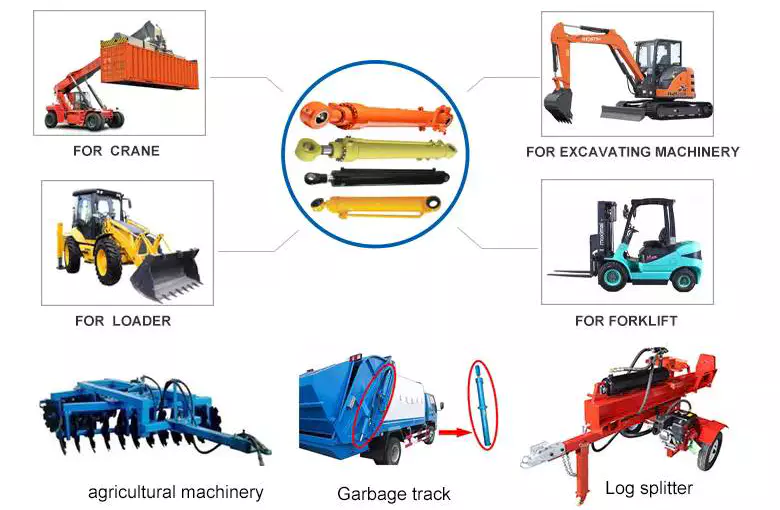
هل هناك أي اتجاهات ناشئة في تكنولوجيا الأسطوانات الهيدروليكية، مثل الميزات الذكية؟
نعم، هناك العديد من الاتجاهات الناشئة في تكنولوجيا الأسطوانات الهيدروليكية، بما في ذلك دمج الميزات الذكية. ومع استمرار الصناعات في تبني التقنيات المتقدمة وسعيها لتحقيق كفاءة أعلى، تُجهّز الأسطوانات الهيدروليكية بقدرات مبتكرة لتحسين أدائها وتوفير مزايا إضافية. فيما يلي بعض الاتجاهات الناشئة في تكنولوجيا الأسطوانات الهيدروليكية:
1. تكامل المستشعر:
يُعد دمج المستشعرات أحد أهم التوجهات في تكنولوجيا الأسطوانات الهيدروليكية. يمكن دمج المستشعرات داخل الأسطوانة الهيدروليكية لمراقبة مختلف المعلمات، مثل الضغط ودرجة الحرارة والموضع والحمل. توفر هذه المستشعرات بيانات آنية، مما يسمح بمراقبة الحالة والصيانة التنبؤية وتحسين التحكم التشغيلي. من خلال جمع البيانات وتحليلها، يمكن للمشغلين تحسين أداء الأنظمة الهيدروليكية، واكتشاف المشاكل المحتملة مسبقًا، ومنع الأعطال، مما يؤدي إلى زيادة الموثوقية وتقليل وقت التوقف.
2. الاتصال وإنترنت الأشياء:
يتم دمج الأسطوانات الهيدروليكية في منظومة إنترنت الأشياء (IoT)، مما يتيح الاتصال وتبادل البيانات. من خلال ربط الأسطوانات الهيدروليكية بالشبكة، يمكن للمشغلين مراقبة أدائها والتحكم فيه عن بُعد. تُسهّل الأسطوانات الهيدروليكية المُدعّمة بإنترنت الأشياء ميزات مثل التشخيص عن بُعد، وتحسين الأداء، والصيانة التنبؤية. يتيح جانب الاتصال تكاملاً أفضل مع أنظمة المعدات العامة، ويُمكّن من اتخاذ قرارات قائمة على البيانات لتحسين الكفاءة والإنتاجية.
3. التصاميم الموفرة للطاقة:
مع تزايد التركيز على الاستدامة وكفاءة الطاقة، تتطور تكنولوجيا الأسطوانات الهيدروليكية لتشمل ميزات توفير الطاقة. ويعمل المصنعون على تطوير أسطوانات هيدروليكية بتقنيات إحكام مُحسّنة، واحتكاك أقل، وديناميكيات تدفق مُحسّنة للسوائل. تُقلل هذه التطورات من خسائر الطاقة وتزيد من كفاءة النظام الإجمالية. كما تُسهم الأسطوانات الهيدروليكية الموفرة للطاقة في تقليل استهلاك الطاقة، وخفض تكاليف التشغيل، وتقليل الأثر البيئي.
4. المواد والطلاءات المتقدمة:
يُعد استخدام المواد والطلاءات المتطورة اتجاهًا ناشئًا آخر في تكنولوجيا الأسطوانات الهيدروليكية. ويستكشف المصنعون مواد خفيفة الوزن، مثل المركبات والسبائك، لتقليل الوزن الإجمالي للأسطوانات الهيدروليكية دون المساس بالقوة والمتانة. علاوة على ذلك، تُطبق الطلاءات المتخصصة ومعالجات الأسطح لتحسين مقاومة التآكل والتآكل وعمر الخدمة. تُعزز هذه التطورات عمر الأسطوانات الهيدروليكية وموثوقيتها، لا سيما في البيئات الصعبة.
5. أنظمة التحكم الذكية:
تتبنى تقنية الأسطوانات الهيدروليكية أنظمة تحكم ذكية تُحسّن الأداء وتُتيح وظائف متقدمة. تستخدم هذه الأنظمة الخوارزميات والتعلم الآلي والذكاء الاصطناعي لأتمتة العمليات، والتكيف مع الظروف المتغيرة، وتحسين حركة الأسطوانات الهيدروليكية. تُمكّن أنظمة التحكم الذكية من ضبط المعلمات آنيًا، مما يضمن تشغيلًا دقيقًا وفعالًا. يُتيح هذا التوجه زيادة الأتمتة، وتحسين الإنتاجية، وتعزيز السلامة في تطبيقات الأنظمة الهيدروليكية.
6. الصيانة التنبؤية:
تكتسب الصيانة التنبؤية أهمية متزايدة في تكنولوجيا الأسطوانات الهيدروليكية. فباستخدام البيانات المُجمعة من أجهزة الاستشعار وأنظمة المراقبة، يُمكن لخوارزميات الصيانة التنبؤية تحليل حالة الأسطوانات الهيدروليكية وأدائها. يُساعد هذا التحليل على تحديد الأعطال أو التلف المُحتمل مُسبقًا، مما يُتيح اتخاذ إجراءات صيانة استباقية. تُقلل الصيانة التنبؤية من فترات التوقف غير المُخطط لها، وتُطيل عمر الأسطوانات الهيدروليكية، وتُحسّن جداول الصيانة، مما يُؤدي إلى توفير التكاليف وتحسين توافر المعدات.
7. ميزات السلامة المحسنة:
تتضمن تقنية الأسطوانات الهيدروليكية ميزات أمان مُحسّنة لتحسين سلامة المُشغّل والمعدات. تشمل هذه الميزات صمامات أمان مُدمجة، وأنظمة مراقبة الأحمال، ووظائف إيقاف الطوارئ. تُساعد أنظمة الأمان في الأسطوانات الهيدروليكية على منع الحوادث، والحماية من الأحمال الزائدة، وضمان تشغيل موثوق. يُسهم دمج ميزات الأمان المُتقدمة في بيئات عمل أكثر أمانًا والامتثال للوائح السلامة الصارمة.
تُظهر هذه الاتجاهات الناشئة في تكنولوجيا الأسطوانات الهيدروليكية تركيز الصناعة على الابتكار وتحسين الأداء والاستدامة. يُمكّن دمج الميزات الذكية، وتقنيات الاتصال، والمواد المتقدمة، وقدرات الصيانة التنبؤية، الأسطوانات الهيدروليكية من العمل بكفاءة أكبر، وتوفير رؤى آنية، وتحسين الأداء العام للنظام. مع استمرار تقدم التكنولوجيا، من المتوقع أن تتطور تكنولوجيا الأسطوانات الهيدروليكية بشكل أكبر، مما يوفر وظائف وكفاءة أكبر لمختلف الصناعات والتطبيقات.
Integration of Hydraulic Cylinders with Equipment Requiring Rapid and Dynamic Movements
Hydraulic cylinders can indeed be integrated with equipment that requires rapid and dynamic movements. While hydraulic systems are generally known for their ability to provide high force and precise control, they can also be designed and optimized for applications that demand fast and dynamic motion. Let’s explore how hydraulic cylinders can be integrated with such equipment:
- High-Speed Hydraulic Systems: Hydraulic cylinders can be part of high-speed hydraulic systems designed specifically for rapid and dynamic movements. These systems incorporate features such as high-flow valves, optimized hydraulic circuitry, and responsive control systems. By carefully engineering the system components and hydraulic parameters, it is possible to achieve the desired speed and responsiveness, enabling the equipment to perform rapid movements.
- Valve Control: The control of hydraulic cylinders plays a crucial role in achieving rapid and dynamic movements. Proportional or servo valves can be used to precisely control the flow of hydraulic fluid into and out of the cylinder. These valves offer fast response times and precise flow control, allowing for rapid acceleration and deceleration of the cylinder’s piston. By adjusting the valve settings and optimizing the control algorithms, equipment can be designed to execute dynamic movements with high speed and accuracy.
- Optimized Cylinder Design: The design of hydraulic cylinders can be optimized to facilitate rapid and dynamic movements. Lightweight materials, such as aluminum alloys or composite materials, can be used to reduce the moving mass of the cylinder, enabling faster acceleration and deceleration. Additionally, the cylinder’s internal components, such as the piston and seals, can be designed for low friction to minimize energy losses and enhance responsiveness. These design optimizations contribute to the overall speed and dynamic performance of the equipment.
- Accumulator Integration: Hydraulic accumulators can be integrated into the system to enhance the dynamic capabilities of hydraulic cylinders. Accumulators store pressurized hydraulic fluid, which can be rapidly released to supplement the flow from the pump during high-demand situations. This stored energy can provide an extra boost of power, allowing for faster and more dynamic movements. By strategically sizing and configuring the accumulator, the system can be optimized for the specific rapid and dynamic requirements of the equipment.
- System Feedback and Control: To achieve precise and dynamic movements, hydraulic systems can incorporate feedback sensors and advanced control algorithms. Position sensors, such as linear potentiometers or magnetostrictive sensors, provide real-time position feedback of the hydraulic cylinder. This information can be used in closed-loop control systems to maintain precise positioning and execute rapid movements. Advanced control algorithms can optimize the control signals sent to the valves, ensuring smooth and dynamic motion while minimizing overshooting or oscillations.
In summary, hydraulic cylinders can be integrated with equipment that requires rapid and dynamic movements by utilizing high-speed hydraulic systems, employing responsive valve control, optimizing cylinder design, integrating accumulators, and incorporating feedback sensors and advanced control algorithms. These measures enable hydraulic systems to deliver the speed, responsiveness, and precision necessary for equipment operating in dynamic environments. By leveraging the capabilities of hydraulic cylinders, manufacturers can design and integrate systems that meet the requirements of applications demanding rapid and dynamic movements.
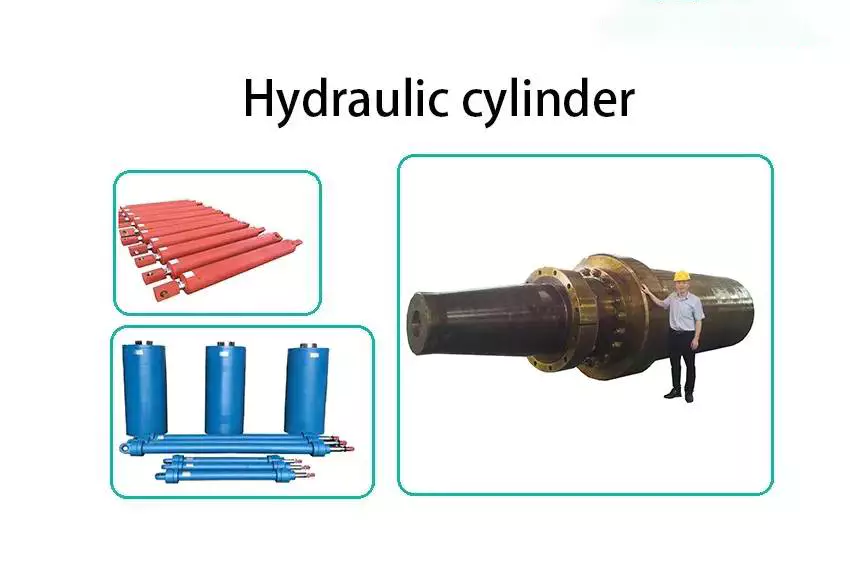
Can you explain the role and significance of hydraulic cylinders in machinery?
Hydraulic cylinders play a crucial role in machinery across various industries. They are essential components that provide controlled and powerful linear motion, enabling the operation of heavy equipment and facilitating numerous tasks. The role and significance of hydraulic cylinders in machinery can be explained in detail as follows:
Role of Hydraulic Cylinders:
– Conversion of Hydraulic Energy: Hydraulic cylinders convert hydraulic energy, typically in the form of pressurized hydraulic fluid, into linear force and motion. This conversion allows machinery to perform tasks such as lifting, pushing, pulling, clamping, tilting, and controlling various mechanisms.
– Generation of Linear Motion: Hydraulic cylinders generate linear motion by utilizing the principles of Pascal’s law. When hydraulic fluid is directed into one side of the cylinder, it applies pressure on the piston, resulting in linear movement of the piston and the attached piston rod. This linear motion can be used to actuate other components within the machinery or directly perform the required task.
– Force Generation: Hydraulic cylinders are capable of generating high forces due to the hydraulic pressure applied to the piston. The force output of a hydraulic cylinder depends on the surface area of the piston and the pressure of the hydraulic fluid. This force allows machinery to exert significant power for lifting heavy loads, applying pressure, or overcoming resistance.
– Precise Control: Hydraulic cylinders offer precise control over the linear motion and force exerted. By regulating the flow of hydraulic fluid, the speed and direction of the cylinder’s movement can be accurately adjusted. This level of control is crucial in machinery that requires precise positioning, delicate movements, or synchronization of multiple cylinders.
– Integration with Hydraulic Systems: Hydraulic cylinders are integral parts of hydraulic systems used in machinery. They work in conjunction with hydraulic pumps, valves, and actuators to create a complete hydraulic circuit. This integration allows for efficient power transmission, control, and coordination of various machine functions.
Significance of Hydraulic Cylinders:
– Heavy Equipment Operation: Hydraulic cylinders are vital in heavy machinery used in construction, mining, agriculture, material handling, and other industries. They enable the lifting and movement of heavy loads, the operation of attachments, and the performance of tasks that require high force and precision.
– Versatility and Adaptability: Hydraulic cylinders are versatile components that can be designed and tailored to meet specific machinery requirements. They can be integrated into various types of equipment and customized based on factors such as force capacity, stroke length, speed, and mounting options. This adaptability makes hydraulic cylinders suitable for diverse applications.
– Durability and Reliability: Hydraulic cylinders are built to withstand rigorous operating conditions, including high pressures, heavy loads, and continuous use. They are designed with robust materials, precise machining, and effective sealing systems to ensure durability and reliability over extended periods of operation.
– Safety and Load Control: Hydraulic cylinders provide safe and controlled operation in machinery. They offer overload protection mechanisms, such as relief valves, to prevent damage caused by excessive force or pressure. Additionally, hydraulic cylinders allow for precise load control, minimizing the risk of accidents during lifting, lowering, or positioning of heavy loads.
– Compact Design: Hydraulic cylinders offer a high power-to-size ratio, allowing for compact machinery design. Their relatively small size compared to the forces they can generate makes them suitable for applications where space is limited or weight restrictions apply.
– Energy Efficiency: Hydraulic cylinders contribute to energy efficiency in machinery. The use of hydraulic systems allows for the transfer of power over long distances without significant power losses. Additionally, hydraulic cylinders can incorporate energy-saving features such as load-sensing technology and regenerative circuits, reducing energy consumption.
Overall, hydraulic cylinders play a vital role in machinery by providing controlled and powerful linear motion. Their significance lies in their ability to convert hydraulic energy, generate high forces, offer precise control, integrate with hydraulic systems, and facilitate the operation of heavy equipment across various industries. Hydraulic cylinders contribute to increased productivity, safety, and efficiency in machinery applications, making them indispensable components in modern-day engineering.


editor by CX 2023-10-26