Product Description
Product Description
100 ton hydraulic press cylinder
The color and flange can be customized!
Hydraulic cylinder is powered by ZB series of high pressure electric oil pumps, the function is for oil pressure rebound, and overflow, it is designed as a safe protect pressurizer, and it can protect emergent over pressure, especially construction can protect the cylinder.
Hydraulic cylinder can bear partial loading is 5% of rated pressure. High pressure alloy cylinder is very durable, especially in larger projects, it is easy to be operated and controlled. It has large output, lightweight, remote control, and other advantages, it can match with our high pressure oil pump, it can reach jack, push, pull and extrusion and kinds of work.
معلمات المنتج
| Model | Tonnage T |
سكتة دماغية B-A mm |
Cloase height A mm |
Extend height B mm |
Outer diameter of oil cylinder mm |
Dimension of plunger mm |
Dimension of oil pump mm |
Weight kg |
Pressure | Recommend electric oil pump |
| STQ50-100 | 50 | 100 | 225 | 325 | 127 | 70 | 100 | 35 | 63MPA | 50T-200T 0.55KW 0.75KW 1.5KW 3KW 4KW 5.5KW |
| STQ50-160 | 160 | 285 | 445 | 39 | ||||||
| STQ50-200 | 200 | 325 | 525 | 46 | ||||||
| STQ50-300 | 300 | 425 | 725 | 48 | ||||||
| STQ50-500 | 500 | 625 | 1125 | 63 | ||||||
| STQ100-100 | 100 | 100 | 250 | 350 | 180 | 100 | 140 | 58 | 63MPA | |
| STQ100-160 | 160 | 310 | 470 | 63 | ||||||
| STQ100-200 | 200 | 350 | 550 | 78 | ||||||
| STQ100-300 | 300 | 450 | 750 | 96 | ||||||
| STQ100-500 | 500 | 650 | 1150 | 130 | ||||||
| STQ150-100 | 150 | 100 | 260 | 360 | 219 | 125 | 180 | 58 | 63MPA | |
| STQ150-160 | 160 | 320 | 480 | 69 | ||||||
| STQ150-200 | 200 | 360 | 560 | 86 | ||||||
| STQ150-300 | 300 | 460 | 760 | 103 | ||||||
| STQ150-500 | 500 | 660 | 1160 | 255 | ||||||
| STQ200-100 | 200 | 100 | 285 | 385 | 240 | 150 | 200 | 96 | 63MPA | |
| STQ200-160 | 160 | 345 | 505 | 103 | ||||||
| STQ200-200 | 200 | 385 | 585 | 116 | ||||||
| STQ200-300 | 300 | 485 | 785 | 161 | ||||||
| STQ200-500 | 500 | 685 | 1185 | 221 | ||||||
| STQ320-100 | 320 | 100 | 310 | 410 | 330 | 180 | 250 | 196 | 63MPA | 1.5KW 3KW 4KW 5.5KW |
| STQ320-160 | 160 | 370 | 530 | 240 | ||||||
| STQ320-200 | 200 | 410 | 610 | 258 | ||||||
| STQ320-300 | 300 | 510 | 810 | 311 | ||||||
| STQ320-500 | 500 | 710 | 1210 | 456 | ||||||
| STQ400-100 | 400 | 100 | 355 | 455 | 380 | 200 | 290 | 198 | 63MPA | 3KW 4KW 5.5KW 7.5KW |
| STQ400-160 | 160 | 415 | 575 | 231 | ||||||
| STQ400-200 | 200 | 460 | 660 | 264 | ||||||
| STQ400-300 | 300 | 555 | 855 | 367 | ||||||
| STQ400-500 | 500 | 755 | 1255 | 456 | ||||||
| STQ500-100 | 500 | 100 | 360 | 460 | 430 | 200 | 320 | 323 | 63MPA | 3KW 4KW 5.5KW 7.5KW |
| STQ500-160 | 160 | 420 | 580 | 330 | ||||||
| STQ500-200 | 200 | 460 | 660 | 420 | ||||||
| STQ500-300 | 300 | 560 | 860 | 581 | ||||||
| STQ500-500 | 500 | 760 | 1260 | 599 | ||||||
| STQ630-100 | 630 | 100 | 417 | 517 | 500 | 250 | 360 | 560 | 63MPA | 4KW 5.5KW 7.5KW 11KW |
| STQ630-160 | 160 | 477 | 637 | 633 | ||||||
| STQ630-200 | 200 | 517 | 717 | 696 | ||||||
| STQ630-300 | 300 | 617 | 917 | 898 | ||||||
| STQ630-500 | 500 | 817 | 1317 | 1250 | ||||||
| STQ800-100 | 800 | 100 | 488 | 588 | 560 | 300 | 400 | 896 | 63MPA | 7.5KW 11KW |
| STQ800-200 | 200 | 598 | 798 | 1040 | ||||||
| STQ800-300 | 300 | 698 | 998 | 1380 | ||||||
| STQ800-500 | 500 | 898 | 1398 | 1520 | ||||||
| STQ1000-100 | 1000 | 100 | 530 | 630 | 600 | 320 | 450 | 1286 | 63MPA | 7.5KW 11KW |
| STQ1000-200 | 200 | 630 | 830 | 1332 | ||||||
| STQ1000-300 | 300 | 760 | 1060 | 1663 |
If the model you need is not in the form, please contact us. We can customize it according to your project!
Product Application
Our hydraulic cylinders have been widely used in industrial fields, such as steel plants, the cement industry, chemical and refinery, bridges, railways, highways, hydropower stations, ship repair, building, construction, and maintenance.
Company Profile
HangZhou Lead Equipment Co., Ltd. Has been in hydraulic tools industry since 2009.
Our main products are as follows:
Single acting hydraulic jack/cylinder/ram (10-100 tons)
Single acting hollow hydraulic jack/cylinder/ram (12-100 tons)
Double acting hydraulic jack/cylinder/ram (50-2000 tons)
Double acting hollow hydraulic jack/cylinder/ram (50-2000 tons)
Single acting hydraulic jack/cylinder/ram with lock nut (55-200 tons)
Thin type single acting hydraulic jack/cylinder/ram (10-200 tons)
Ultrathin hydraulic jack/cylinder/ram (10-200 tons)
Flange type hydraulic jack/cylinder/ram (10-630 tons)
Synchronous hydraulic jack (10-1000 tons)
Hydraulic accessories: high pressure oil hose, couplers, seal kits, manifolds, etc.
All the tonnage, stroke, and height can be customized according to client’s requirements, supplying the best quality and service. Our warranty is 2 years.
| Certification: | CE, SGS |
|---|---|
| Pressure: | 63MPa |
| Work Temperature: | Normal Temperature |
| Acting Way: | Double Acting |
| Working Method: | – |
| Adjusted Form: | – |
| Samples: |
US$ 3000/Piece
1 Piece(Min.Order) | |
|---|
| Customization: |
Available
|
|
|---|
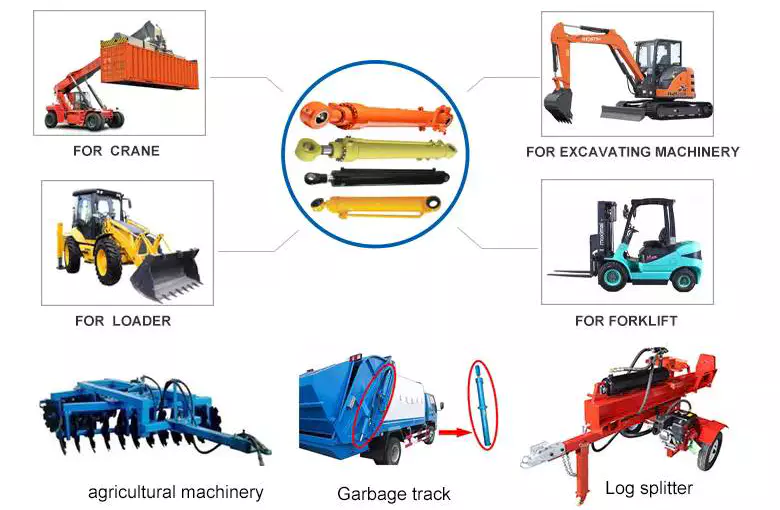
هل هناك أي اتجاهات ناشئة في تكنولوجيا الأسطوانات الهيدروليكية، مثل الميزات الذكية؟
نعم، هناك العديد من الاتجاهات الناشئة في تكنولوجيا الأسطوانات الهيدروليكية، بما في ذلك دمج الميزات الذكية. ومع استمرار الصناعات في تبني التقنيات المتقدمة وسعيها لتحقيق كفاءة أعلى، تُجهّز الأسطوانات الهيدروليكية بقدرات مبتكرة لتحسين أدائها وتوفير مزايا إضافية. فيما يلي بعض الاتجاهات الناشئة في تكنولوجيا الأسطوانات الهيدروليكية:
1. تكامل المستشعر:
يُعد دمج المستشعرات أحد أهم التوجهات في تكنولوجيا الأسطوانات الهيدروليكية. يمكن دمج المستشعرات داخل الأسطوانة الهيدروليكية لمراقبة مختلف المعلمات، مثل الضغط ودرجة الحرارة والموضع والحمل. توفر هذه المستشعرات بيانات آنية، مما يسمح بمراقبة الحالة والصيانة التنبؤية وتحسين التحكم التشغيلي. من خلال جمع البيانات وتحليلها، يمكن للمشغلين تحسين أداء الأنظمة الهيدروليكية، واكتشاف المشاكل المحتملة مسبقًا، ومنع الأعطال، مما يؤدي إلى زيادة الموثوقية وتقليل وقت التوقف.
2. الاتصال وإنترنت الأشياء:
يتم دمج الأسطوانات الهيدروليكية في منظومة إنترنت الأشياء (IoT)، مما يتيح الاتصال وتبادل البيانات. من خلال ربط الأسطوانات الهيدروليكية بالشبكة، يمكن للمشغلين مراقبة أدائها والتحكم فيه عن بُعد. تُسهّل الأسطوانات الهيدروليكية المُدعّمة بإنترنت الأشياء ميزات مثل التشخيص عن بُعد، وتحسين الأداء، والصيانة التنبؤية. يتيح جانب الاتصال تكاملاً أفضل مع أنظمة المعدات العامة، ويُمكّن من اتخاذ قرارات قائمة على البيانات لتحسين الكفاءة والإنتاجية.
3. التصاميم الموفرة للطاقة:
مع تزايد التركيز على الاستدامة وكفاءة الطاقة، تتطور تكنولوجيا الأسطوانات الهيدروليكية لتشمل ميزات توفير الطاقة. ويعمل المصنعون على تطوير أسطوانات هيدروليكية بتقنيات إحكام مُحسّنة، واحتكاك أقل، وديناميكيات تدفق مُحسّنة للسوائل. تُقلل هذه التطورات من خسائر الطاقة وتزيد من كفاءة النظام الإجمالية. كما تُسهم الأسطوانات الهيدروليكية الموفرة للطاقة في تقليل استهلاك الطاقة، وخفض تكاليف التشغيل، وتقليل الأثر البيئي.
4. المواد والطلاءات المتقدمة:
يُعد استخدام المواد والطلاءات المتطورة اتجاهًا ناشئًا آخر في تكنولوجيا الأسطوانات الهيدروليكية. ويستكشف المصنعون مواد خفيفة الوزن، مثل المركبات والسبائك، لتقليل الوزن الإجمالي للأسطوانات الهيدروليكية دون المساس بالقوة والمتانة. علاوة على ذلك، تُطبق الطلاءات المتخصصة ومعالجات الأسطح لتحسين مقاومة التآكل والتآكل وعمر الخدمة. تُعزز هذه التطورات عمر الأسطوانات الهيدروليكية وموثوقيتها، لا سيما في البيئات الصعبة.
5. أنظمة التحكم الذكية:
تتبنى تقنية الأسطوانات الهيدروليكية أنظمة تحكم ذكية تُحسّن الأداء وتُتيح وظائف متقدمة. تستخدم هذه الأنظمة الخوارزميات والتعلم الآلي والذكاء الاصطناعي لأتمتة العمليات، والتكيف مع الظروف المتغيرة، وتحسين حركة الأسطوانات الهيدروليكية. تُمكّن أنظمة التحكم الذكية من ضبط المعلمات آنيًا، مما يضمن تشغيلًا دقيقًا وفعالًا. يُتيح هذا التوجه زيادة الأتمتة، وتحسين الإنتاجية، وتعزيز السلامة في تطبيقات الأنظمة الهيدروليكية.
6. الصيانة التنبؤية:
تكتسب الصيانة التنبؤية أهمية متزايدة في تكنولوجيا الأسطوانات الهيدروليكية. فباستخدام البيانات المُجمعة من أجهزة الاستشعار وأنظمة المراقبة، يُمكن لخوارزميات الصيانة التنبؤية تحليل حالة الأسطوانات الهيدروليكية وأدائها. يُساعد هذا التحليل على تحديد الأعطال أو التلف المُحتمل مُسبقًا، مما يُتيح اتخاذ إجراءات صيانة استباقية. تُقلل الصيانة التنبؤية من فترات التوقف غير المُخطط لها، وتُطيل عمر الأسطوانات الهيدروليكية، وتُحسّن جداول الصيانة، مما يُؤدي إلى توفير التكاليف وتحسين توافر المعدات.
7. ميزات السلامة المحسنة:
تتضمن تقنية الأسطوانات الهيدروليكية ميزات أمان مُحسّنة لتحسين سلامة المُشغّل والمعدات. تشمل هذه الميزات صمامات أمان مُدمجة، وأنظمة مراقبة الأحمال، ووظائف إيقاف الطوارئ. تُساعد أنظمة الأمان في الأسطوانات الهيدروليكية على منع الحوادث، والحماية من الأحمال الزائدة، وضمان تشغيل موثوق. يُسهم دمج ميزات الأمان المُتقدمة في بيئات عمل أكثر أمانًا والامتثال للوائح السلامة الصارمة.
تُظهر هذه الاتجاهات الناشئة في تكنولوجيا الأسطوانات الهيدروليكية تركيز الصناعة على الابتكار وتحسين الأداء والاستدامة. يُمكّن دمج الميزات الذكية، وتقنيات الاتصال، والمواد المتقدمة، وقدرات الصيانة التنبؤية، الأسطوانات الهيدروليكية من العمل بكفاءة أكبر، وتوفير رؤى آنية، وتحسين الأداء العام للنظام. مع استمرار تقدم التكنولوجيا، من المتوقع أن تتطور تكنولوجيا الأسطوانات الهيدروليكية بشكل أكبر، مما يوفر وظائف وكفاءة أكبر لمختلف الصناعات والتطبيقات.
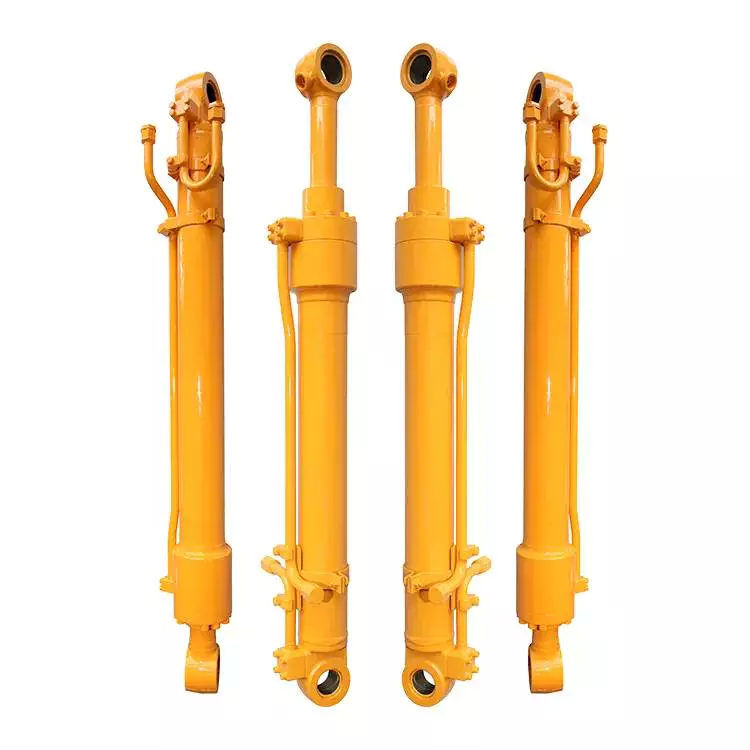
Utilizing Hydraulic Cylinders in Conjunction with Alternative Energy Sources
Hydraulic cylinders can indeed be used in conjunction with alternative energy sources. The versatile nature of hydraulic systems allows them to be integrated with various alternative energy technologies to enhance efficiency, control, and power generation. Let’s explore some examples of how hydraulic cylinders can be utilized alongside alternative energy sources:
- Hydraulic Energy Storage: Hydraulic cylinders can be employed in energy storage systems that utilize alternative energy sources such as renewable sources (e.g., solar or wind) or waste energy recovery. These systems convert excess energy into hydraulic potential energy by pumping fluid into a high-pressure accumulator. When the energy is needed, the pressurized fluid is released, driving the hydraulic cylinder and generating mechanical power.
- Wave and Tidal Energy Conversion: Hydraulic cylinders can be utilized in wave and tidal energy conversion systems. These systems harness the power of ocean waves or tidal currents and convert it into usable energy. Hydraulic cylinders, along with associated pumps and valves, can be used to capture and control the energy from the waves or tides, driving the cylinders and generating mechanical power or producing electricity.
- Hydroelectric Power Generation: Hydraulic cylinders play a crucial role in traditional hydroelectric power generation. However, alternative approaches such as small-scale or micro-hydropower systems can also benefit from hydraulic cylinders. These systems utilize natural or man-made water flows to drive turbines connected to hydraulic cylinders, which then convert the hydraulic energy into mechanical power or electricity.
- Hydraulic Actuation in Wind Turbines: Hydraulic cylinders can be employed in wind turbines to enhance performance and control. For example, hydraulic pitch control systems use hydraulic cylinders to adjust the pitch angle of wind turbine blades, optimizing their aerodynamic performance based on wind conditions. This allows for efficient power generation and protection against excessive wind loads.
- Geothermal Energy Extraction: Geothermal energy extraction involves utilizing the natural heat from the Earth’s interior to generate power. Hydraulic cylinders can be utilized in geothermal systems to control and regulate fluid flow, allowing for efficient extraction and utilization of geothermal energy. They can also be used in geothermal heat pumps for heating and cooling applications.
In summary, hydraulic cylinders can be effectively utilized in conjunction with alternative energy sources to enhance energy storage, power generation, and control. Whether it’s through hydraulic energy storage systems, wave and tidal energy conversion, hydroelectric power generation, hydraulic actuation in wind turbines, or geothermal energy extraction, hydraulic cylinders offer versatile and efficient solutions for harnessing and utilizing alternative energy sources.
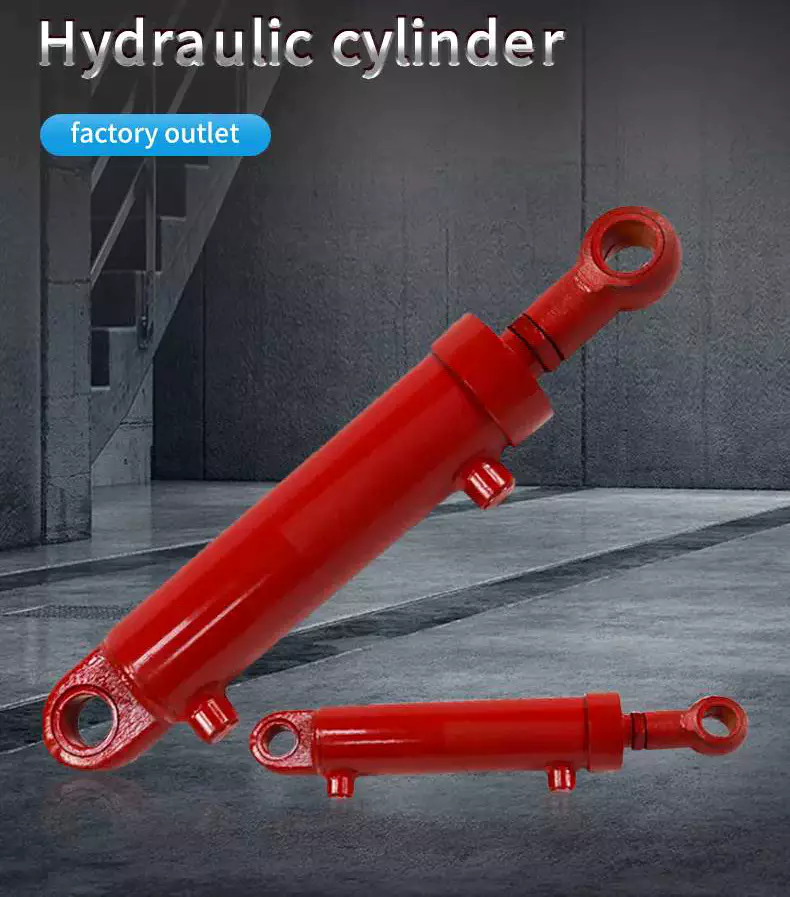
What is a hydraulic cylinder and how does it function in various applications?
A hydraulic cylinder is a mechanical actuator that converts hydraulic energy into linear force and motion. It plays a critical role in various applications where controlled and powerful linear motion is required. Hydraulic cylinders are commonly used in industries such as construction, manufacturing, agriculture, and transportation. Here’s a detailed explanation of what a hydraulic cylinder is and how it functions:
Definition and Components:
– A hydraulic cylinder consists of a cylindrical barrel, a piston, a piston rod, and various seals. The barrel is a hollow tube that houses the piston and allows for fluid flow. The piston divides the cylinder into two chambers: the rod side and the cap side. The piston rod extends from the piston and provides a connection point for external loads. Seals are used to prevent fluid leakage and maintain hydraulic pressure within the cylinder.
Function:
– The function of a hydraulic cylinder is to convert the pressure and flow of hydraulic fluid into linear force and motion. The hydraulic fluid, typically oil, is pressurized and directed into one of the chambers of the cylinder. As the fluid enters the chamber, it applies pressure on the piston, causing it to move in a linear direction. This linear motion of the piston is transferred to the piston rod, creating a pushing or pulling force.
Working Principle:
– The working principle of a hydraulic cylinder is based on Pascal’s law, which states that pressure exerted on a fluid in a confined space is transmitted equally in all directions. In a hydraulic cylinder, when hydraulic fluid is pumped into one side of the cylinder, it creates pressure on the piston. The pressure is transmitted through the fluid to the other side of the piston, resulting in a balanced force across the piston and piston rod. This force generates linear motion in the direction determined by the fluid input.
Applications:
– Hydraulic cylinders find extensive use in a wide range of applications due to their ability to generate high forces and precise control of linear motion. Some common applications include:
1. Construction Equipment: Hydraulic cylinders are used in excavators, loaders, bulldozers, and cranes for lifting, pushing, and digging tasks.
2. Manufacturing Machinery: Hydraulic cylinders are employed in presses, machine tools, and material handling equipment for pressing, clamping, and lifting operations.
3. Agricultural Machinery: Hydraulic cylinders are used in tractors, harvesters, and irrigation systems for tasks like steering, lifting, and controlling attachments.
4. Transportation: Hydraulic cylinders are utilized in vehicles such as dump trucks, garbage trucks, and forklifts for tilting, lifting, and tipping operations.
5. Aerospace and Defense: Hydraulic cylinders are employed in aircraft landing gear, missile systems, and hydraulic actuators for control surfaces.
6. Marine and Offshore: Hydraulic cylinders are used in ship steering systems, cranes, and offshore drilling equipment for various lifting and positioning tasks.
In these applications, hydraulic cylinders offer advantages such as high force capability, precise control, compact size, and durability. They provide efficient and reliable linear motion, contributing to enhanced productivity and functionality in a wide range of industries.
Overall, hydraulic cylinders are integral components in various applications where controlled and powerful linear motion is required. Their ability to convert hydraulic energy into mechanical force makes them invaluable in numerous industries, enabling the operation of heavy machinery, precise positioning, and efficient load handling.


editor by CX 2023-10-31