Product Description
Feature:
Product Advantage:
1. Safer
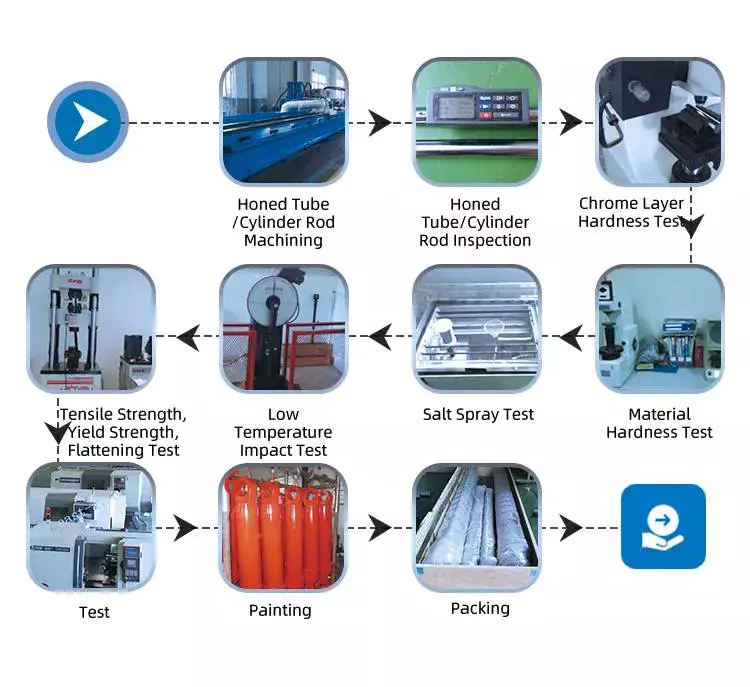
Junfu hydraulic cylinder adopts excellent structural design and new material application, which can withstand the harshest working conditions and continue to work stably without disconnection, ensuring the safety of drivers and vehicles, and creating the most valuable safety for users.
2. faster unloading
Junfu series oil cylinder adopts excellent structural design to improve the unloading speed of the oil cylinder!
3.higher lift frequency
junfu series oil cylinders are suitable for all-weather short barge and high-frequency operations, with stable performance, extremely low failure rate, increasing the number of transfers and reducing downtime!
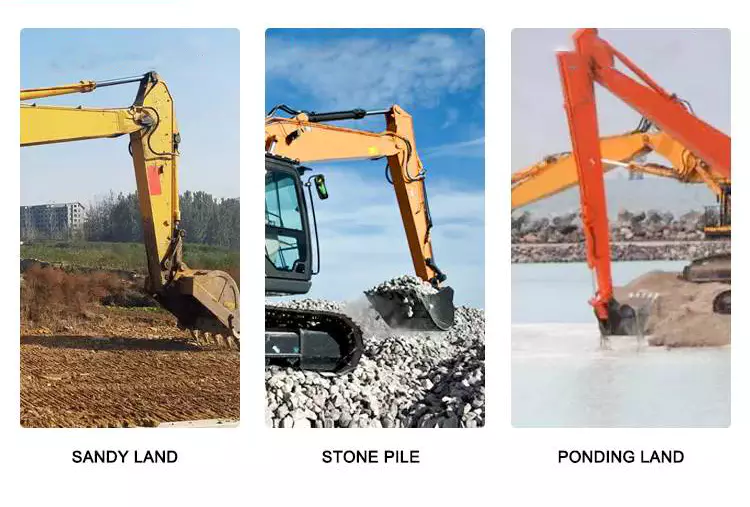
4. Greater adaptability to the environment
junfu series oil cylinder adopts innovative sealing technology and new material application, which can adapt to the temperature range of -40~110ºC, and can achieve excellent performance in high temperature and low temperature environment operation!
5. lighter
Compared with other products of the same series, CHINAMFG series cylinders reduce the dead weight by 15%~20%, and increase the lifting force by 10%~15%!
6. Greater lifting force
Compared with other products of the same series, the lifting force of CHINAMFG series cylinders is increased by 10%~15%. More lift, more load, more profit! Lighter dead weight, greater lifting force, more lightness!
Technical Drawing for reference
Enterprise certificate
خدمتنا
التعليمات:
Q1: How about the quality?
Our cylinders can replace HYVA cylinder well, with same technical details and mounting sizes
Q2: What’s your cylinder’s advantages ?
The cylinders are manufactured by advanced equipments and made under strictly quality control processing.
The steel is tempered and all raw materials are good quality from world famous companies.
Competitive price!
Q3: When your company be established ?
Our company be established in 2002, professional manufacturer of hydraulic cylinders more than 20 years.
We had passed IATF 16949:2016 Quality control system, ISO9001, CE.
Q4: How about the delivery time ?
It depends the specs and quantity you buy, 1 month is no problem normally
Q5: How about the cylinder’s quality gurantee ?
One year.
| Certification: | GS, CE, ISO9001, IATF 16949:2016, SGS |
|---|---|
| Pressure: | High Pressure |
| Work Temperature: | Normal Temperature |
| Acting Way: | Single Acting |
| Working Method: | Straight Trip |
| Adjusted Form: | Switching Type |
| Samples: |
US$ 690/Piece
1 Piece(Min.Order) | |
|---|
| Customization: |
Available
|
|
|---|
How do hydraulic cylinders handle variations in temperature and harsh operating environments?
Hydraulic cylinders are designed to handle variations in temperature and harsh operating environments by incorporating specific features and materials that ensure their durability, reliability, and performance. The ability of hydraulic cylinders to withstand extreme temperatures, corrosive environments, and other harsh conditions is crucial for their successful operation in a wide range of applications. Here’s a detailed explanation of how hydraulic cylinders handle variations in temperature and harsh operating environments:
1. Temperature Range:
– Hydraulic cylinders are designed to operate within a specified temperature range. The materials used in their construction, such as cylinder barrels, pistons, seals, and lubricants, are selected to withstand the anticipated temperature variations. Specialized seals and O-rings made from materials like nitrile, Viton, or polyurethane are used to maintain their sealing properties over a wide temperature range. Heat-resistant coatings or thermal insulation may be applied to certain components to protect them from high temperatures.
2. Thermal Expansion:
– Hydraulic cylinders are designed to accommodate thermal expansion and contraction that occurs with temperature changes. The materials used in their construction have different coefficients of thermal expansion, allowing the cylinder components to expand or contract at a similar rate. This design consideration prevents excessive stress, binding, or leakage that could result from thermal expansion or contraction.
3. Heat Dissipation:
– In applications where hydraulic cylinders are subjected to high temperatures, heat dissipation mechanisms are employed to prevent overheating. Cooling fins or heat sinks may be incorporated into the cylinder design to increase the surface area for heat transfer. In some cases, external cooling methods such as air or liquid cooling systems can be used to maintain optimal operating temperatures.
4. Corrosion Resistance:
– Hydraulic cylinders used in harsh operating environments are constructed from materials that exhibit excellent corrosion resistance. Stainless steel, chrome-plated steel, or other corrosion-resistant alloys are commonly used for cylinder components exposed to corrosive substances or environments. Additionally, surface treatments such as coatings, plating, or specialized paints can provide an extra layer of protection against corrosion.
5. Sealing Systems:
– Hydraulic cylinders employ sealing systems that are specifically designed to withstand harsh operating environments. The seals used in hydraulic cylinders are selected based on their resistance to temperature extremes, chemicals, abrasion, and other environmental factors. Specialized seal designs, such as wiper seals, rod seals, or high-temperature seals, are utilized to maintain effective sealing and prevent contamination of the hydraulic fluid.
6. Lubrication:
– Proper lubrication is essential for the smooth operation and longevity of hydraulic cylinders, particularly in harsh operating environments. Lubricants are selected based on their ability to withstand high temperatures, resist oxidation, and provide effective lubrication under extreme conditions. Regular maintenance and lubrication practices ensure that the cylinder components continue to operate smoothly and reduce the effects of wear and friction.
7. Robust Construction:
– Hydraulic cylinders designed for harsh operating environments are built with robust construction techniques to withstand the rigors of such conditions. The cylinder barrels, rods, and other components are manufactured to meet strict quality and durability standards. Welded or bolted construction methods are employed to ensure the structural integrity of the cylinders. Reinforcements, such as flanges or tie rods, may be added to enhance the cylinder’s strength and resistance to external forces.
8. Environmental Protection:
– Hydraulic cylinders can be equipped with additional protective features to shield them from harsh operating environments. Protective covers, boots, or bellows can be used to prevent contaminants, debris, or moisture from entering the cylinder and compromising its performance. These protective measures help extend the service life of hydraulic cylinders in demanding conditions.
9. Compliance with Standards:
– Hydraulic cylinders manufactured for specific industries or applications often comply with industry standards or regulations related to operating temperature ranges, environmental conditions, or safety requirements. Compliance with these standards ensures that hydraulic cylinders are designed and tested to meet the specific demands of their intended operating environments.
In summary, hydraulic cylinders are designed to handle variations in temperature and harsh operating environments by incorporating suitable materials, thermal expansion considerations, heat dissipation mechanisms, corrosion-resistant components, specialized sealing systems, proper lubrication, robust construction techniques, protective features, and compliance with industry standards. These design considerations and features enable hydraulic cylinders to operate reliably and effectively in a wide range of demanding applications and environmental conditions.
Contribution of Hydraulic Cylinders to the Precision of Robotic and Automation Systems
Hydraulic cylinders play a significant role in enhancing the precision of robotic and automation systems. These systems rely on precise and controlled movements to perform various tasks with accuracy and repeatability. Let’s explore how hydraulic cylinders contribute to the precision of robotic and automation systems:
- Precise Positioning: Hydraulic cylinders enable precise positioning of robotic arms or automation components. They provide accurate control over the linear motion required for tasks such as picking, placing, and assembly. By precisely controlling the extension and retraction of the hydraulic cylinder, the system can achieve the desired position with high accuracy, ensuring precise alignment and consistent results.
- Controlled Motion: Hydraulic cylinders offer controlled and smooth motion, which is crucial for precise operation in robotic and automation systems. The flow of hydraulic fluid can be precisely regulated to control the speed and acceleration of the cylinder’s movement. This precise control allows for gentle and controlled movements, minimizing vibrations, overshooting, or jerky motions that could affect the accuracy of the system.
- Force Control: Hydraulic cylinders provide force control capabilities that contribute to precision in robotic and automation systems. By adjusting the hydraulic pressure, the force exerted by the cylinder can be precisely controlled. This is particularly valuable in applications that require delicate force-sensitive tasks, such as gripping fragile objects or performing precise force feedback during assembly or testing processes.
- Load Handling: Hydraulic cylinders are capable of handling heavy loads, allowing robotic and automation systems to manipulate and transport objects with precision. The high force capabilities of hydraulic cylinders ensure secure and stable handling of loads, minimizing the risk of slippage or imprecise positioning. This is crucial in applications where precise control over heavy objects is required, such as material handling or industrial assembly processes.
- Durability and Reliability: Hydraulic cylinders are known for their durability and reliability in demanding industrial environments. The ability to withstand repeated use, high loads, and harsh conditions ensures consistent performance over time. This reliability contributes to the precision of robotic and automation systems, as any deviation or failure in the cylinder’s movement could lead to inaccuracies or disruptions in the system’s operation.
In summary, hydraulic cylinders make significant contributions to the precision of robotic and automation systems by enabling precise positioning, controlled motion, force control, load handling, and offering durability and reliability. These capabilities ensure accurate and repeatable movements, minimize errors, and enhance the overall precision of the system. By incorporating hydraulic cylinders into robotic and automation systems, manufacturers can achieve higher levels of precision, efficiency, and productivity in various industrial applications.
كيف تتعامل الأسطوانات الهيدروليكية مع التغيرات في الحمل والضغط أثناء التشغيل؟
صُممت الأسطوانات الهيدروليكية للتعامل مع تغيرات الحمل والضغط أثناء التشغيل، مما يجعلها متعددة الاستخدامات وفعالة في تطبيقات متنوعة. تعتمد الأنظمة الهيدروليكية على مبدأ نقل القوة عبر سائل غير قابل للانضغاط لتوليد حركة خطية. فيما يلي شرح مفصل لكيفية تعامل الأسطوانات الهيدروليكية مع تغيرات الحمل والضغط:
1. التعامل مع الأحمال:
تتميز الأسطوانات الهيدروليكية بقدرتها على تحمل أحمال مختلفة بالاستفادة من مبدأ قانون باسكال. ووفقًا لهذا القانون، عند تطبيق ضغط على سائل في مكان محصور، ينتقل الضغط بالتساوي في جميع الاتجاهات. في الأسطوانة الهيدروليكية، تُنتج القوة المطبقة على المكبس قوةً متساويةً عند طرف قضيب الأسطوانة. ويحدد حجم المكبس والضغط المطبق القوة المولدة من الأسطوانة. لذلك، تستطيع الأسطوانات الهيدروليكية تحمل نطاق واسع من الأحمال عن طريق ضبط الضغط المطبق على السائل.
2. تعويض الضغط:
تتضمن الأنظمة الهيدروليكية آليات تعويض الضغط للتعامل مع تغيرات الضغط أثناء التشغيل. تُستخدم صمامات أو منظمات تعويض الضغط غالبًا للحفاظ على ضغط ثابت في النظام الهيدروليكي، بغض النظر عن تغيرات الحمل. تضبط هذه الصمامات معدل التدفق أو الضغط تلقائيًا لضمان تشغيل مستقر ومنضبط للأسطوانة الهيدروليكية. من خلال تعويض تغيرات الضغط، تحافظ الأسطوانات الهيدروليكية على قوة خرج ثابتة وتمنع التلف أو عدم الاستقرار الناتج عن الضغط الزائد.
3. صمامات التحكم:
تلعب صمامات التحكم دورًا محوريًا في إدارة تقلبات الضغط والحمل أثناء تشغيل الأسطوانات الهيدروليكية. تتحكم صمامات التحكم الاتجاهية، مثل صمامات البكرة أو صمامات القفاز، في تدفق السائل الهيدروليكي داخل الأسطوانة وخارجها، مما يتيح تحكمًا دقيقًا في تمددها وانكماشها. من خلال ضبط موضع صمام التحكم، يمكن تنظيم سرعة وقوة الأسطوانة الهيدروليكية بما يتناسب مع متطلبات الحمل والضغط في التطبيق. تتيح صمامات التحكم التعامل بكفاءة مع تقلبات الحمل والضغط من خلال توفير تحكم دقيق في النظام الهيدروليكي.
4. المراكم:
تُستخدم المُراكمات الهيدروليكية عادةً للتعامل مع تقلبات الضغط والحمل. تُخزّن المُراكمات السائل الهيدروليكي تحت ضغط، والذي يُمكن إطلاقه أو امتصاصه حسب الحاجة لتعويض التغيرات المفاجئة في الحمل أو الضغط. عندما ينخفض الحمل على الأسطوانة الهيدروليكية، تُطلق المُراكمة السائل المُخزّن للحفاظ على الضغط ومنع ارتفاعه المفاجئ. في المقابل، عندما يزداد الحمل على الأسطوانة، تمتص المُراكمة السائل الزائد للحفاظ على استقرار النظام. باستخدام المُراكمات، تستطيع الأسطوانات الهيدروليكية التعامل بفعالية مع تقلبات الحمل والضغط، مما يضمن تشغيلًا سلسًا ومنضبطًا.
5. أنظمة التغذية الراجعة والتحكم:
قد تتضمن الأنظمة الهيدروليكية المتقدمة أنظمة تغذية راجعة وتحكم لمراقبة وضبط تشغيل الأسطوانات الهيدروليكية آنيًا. توفر مستشعرات الموضع أو مستشعرات الضغط تغذية راجعة حول موضع الأسطوانة وقوتها وضغطها، مما يسمح لنظام التحكم بإجراء تعديلات مستمرة لتحسين الأداء. تتكيف هذه الأنظمة تلقائيًا مع تغيرات الحمل والضغط، مما يضمن تحكمًا دقيقًا وتشغيلًا فعالًا للأسطوانة الهيدروليكية.
6. اعتبارات التصميم:
تُعدّ اعتبارات التصميم السليم، مثل اختيار حجم الأسطوانة وقطر المكبس وقطر القضيب المناسبين، أساسيةً للتعامل مع اختلافات الحمل والضغط. يجب أن يُراعي التصميم أقصى ظروف حمل وضغط متوقعة لضمان عمل الأسطوانة الهيدروليكية ضمن نطاقها المحدد. إضافةً إلى ذلك، يُعدّ اختيار الأختام والمواد والمكونات المناسبة التي تتحمل اختلافات الحمل والضغط المتوقعة أمرًا بالغ الأهمية للحفاظ على موثوقية الأسطوانة الهيدروليكية وطول عمرها.
بفضل استخدام مبادئ الأنظمة الهيدروليكية، ودمج آليات تعويض الضغط، واستخدام صمامات التحكم والمراكم، وتطبيق أنظمة التغذية الراجعة والتحكم، تستطيع الأسطوانات الهيدروليكية التعامل بفعالية مع تغيرات الحمل والضغط أثناء التشغيل. هذه الميزات واعتبارات التصميم تُمكّن الأسطوانات الهيدروليكية من التكيف والأداء الأمثل في مجموعة واسعة من التطبيقات وظروف التشغيل.


editor by CX 2023-11-20