Product Description
China Manufacturer Mining Dump Truck Spare Parts Front Rear Ride Oil Suspension Nitrogen Hydraulic Cylinder Made in China
وصف المنتج:
تستخدم على نطاق واسع في المعدات الخاصة بالفحم والمناجم والهندسة.
يضمن التصميم الهيكلي الخاص واستخدام المواد عالية القوة وعمليات المعالجة الحرارية واللحام الخاصة أن تتمتع أسطوانة الزيت بمتانة عالية للغاية في مواجهة التعب تحت الضغط العالي والحمل الثقيل.
يمكن تحليل أسطوانات التعليق الأمامية والخلفية وحسابها بناءً على المعلمات التي يوفرها العملاء، ويمكن تصميم منحنيات الصلابة والتخميد المطلوبة من قبل العملاء.
يتم معالجة سطح قضيب المكبس بطريقة خاصة لضمان مقاومة ممتازة للتآكل والتآكل لقضيب المكبس.
اختر حلقات الختم شديدة التحمل لتلبية ظروف العمل القاسية في منطقة التعدين، مما يضمن أداءً ممتازًا في مقاومة الغبار والختم لأسطوانة الزيت.
حدد سلسلة واسعة وحلقة توجيه متكاملة ذات قدرة تحمل عالية، مع مقاومة قوية للقوة الجانبية.
يمكن تصميم الجزء الداخلي من أسطوانة الرفع بهيكل عازل لتجنب الصدمات المفرطة أثناء عمليات الرفع والخفض.
يمكن تجهيز أسطوانة التوجيه بمستشعر إزاحة مدمج لمراقبة شوط الأسطوانة في الوقت الفعلي.
يعتمد مجمع المكبس على تصميم مكبس مزدوج، مع غرف ضغط عالية ومنخفضة لتلبية ظروف الطريق المختلفة.
يضمن تصميم هيكل الختم الموثوق به لمجمع المكبس فصل الزيت عن الغاز.
عرض المنتج:
Front suspension cylinder for mining dump truck
Rear suspension cylinder for mining dump truck
تحديد:
| غرض | تحديد |
| قطر التجويف | 150mm-450mm,Customized |
| قطر القضيب | 120mm-400mm,Customized |
| سكتة دماغية | 200-500 مم، مخصصة |
| ضغط العمل | 7-45 ميجا باسكال، مخصصة |
| معالجة سطح قضيب المكبس | طلاء الكروم الصلب، طلاء كهربائي بالكروم الأبيض الحليبي + الكروم الصلب، طلاء النيكل + طلاء الكروم الصلب، وقود الأكسجين عالي السرعة CrC NiC، طلاء السيراميك، النترتة، الكسوة بالليزر |
| أنبوب وبرميل | أنبوب مرسوم على البارد عالي الشد، مصقول بدقة لإطالة عمر الختم |
| نوع الختم | باركر، NOK، Hallite GAPI أو حسب متطلبات العميل |
| شهادة | ISO9001،CE،SGS. |
| لون | الأصفر، الأحمر، الأسود، الوردي، مخصص |
| التعبئة والتغليف | حالة معدنية؛ حالة الخشب الرقائقي؛ الكرتون أو حسب المتطلبات |
| الحد الأدنى لكمية الطلب | 1 قطعة، وفقا للمنتجات |
| ماركة | tianjian or customer’s logo |
| خدمة | تصنيع المعدات الأصلية وتصنيع التصميم الشخصي |
| وقت الإنتاج | بناءً على كمية الطلب. عادة 30-45 يومًا. |
| ميزة السعر | سعر المصنع التنافسي مع جودة مضمونة |
| نوع العمل | الشركة المصنعة |
طريقة التركيب:
التطبيقات: شاحنة قلابة للتعدين
مصنعنا:
عملية التفتيش:
| نوع التفتيش | معيار التفتيش |
| فحص المواد الخام | قبل التخزين، يقوم قسم مراقبة الجودة بأخذ قياسات المواد الخام. |
| فحص مواد العملية | أثناء الإنتاج، يقوم مراقبو الجودة بإجراء تفتيش عشوائي. قبل نقل أجزاء الأسطوانة الهيدروليكية إلى العملية التالية، يقوم مراقبو الجودة بإجراء عملية التفتيش. |
| اختبار الوظيفة النهائي | تخضع جميع الأسطوانات الهيدروليكية لاختبار الوظيفة الهيدروليكية |
Packing & Delivery:
About US:Certificates
ZheJiang Tianjian Hydraulic Technology Co.,Ltd is specializing in the production of various types of hydraulic cylinders as well as cylinder barrel, piston cylinder and other cylinder accessories.
As a highly specialized manufacturer of hydraulic cylinders, tianjian provides design optimization solutions and reliable products to many customers at home and abroad. No matter in construction machinery, railway bridge machinery, port ship machinery, metallurgy and mining machinery, oil and light industry machinery, special vehicles and other industries, tianjian can provide various standard and non-standard hydraulic cylinder design optimization schemes and products according to users’ requirements, and provide integrated services for perfection and quality.
عملائنا
إذا كان ذلك ممكنًا، عند الاتصال بنا، يرجى تطبيق المعلومات كما هو موضح أدناه
|
الممل |
عصا |
سكتة دماغية |
ضغط العمل |
التركيب |
بيئة العمل |
|
|
|
|
|
|
|
أو يمكنك أن تقدم لنا الرسم التخطيطي الخاص بك أو الصور حتى نتمكن من فهم ما تقصده بالضبط، ومساعدتنا على تجنب الأخطاء.
وإذا كان لديك عينات، يمكننا تصنيعها وفقا للعينات الخاصة بك بعد إرسالها إلينا.
مرحبا بكم في مصنعنا إذا كان لديك أي وقت.
رضاكم هو دافعنا الأكبر.
الآن يمكنك التواصل معنا لأي سؤال أو استفسار.
التعليمات:
1. ماذا تفعل شركتك؟
ج: نحن مورد للمنتجات الهيدروليكية عالية الجودة بما في ذلك الأسطوانة الهيدروليكية والمحرك الهيدروليكي وحزمة الطاقة الهيدروليكية ومحطة الهيدروليكية والمكونات الهيدروليكية الأخرى.
2. هل أنت شركة تصنيع أو شركة تجارية؟
أ: نحن شركة مصنعة.
3. ما هي الشهادة التي لديك؟
ج: جميع مصانعنا حاصلة على شهادات ISO. موردونا الرئيسيون للمواد وقطع الغيار حاصلون على شهادات CE وRoHS وCSA وUL.
4. ما هي مدة التسليم الخاصة بك؟
ج: يعتمد وقت التسليم على اختلاف المنتجات وكميتها. عادةً ما يستغرق تسليم الأسطوانة حوالي 45-60 يومًا، بينما يستغرق تسليم المحرك حوالي 30-50 يومًا.
5، هل يمكنك صنع الأجزاء حسب متطلبات العميل أو الرسم؟
ج: نعم، يمكننا تصنيع المنتجات الأصلية (OEM) حسب رسوماتكم. كما يقدم لكم مهندسونا الدعم الفني الاحترافي والاقتراحات الفنية.
6. ما نوع شروط الدفع التي تقبلها؟
ج: نفضل الدفع عبر T/T. 30% عند تأكيد الطلب، و70% قبل الشحن. كما نرحب بالدفع عبر خطاب الاعتماد للمبالغ التي تزيد عن 20,000 دولار أمريكي.
7. ما هي سياسة الضمان الخاصة بك؟
ج: جميع منتجاتنا مضمونة لمدة عام كامل من تاريخ التسليم ضد عيوب المواد والتصنيع. لا يشمل هذا الضمان الأجزاء المستهلكة أثناء التشغيل العادي أو التالفة نتيجة الإهمال. نذكركم بشدة بأن زيت الهيدروليك غير النظيف سيؤدي حتمًا إلى تلف مكونات الهيدروليك لديكم، وهذا التلف غير مشمول في نطاق الضمان. لذا، ننصحكم بشدة باستخدام زيت جديد نظيف أو التأكد من نظافة زيت النظام عند استخدام قطع الغيار.
/* March 10, 2571 17:59:20 */!function(){function s(e,r){var a,o={};try{e&&e.split(“,”).forEach(function(e,t){e&&(a=e.match(/(.*?):(.*)$/))&&1
| Certification: | GS, RoHS, CE, ISO9001 |
|---|---|
| Pressure: | Medium Pressure |
| Work Temperature: | High Temperature |
| Acting Way: | Double Acting |
| Working Method: | Straight Trip |
| Adjusted Form: | Regulated Type |
| Samples: |
US$ 3000/Piece
1 Piece(Min.Order) | |
|---|
| Customization: |
Available
|
|
|---|
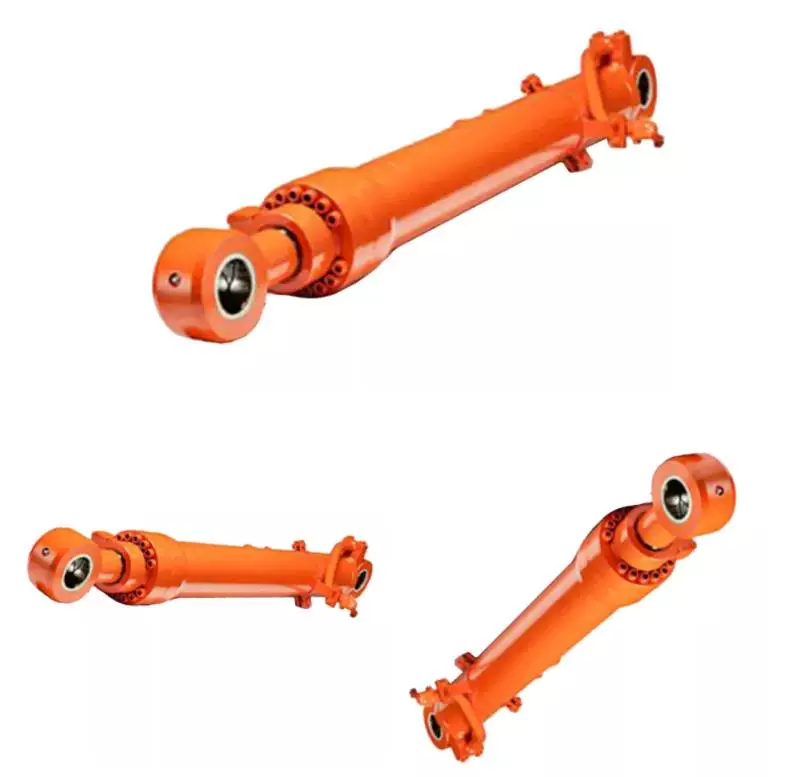
How do hydraulic cylinders handle the challenges of minimizing friction and wear?
Hydraulic cylinders employ several mechanisms and techniques to effectively minimize friction and wear, ensuring optimal performance and longevity. Minimizing friction and wear is crucial for hydraulic cylinders as it helps to maintain efficiency, reduce energy consumption, and prevent premature failure. Here’s a detailed explanation of how hydraulic cylinders handle the challenges of minimizing friction and wear:
1. Lubrication:
– Proper lubrication is essential for minimizing friction and wear in hydraulic cylinders. Lubricating fluids, such as hydraulic oils, are used to create a thin film between moving surfaces, reducing direct metal-to-metal contact. This lubricating film acts as a protective barrier, reducing friction and preventing wear. Regular maintenance practices include monitoring and maintaining the appropriate lubricant levels to ensure optimal lubrication and minimize frictional losses.
2. Surface Finishes:
– The surface finishes of components in hydraulic cylinders play a crucial role in minimizing friction and wear. Smoother surface finishes, achieved through precision machining, grinding, or the application of specialized coatings, reduce surface roughness and frictional resistance. By minimizing surface irregularities, the risk of wear and friction-induced damage is significantly reduced, resulting in improved efficiency and extended component life.
3. High-Quality Sealing Systems:
– Well-designed and high-quality sealing systems are crucial for minimizing friction and wear in hydraulic cylinders. Seals prevent fluid leakage and contamination while maintaining proper lubrication. Advanced sealing materials, such as polyurethane or composite materials, offer excellent wear resistance and low friction characteristics. Optimal seal design and proper installation ensure effective sealing, minimizing friction and wear between the piston and cylinder bore.
4. Proper Alignment and Clearances:
– Hydraulic cylinders must be properly aligned and have appropriate clearances to minimize friction and wear. Misalignment or excessive clearances can result in increased friction and uneven wear, leading to premature failure. Proper installation, alignment, and maintenance practices, including regular inspection and adjustment of clearances, help ensure smooth and even movement of the piston within the cylinder, reducing friction and wear.
5. Filtration and Contamination Control:
– Effective filtration and contamination control are essential for minimizing friction and wear in hydraulic cylinders. Contaminants, such as particles or moisture, can act as abrasive agents, accelerating wear and increasing friction. By implementing robust filtration systems and proper maintenance practices, hydraulic systems can prevent the ingress of contaminants, ensuring clean and properly lubricated components. Clean hydraulic fluids help minimize wear and friction, contributing to improved performance and longevity.
6. Material Selection:
– The selection of appropriate materials for hydraulic cylinder components is crucial in minimizing friction and wear. Components subject to high frictional forces, such as pistons and cylinder bores, can be made from materials with excellent wear resistance, such as hardened steel or composite materials. Additionally, selecting materials with low coefficients of friction helps reduce frictional losses. Proper material selection ensures durability and minimized wear in critical components of hydraulic cylinders.
7. Maintenance and Regular Inspection:
– Regular maintenance and inspection practices are vital for identifying and addressing potential issues that could lead to increased friction and wear in hydraulic cylinders. Scheduled maintenance includes lubrication checks, seal inspections, and monitoring of clearances. By promptly detecting and rectifying any signs of wear or misalignment, hydraulic cylinders can be kept in optimal condition, minimizing friction and wear throughout their operational lifespan.
In summary, hydraulic cylinders employ various strategies to handle the challenges of minimizing friction and wear. These include proper lubrication, employing suitable surface finishes, utilizing high-quality sealing systems, ensuring proper alignment and clearances, implementing effective filtration and contamination control measures, selecting appropriate materials, and conducting regular maintenance and inspections. By implementing these practices, hydraulic cylinders can minimize friction and wear, ensuring smooth and efficient operation while extending the overall lifespan of the system.
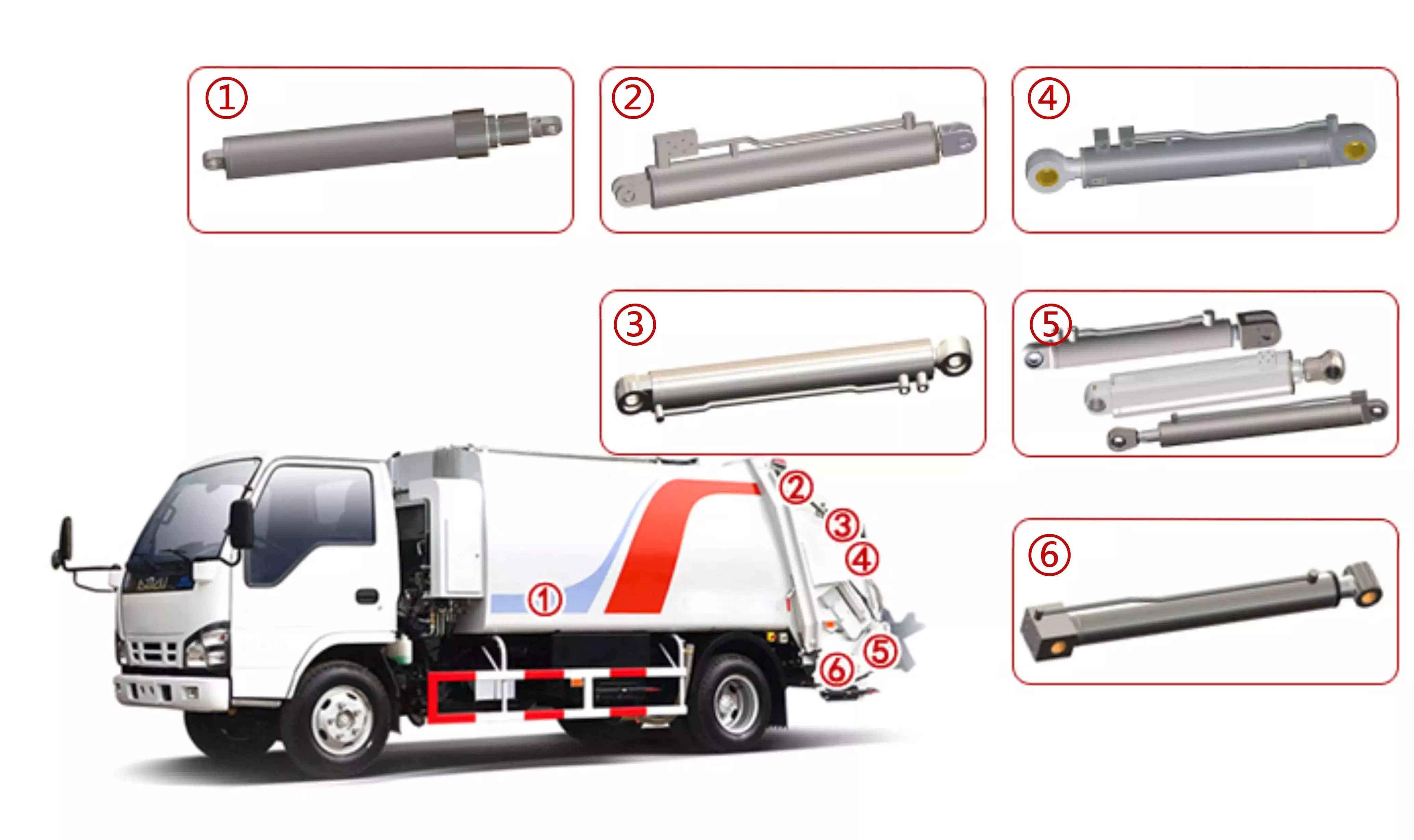
How do hydraulic cylinders contribute to the efficiency of agricultural tasks like plowing?
Hydraulic cylinders play a crucial role in improving the efficiency of agricultural tasks, including plowing. These cylinders provide several benefits that enhance the performance and productivity of agricultural machinery. Let’s explore how hydraulic cylinders contribute to the efficiency of plowing and other agricultural tasks:
- Powerful Force Generation: Hydraulic cylinders are capable of generating high forces, which is essential for tasks like plowing. The hydraulic system supplies pressurized fluid to the cylinders, converting hydraulic energy into mechanical force. This force is then utilized to drive plow blades through the soil, overcoming resistance and facilitating efficient soil penetration. The power generated by hydraulic cylinders ensures effective plowing, even in tough or compacted soil conditions.
- Adjustable Working Depth: Hydraulic cylinders allow for easy and precise adjustment of the plow’s working depth. By controlling the extension or retraction of the hydraulic cylinder, farmers can adjust the depth of the plow blades according to soil conditions, crop requirements, or their specific preferences. This adjustability enhances efficiency by ensuring optimal soil tillage and minimizing unnecessary energy expenditure. Farmers can adapt the plowing depth to different field areas, optimizing the use of resources and promoting uniform crop growth.
- Responsive Control: Hydraulic systems offer highly responsive control, enabling farmers to make quick adjustments during plowing operations. Hydraulic cylinders respond rapidly to changes in hydraulic pressure and valve settings, allowing for immediate modifications in the plow’s position, depth, or angle. This responsiveness enhances efficiency by facilitating on-the-go adjustments based on soil variations, obstacles, or changing field conditions. Farmers can maintain precise control over the plow’s performance, ensuring effective soil tillage and minimizing the risk of crop damage.
- Implement Versatility: Hydraulic cylinders enable the attachment of various implements to agricultural machinery, expanding their functionality and versatility. In the context of plowing, hydraulic cylinders allow for the attachment and detachment of plow blades or other tillage implements. This versatility enables farmers to adapt their equipment to different soil types, field sizes, or specific plowing requirements. By using hydraulic cylinders, farmers can easily switch between different implements, optimizing their equipment for specific tasks and maximizing efficiency.
- Efficient Time Management: Hydraulic cylinders contribute to time efficiency in agricultural tasks like plowing. With hydraulic systems, farmers can operate plows at higher speeds while maintaining control and precision. The responsive nature of hydraulic cylinders allows for efficient turning, maneuvering, and repositioning of plows, minimizing downtime and optimizing field coverage. This time efficiency translates into increased productivity and reduced overall operational costs. Farmers can accomplish plowing tasks more quickly, allowing them to cover larger field areas in less time.
In summary, hydraulic cylinders significantly contribute to the efficiency of agricultural tasks like plowing. Through powerful force generation, adjustable working depth, responsive control, implement versatility, and efficient time management, hydraulic systems equipped with cylinders enhance the performance and productivity of agricultural machinery. These contributions allow farmers to accomplish plowing tasks more effectively, optimize field operations, and achieve improved overall efficiency in their agricultural practices.
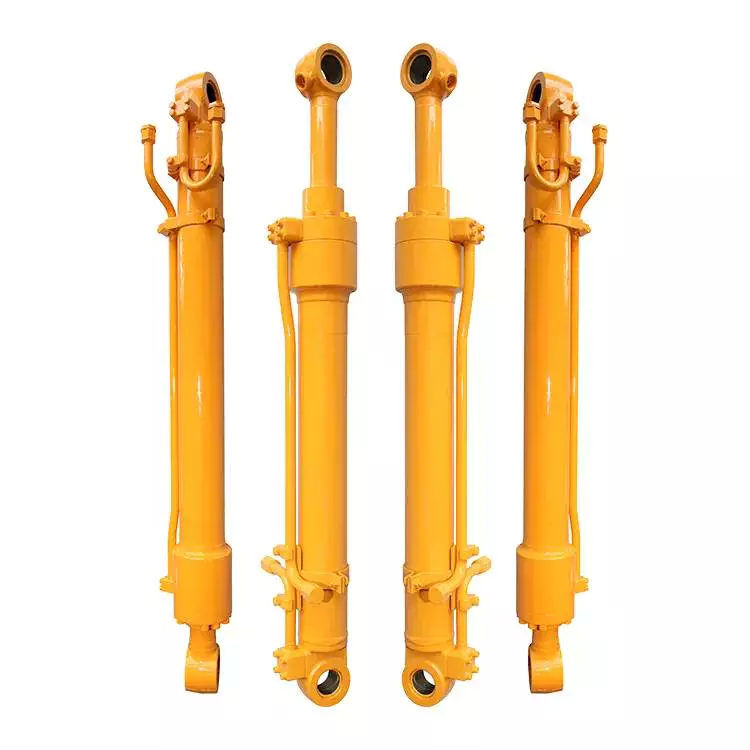
What maintenance practices are essential for extending the lifespan of hydraulic cylinders?
Maintaining hydraulic cylinders is crucial for extending their lifespan and ensuring optimal performance. Regular maintenance helps prevent premature wear, damage, and failure, ultimately reducing downtime and saving costs. Here are some essential maintenance practices to consider for extending the lifespan of hydraulic cylinders:
1. Regular Inspections:
– Conduct routine visual inspections of hydraulic cylinders to identify any signs of damage, leaks, or wear. Inspect the cylinder body, piston rod, seals, and mounting points. Look for fluid leaks, rust, dents, or any abnormal wear patterns. Early detection of issues allows for timely repairs or replacements, preventing further damage and extending the lifespan of the cylinder.
2. Cleanliness:
– Maintain a clean environment around hydraulic cylinders to prevent contaminants from entering the system. Dust, dirt, and debris can damage seals and other internal components, leading to accelerated wear and reduced performance. Regularly clean the cylinder and its surroundings to minimize the risk of contamination.
3. Proper Lubrication:
– Adequate lubrication is critical for the smooth operation and longevity of hydraulic cylinders. Follow the manufacturer’s recommendations for lubrication intervals and use the appropriate lubricant. Apply lubrication to the cylinder’s moving parts, such as the piston rod, to reduce friction and minimize wear.
4. Seal Maintenance:
– Seals play a vital role in preventing hydraulic fluid leaks and maintaining the cylinder’s performance. Inspect and replace worn or damaged seals promptly. Ensure that seals are properly installed and lubricated. Regularly clean the seal grooves to remove any debris that could compromise seal effectiveness.
5. Pressure Checks:
– Periodically check the hydraulic system’s pressure to ensure it is within the recommended operating range. Excessive pressure can strain the cylinder and its components, leading to premature wear. Monitor pressure levels and make adjustments as necessary to prevent overloading the cylinder.
6. Control Valve Maintenance:
– Maintain and inspect control valves that regulate the flow and direction of hydraulic fluid. Ensure that the valves are functioning correctly and not causing excessive stress or pressure spikes in the cylinder. Clean or replace control valves if they are damaged or malfunctioning.
7. Cylinder Alignment:
– Proper alignment of hydraulic cylinders is essential for their longevity. Misalignment can cause excessive side loads, leading to uneven wear and potential damage. Ensure that the cylinder is correctly aligned with other components and that the mounting points are secure.
8. Preventing Overloading:
– Avoid subjecting hydraulic cylinders to loads exceeding their rated capacity. Overloading can cause internal damage, seal failure, and reduced lifespan. Ensure that the load requirements are within the cylinder’s capabilities and consider using safety devices like overload protection systems when necessary.
9. Training and Operator Awareness:
– Provide proper training to equipment operators on the correct use and handling of hydraulic cylinders. Operators should be aware of the cylinder’s limitations, safe operating procedures, and the importance of regular maintenance. Promote a culture of proactive maintenance and encourage operators to report any potential issues promptly.
10. Documentation and Record-Keeping:
– Maintain detailed documentation of all maintenance activities, including inspections, repairs, and replacements. Keep records of lubrication schedules, pressure checks, and any maintenance performed on the hydraulic cylinders. This documentation helps track the cylinder’s history, identify recurring issues, and plan future maintenance effectively.
By following these maintenance practices, hydraulic cylinder lifespan can be extended, ensuring reliable performance and reducing the risk of unexpected failures. Regular inspections, cleanliness, proper lubrication, seal maintenance, pressure checks, control valve maintenance, cylinder alignment, preventing overloading, operator training, and documentation contribute to the overall longevity and optimal functioning of hydraulic cylinders.


editor by CX 2024-02-04