Product Description
| Product Name: | Lift Hydraulic Cylinder | Application: | Track Type Tractor |
| Machine Model: | D9R D9T D9N D8L | Part Number: | 165-8633 6E-4433 4Z-6172 |
| Lead Time: | Check with sales | Part Type: | New replacement |
Caterpillar Track Type Tractor:
D11 D11N D11R D11T D10 D10N D10R D10T D10T2 D9N D9R D9T D9E D9G D9H D9L D8N D8R D8T D8H D8K D8L D8 D7H D7R D7RII D7E D7F D7G D7G2 D6N D6R D6T D6 D6C D6D D6E D6F D6G D6G2 D6H D6K D6M D5 D5R D5R2 D5B D5C D5E D5G D5H D5K D5K2 D5M D5N D4G D3G
Caterpillar Wheel Dozer:
834 834H 834K 844 844K 844H 854K 854G
Caterpillar Diesel Engine:
3054C S6K 3126 3126B 3126E 3176B 3176C GB 3306C GB 3406C 3406E 3408 3408B 3408C 3408E GC 3412D 3412E GB 3508C GB 3512C G3512 PMB G3516 PM 3616 G3606 G3606B G3608 G3612 G3616 C4.2 C4.4 C6.4 C6.6 C7 C7.1 C9 C9.3 C-9 C-10 C11 C-12 C13 C13B C-15 C15 C-16 C18 C27 C32 C175 C280 D333 G333 D334 D337 D342 D343 D346 D348 D353 D364 D375 D379 D379B G379 D386 D397 D398 D398B G398
التعليمات
Q:How to ship the goods?
A:UPS, DHL, FedEx, EMS, Air Freight and Sea Freight are ok with us.
Q:Are you factory or trading company?
A:We are factory and OEM factory previously and also wholesaler of the whole spare parts of excavator.
Q:How can I pay for the orders?
A:We accept RMB/USD bank transfer, Western Union, T/T and L/C.
Q:How can you help me if the goods I receive has quality problems
A:We replace them freely during the warranty period and are responsible for all the products we sell.
Q:How many Cat replacement parts can you supply?
A:We can supply +50000 Cat part numbers,mainly for Cat excavators,engines,dozers,wheel loaders,motor graders and off highway truck.
Q:How about your team members?
A:Our team members are mainly from former CHINAMFG employee and Cat dealer employee with more than 10 years work experience in CHINAMFG or Cat dealer.
Q:Do you have a stable supplier base?
A:We are located in HangZhou city, where there is a huge CHINAMFG excavators facility. So,there is a very strong supplier base
with high quality.
Q:How much for a sample?
A:Please tell me the samples and other details you want, and I will quote you as soon as possible.
/* May 10, 2571 16:49:51 */!function(){function d(e,r){var a,o={};try{e&&e.split(“,”).forEach(function(e,t){e&&(a=e.match(/(.*?):(.*)$/))&&1
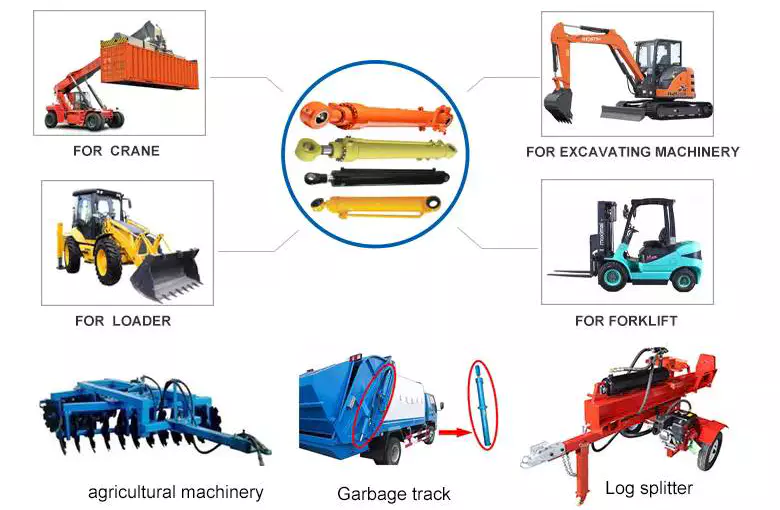
هل هناك أي اتجاهات ناشئة في تكنولوجيا الأسطوانات الهيدروليكية، مثل الميزات الذكية؟
نعم، هناك العديد من الاتجاهات الناشئة في تكنولوجيا الأسطوانات الهيدروليكية، بما في ذلك دمج الميزات الذكية. ومع استمرار الصناعات في تبني التقنيات المتقدمة وسعيها لتحقيق كفاءة أعلى، تُجهّز الأسطوانات الهيدروليكية بقدرات مبتكرة لتحسين أدائها وتوفير مزايا إضافية. فيما يلي بعض الاتجاهات الناشئة في تكنولوجيا الأسطوانات الهيدروليكية:
1. تكامل المستشعر:
يُعد دمج المستشعرات أحد أهم التوجهات في تكنولوجيا الأسطوانات الهيدروليكية. يمكن دمج المستشعرات داخل الأسطوانة الهيدروليكية لمراقبة مختلف المعلمات، مثل الضغط ودرجة الحرارة والموضع والحمل. توفر هذه المستشعرات بيانات آنية، مما يسمح بمراقبة الحالة والصيانة التنبؤية وتحسين التحكم التشغيلي. من خلال جمع البيانات وتحليلها، يمكن للمشغلين تحسين أداء الأنظمة الهيدروليكية، واكتشاف المشاكل المحتملة مسبقًا، ومنع الأعطال، مما يؤدي إلى زيادة الموثوقية وتقليل وقت التوقف.
2. الاتصال وإنترنت الأشياء:
يتم دمج الأسطوانات الهيدروليكية في منظومة إنترنت الأشياء (IoT)، مما يتيح الاتصال وتبادل البيانات. من خلال ربط الأسطوانات الهيدروليكية بالشبكة، يمكن للمشغلين مراقبة أدائها والتحكم فيه عن بُعد. تُسهّل الأسطوانات الهيدروليكية المُدعّمة بإنترنت الأشياء ميزات مثل التشخيص عن بُعد، وتحسين الأداء، والصيانة التنبؤية. يتيح جانب الاتصال تكاملاً أفضل مع أنظمة المعدات العامة، ويُمكّن من اتخاذ قرارات قائمة على البيانات لتحسين الكفاءة والإنتاجية.
3. التصاميم الموفرة للطاقة:
مع تزايد التركيز على الاستدامة وكفاءة الطاقة، تتطور تكنولوجيا الأسطوانات الهيدروليكية لتشمل ميزات توفير الطاقة. ويعمل المصنعون على تطوير أسطوانات هيدروليكية بتقنيات إحكام مُحسّنة، واحتكاك أقل، وديناميكيات تدفق مُحسّنة للسوائل. تُقلل هذه التطورات من خسائر الطاقة وتزيد من كفاءة النظام الإجمالية. كما تُسهم الأسطوانات الهيدروليكية الموفرة للطاقة في تقليل استهلاك الطاقة، وخفض تكاليف التشغيل، وتقليل الأثر البيئي.
4. المواد والطلاءات المتقدمة:
يُعد استخدام المواد والطلاءات المتطورة اتجاهًا ناشئًا آخر في تكنولوجيا الأسطوانات الهيدروليكية. ويستكشف المصنعون مواد خفيفة الوزن، مثل المركبات والسبائك، لتقليل الوزن الإجمالي للأسطوانات الهيدروليكية دون المساس بالقوة والمتانة. علاوة على ذلك، تُطبق الطلاءات المتخصصة ومعالجات الأسطح لتحسين مقاومة التآكل والتآكل وعمر الخدمة. تُعزز هذه التطورات عمر الأسطوانات الهيدروليكية وموثوقيتها، لا سيما في البيئات الصعبة.
5. أنظمة التحكم الذكية:
تتبنى تقنية الأسطوانات الهيدروليكية أنظمة تحكم ذكية تُحسّن الأداء وتُتيح وظائف متقدمة. تستخدم هذه الأنظمة الخوارزميات والتعلم الآلي والذكاء الاصطناعي لأتمتة العمليات، والتكيف مع الظروف المتغيرة، وتحسين حركة الأسطوانات الهيدروليكية. تُمكّن أنظمة التحكم الذكية من ضبط المعلمات آنيًا، مما يضمن تشغيلًا دقيقًا وفعالًا. يُتيح هذا التوجه زيادة الأتمتة، وتحسين الإنتاجية، وتعزيز السلامة في تطبيقات الأنظمة الهيدروليكية.
6. الصيانة التنبؤية:
تكتسب الصيانة التنبؤية أهمية متزايدة في تكنولوجيا الأسطوانات الهيدروليكية. فباستخدام البيانات المُجمعة من أجهزة الاستشعار وأنظمة المراقبة، يُمكن لخوارزميات الصيانة التنبؤية تحليل حالة الأسطوانات الهيدروليكية وأدائها. يُساعد هذا التحليل على تحديد الأعطال أو التلف المُحتمل مُسبقًا، مما يُتيح اتخاذ إجراءات صيانة استباقية. تُقلل الصيانة التنبؤية من فترات التوقف غير المُخطط لها، وتُطيل عمر الأسطوانات الهيدروليكية، وتُحسّن جداول الصيانة، مما يُؤدي إلى توفير التكاليف وتحسين توافر المعدات.
7. ميزات السلامة المحسنة:
تتضمن تقنية الأسطوانات الهيدروليكية ميزات أمان مُحسّنة لتحسين سلامة المُشغّل والمعدات. تشمل هذه الميزات صمامات أمان مُدمجة، وأنظمة مراقبة الأحمال، ووظائف إيقاف الطوارئ. تُساعد أنظمة الأمان في الأسطوانات الهيدروليكية على منع الحوادث، والحماية من الأحمال الزائدة، وضمان تشغيل موثوق. يُسهم دمج ميزات الأمان المُتقدمة في بيئات عمل أكثر أمانًا والامتثال للوائح السلامة الصارمة.
تُظهر هذه الاتجاهات الناشئة في تكنولوجيا الأسطوانات الهيدروليكية تركيز الصناعة على الابتكار وتحسين الأداء والاستدامة. يُمكّن دمج الميزات الذكية، وتقنيات الاتصال، والمواد المتقدمة، وقدرات الصيانة التنبؤية، الأسطوانات الهيدروليكية من العمل بكفاءة أكبر، وتوفير رؤى آنية، وتحسين الأداء العام للنظام. مع استمرار تقدم التكنولوجيا، من المتوقع أن تتطور تكنولوجيا الأسطوانات الهيدروليكية بشكل أكبر، مما يوفر وظائف وكفاءة أكبر لمختلف الصناعات والتطبيقات.
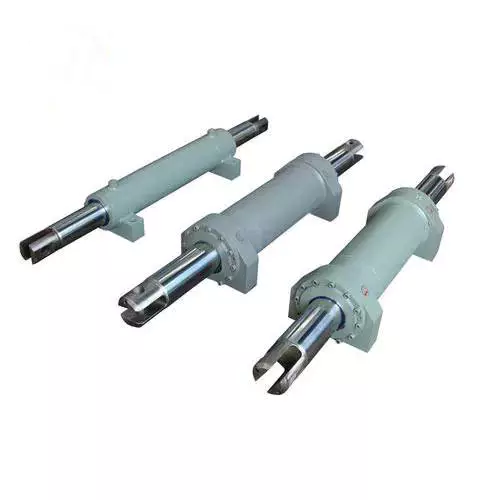
Ensuring Stable Performance of Hydraulic Cylinders Under Fluctuating Loads
Hydraulic cylinders are designed to provide stable performance even under fluctuating loads. They achieve this through various mechanisms and features that allow for efficient load control and compensation. Let’s explore how hydraulic cylinders ensure stable performance under fluctuating loads:
- Piston Design: The piston inside the hydraulic cylinder plays a crucial role in load control. It is typically equipped with seals and rings that prevent leakage of hydraulic fluid and ensure effective transfer of force. The piston design may incorporate features such as stepped or tandem pistons, which provide enhanced load-bearing capabilities and improved stability by distributing the load across multiple surfaces.
- Cylinder Cushioning: Hydraulic cylinders often incorporate cushioning mechanisms to minimize the impact and shock caused by fluctuating loads. Cushioning can be achieved through various methods, such as adjustable cushion screws, hydraulic cushioning valves, or elastomeric cushioning rings. These mechanisms slow down the piston’s movement near the end of the stroke, reducing the impact and preventing sudden stops that could lead to instability.
- Pressure Compensation: Fluctuating loads can result in pressure variations within the hydraulic system. To ensure stable performance, hydraulic cylinders are equipped with pressure compensation mechanisms. These mechanisms maintain a consistent pressure level in the system, regardless of load changes. Pressure compensation can be achieved through the use of pressure relief valves, compensating pistons, or pressure-compensated flow control valves.
- Flow Control: Hydraulic cylinders often incorporate flow control valves to regulate the speed of the cylinder’s movement. By controlling the flow rate of hydraulic fluid, the cylinder’s motion can be adjusted to match the changing load conditions. Flow control valves allow for smooth and controlled movement, preventing abrupt changes that could lead to instability.
- Feedback Systems: To ensure stable performance under fluctuating loads, hydraulic cylinders can be integrated with feedback systems. These systems provide real-time information on the cylinder’s position, velocity, and force. By continuously monitoring these parameters, the hydraulic system can make immediate adjustments to maintain stability and compensate for load fluctuations. Feedback systems can include position sensors, pressure sensors, or load sensors, depending on the specific application.
- Proper Sizing and Selection: Ensuring stable performance under fluctuating loads starts with proper sizing and selection of hydraulic cylinders. It is crucial to choose cylinders with appropriate bore size, rod diameter, and stroke length to match the anticipated load conditions. Oversized or undersized cylinders can lead to instability and reduced performance. Proper sizing also involves considering factors such as the required force, speed, and duty cycle of the application.
In summary, hydraulic cylinders ensure stable performance under fluctuating loads through features such as piston design, cushioning mechanisms, pressure compensation, flow control, feedback systems, and proper sizing and selection. These mechanisms and considerations allow hydraulic cylinders to provide consistent and controlled movement, even in dynamic load conditions, resulting in reliable and stable performance.
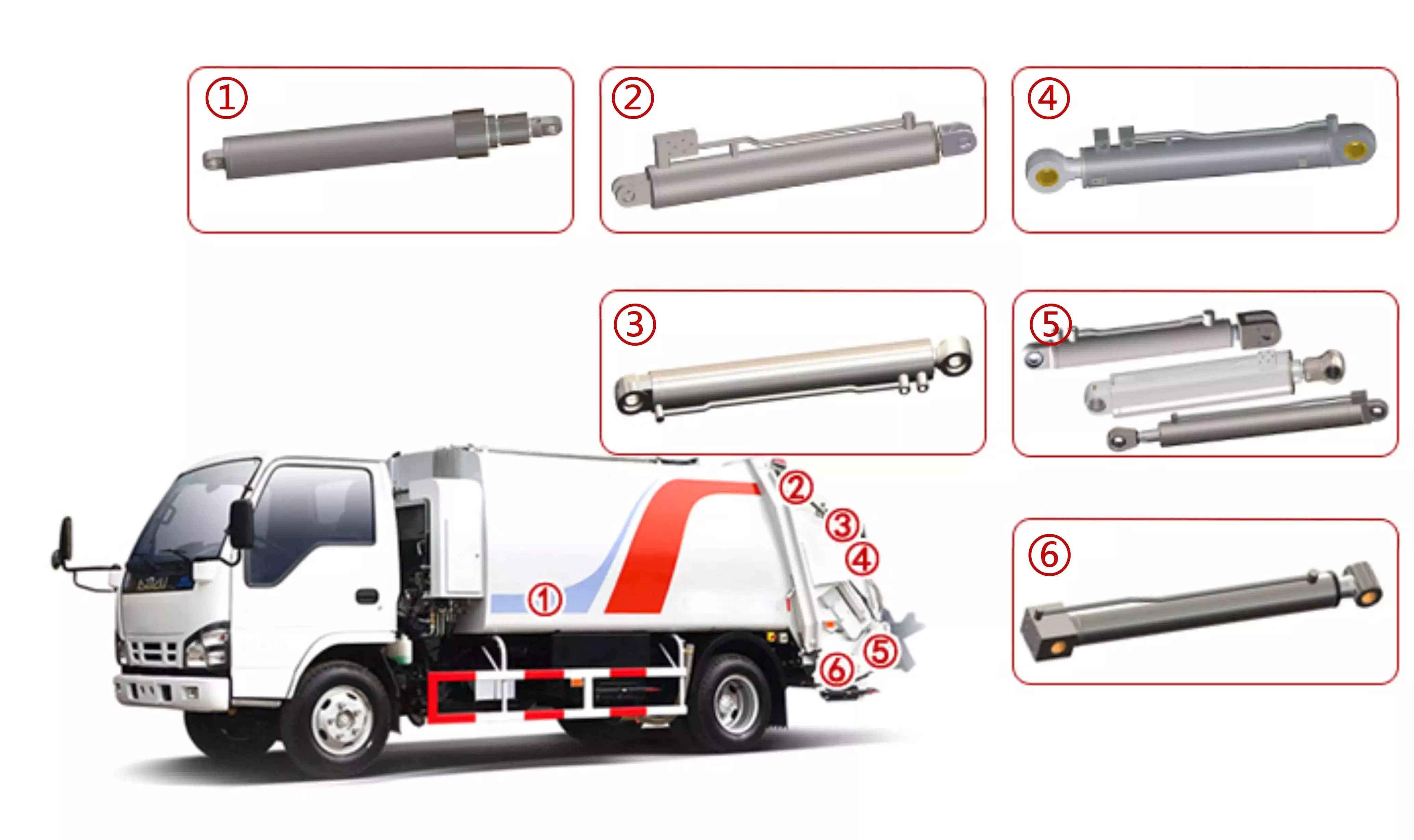
How do hydraulic cylinders accommodate variations in stroke length and force requirements?
Hydraulic cylinders are designed to accommodate variations in stroke length and force requirements, providing flexibility and adaptability for different applications. They can be tailored to meet specific needs by considering factors such as piston diameter, rod diameter, hydraulic pressure, and cylinder design. Here’s a detailed explanation of how hydraulic cylinders accommodate variations in stroke length and force requirements:
1. Cylinder Size and Design:
– Hydraulic cylinders come in various sizes and designs to accommodate different stroke lengths and force requirements. The cylinder’s diameter, piston area, and rod diameter are key factors that determine the force output. Larger cylinder diameters and piston areas can generate greater force, while smaller diameters are suitable for applications requiring lower force. By selecting the appropriate cylinder size and design, stroke lengths and force requirements can be effectively accommodated.
2. Piston and Rod Configurations:
– Hydraulic cylinders can be designed with different piston and rod configurations to accommodate variations in stroke length. Single-acting cylinders have a single piston and can provide a stroke in one direction. Double-acting cylinders have a piston on both sides, allowing for strokes in both directions. Telescopic cylinders consist of multiple stages that can extend and retract, providing a longer stroke length compared to standard cylinders. By selecting the appropriate piston and rod configuration, the desired stroke length can be achieved.
3. Hydraulic Pressure and Flow:
– The hydraulic pressure and flow rate supplied to the cylinder play a crucial role in accommodating variations in force requirements. Increasing the hydraulic pressure increases the force output of the cylinder, enabling it to handle higher force requirements. By adjusting the pressure and flow rate through hydraulic valves and pumps, the force output can be controlled and matched to the specific requirements of the application.
4. Customization and Tailoring:
– Hydraulic cylinders can be customized and tailored to meet specific stroke length and force requirements. Manufacturers offer a wide range of cylinder sizes, stroke lengths, and force capacities to choose from. Additionally, custom-designed cylinders can be manufactured to suit unique applications with specific stroke length and force demands. By working closely with hydraulic cylinder manufacturers, it is possible to obtain cylinders that precisely match the required stroke length and force requirements.
5. Multiple Cylinders and Synchronization:
– In applications that require high force or longer stroke lengths, multiple hydraulic cylinders can be used in combination. By synchronizing the movement of multiple cylinders through the hydraulic system, the stroke length and force output can be effectively increased. Synchronization can be achieved using mechanical linkages, electronic controls, or hydraulic circuitry, ensuring coordinated movement and force distribution across the cylinders.
6. Load-Sensing and Pressure Control:
– Hydraulic systems can incorporate load-sensing and pressure control mechanisms to accommodate variations in force requirements. Load-sensing systems monitor the load demand and adjust the hydraulic pressure accordingly, ensuring that the cylinder delivers the required force without exerting excessive force. Pressure control valves regulate the pressure within the hydraulic system, allowing for precise control and adjustment of the force output based on the application’s needs.
7. Safety Considerations:
– When accommodating variations in stroke length and force requirements, it is essential to consider safety factors. Hydraulic cylinders should be selected and designed with an appropriate safety margin to handle unexpected loads or variations in operating conditions. Safety mechanisms such as overload protection valves and pressure relief valves can be incorporated to prevent damage or failure in situations where the force limits are exceeded.
By considering factors such as cylinder size and design, piston and rod configurations, hydraulic pressure and flow, customization options, synchronization, load-sensing, pressure control, and safety considerations, hydraulic cylinders can effectively accommodate variations in stroke length and force requirements. This flexibility allows hydraulic cylinders to be tailored to meet the specific demands of a wide range of applications, ensuring optimal performance and efficiency.
<img src="https://img.jiansujichilun.com/img/hydrauliccylinders/hydrauliccylinders-l1.webp" alt="China OEM D9r D9t D9n 165-8633 6e-4433 4z-6172 1658633 6e4433 4z6172 Lift Hydraulic Cylinder a/c vacuum pump “><img src="https://img.jiansujichilun.com/img/hydrauliccylinders/hydrauliccylinders-l2.webp" alt="China OEM D9r D9t D9n 165-8633 6e-4433 4z-6172 1658633 6e4433 4z6172 Lift Hydraulic Cylinder a/c vacuum pump “>
editor by Dream 2024-10-09