Product Description
Double Action Hydraulic Cylinder for Hydraulic Scissors
Product تحديد:
| غرض | تحديد |
| Bore diameter | 280mm,customizable |
| Bod diameter | 190mm,customizable |
| سكتة دماغية | 300mm,customizable |
| ضغط العمل | 35Mpa,customizable |
| معالجة سطح قضيب المكبس | طلاء الكروم الصلب، طلاء كهربائي بالكروم الأبيض الحليبي + الكروم الصلب، طلاء النيكل + طلاء الكروم الصلب، وقود الأكسجين عالي السرعة CrC NiC، طلاء السيراميك، النترتة، الكسوة بالليزر |
| ضغط العمل | Maximum 38MPa,Customizable |
| مادة | أنبوب مرسوم على البارد عالي الشد، مصقول بدقة لإطالة عمر الختم |
| التركيب | Earring,Flange,Clevis.Foot,Trunnion,Customizable |
| نوع الختم | باركر، NOK، Hallite GAPI أو حسب متطلبات العميل |
| Warrenty | 18 months |
| الحد الأدنى لكمية الطلب | 1pcs |
| وقت الإنتاج | Based on order quantity.normally 30-40 days. |
| Certification | ISO9001,CE, SGS |
| لون | Red,White,Pink,Yellow,Bule,etc,Customizable |
| التعبئة والتغليف | Metal case,plywood case,carton or as requirement |
| خدمة | تصنيع المعدات الأصلية وتصنيع التصميم الشخصي |
| ميزة السعر | سعر المصنع التنافسي مع جودة مضمونة |
| نوع العمل | الشركة المصنعة |
عرض المنتج:
Product Advantages:
يضمن التصميم الهيكلي الخاص واستخدام المواد عالية القوة وعمليات المعالجة الحرارية واللحام الخاصة أن تتمتع أسطوانة الزيت بمتانة عالية للغاية في مواجهة التعب تحت الضغط العالي والحمل الثقيل.
يمكن تحليل أسطوانات التعليق الأمامية والخلفية وحسابها بناءً على المعلمات التي يوفرها العملاء، ويمكن تصميم منحنيات الصلابة والتخميد المطلوبة من قبل العملاء.
يتم معالجة سطح قضيب المكبس بطريقة خاصة لضمان مقاومة ممتازة للتآكل والتآكل لقضيب المكبس.
اختر حلقات الختم شديدة التحمل لتلبية ظروف العمل القاسية في منطقة التعدين، مما يضمن أداءً ممتازًا في مقاومة الغبار والختم لأسطوانة الزيت.
حدد سلسلة واسعة وحلقة توجيه متكاملة ذات قدرة تحمل عالية، مع مقاومة قوية للقوة الجانبية.
يمكن تصميم الجزء الداخلي من أسطوانة الرفع بهيكل عازل لتجنب الصدمات المفرطة أثناء عمليات الرفع والخفض.
يمكن تجهيز أسطوانة التوجيه بمستشعر إزاحة مدمج لمراقبة شوط الأسطوانة في الوقت الفعلي.
يعتمد مجمع المكبس على تصميم مكبس مزدوج، مع غرف ضغط عالية ومنخفضة لتلبية ظروف الطريق المختلفة.
يضمن تصميم هيكل الختم الموثوق به لمجمع المكبس فصل الزيت عن الغاز.
Appliactions:Construction Machinery,Hydraulic Scissors.
طريقة التركيب:
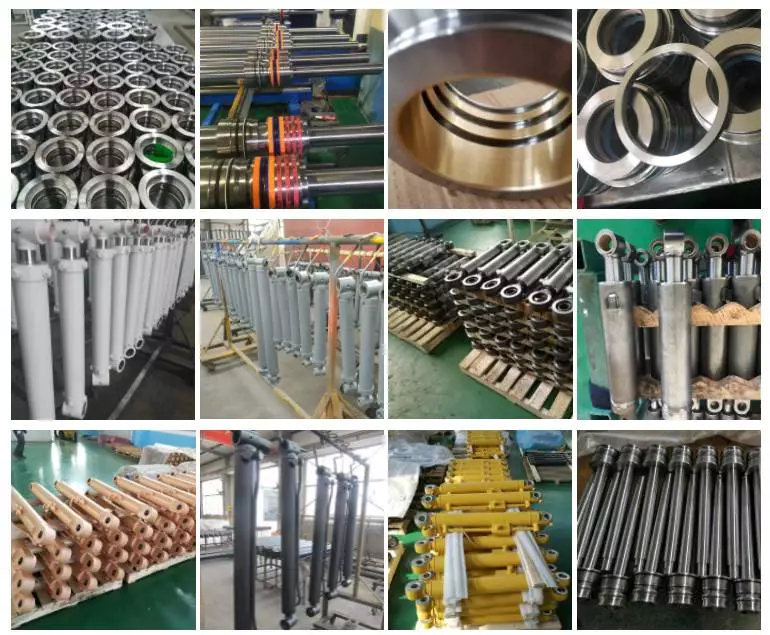
مصنعنا:
عملية التفتيش:
| نوع التفتيش | معيار التفتيش |
| فحص المواد الخام | قبل التخزين، يقوم قسم مراقبة الجودة بأخذ قياسات المواد الخام. |
| فحص مواد العملية | أثناء الإنتاج، يقوم مراقبو الجودة بإجراء تفتيش عشوائي. قبل نقل أجزاء الأسطوانة الهيدروليكية إلى العملية التالية، يقوم مراقبو الجودة بإجراء عملية التفتيش. |
| اختبار الوظيفة النهائي | تخضع جميع الأسطوانات الهيدروليكية لاختبار الوظيفة الهيدروليكية |
Inspection of Mechanical Properties of Raw Materials
Process Inspection
Final Testing
Packing & Delivery:
About US:
Our Certificate
ZheJiang Tianjian Hydraulic Technology Co.,Ltd is specializing in the production of various types of hydraulic cylinders as well as cylinder barrel, piston cylinder and other cylinder accessories.
As a highly specialized manufacturer of hydraulic cylinders, tianjian provides design optimization solutions and reliable products to many customers at home and abroad. No matter in construction machinery, railway bridge machinery, port ship machinery, metallurgy and mining machinery, oil and light industry machinery, special vehicles and other industries, tianjian can provide various standard and non-standard hydraulic cylinder design optimization schemes and products according to users’ requirements, and provide integrated services for perfection and quality.
إذا كان ذلك ممكنًا، عند الاتصال بنا، يرجى تطبيق المعلومات كما هو موضح أدناه
|
الممل |
عصا |
سكتة دماغية |
ضغط العمل |
التركيب |
بيئة العمل |
|
|
|
|
|
|
|
أو يمكنك أن تقدم لنا الرسم التخطيطي الخاص بك أو الصور حتى نتمكن من فهم ما تقصده بالضبط، ومساعدتنا على تجنب الأخطاء.
وإذا كان لديك عينات، يمكننا تصنيعها وفقا للعينات الخاصة بك بعد إرسالها إلينا.
مرحبا بكم في مصنعنا إذا كان لديك أي وقت.
رضاكم هو دافعنا الأكبر.
Our Main Customers
الآن يمكنك التواصل معنا لأي سؤال أو استفسار.
التعليمات:
1. ماذا تفعل شركتك؟
ج: نحن مورد للمنتجات الهيدروليكية عالية الجودة بما في ذلك الأسطوانة الهيدروليكية والمحرك الهيدروليكي وحزمة الطاقة الهيدروليكية ومحطة الهيدروليكية والمكونات الهيدروليكية الأخرى.
2. هل أنت شركة تصنيع أو شركة تجارية؟
أ: نحن شركة مصنعة.
3. ما هي الشهادة التي لديك؟
ج: جميع مصانعنا حاصلة على شهادات ISO. موردونا الرئيسيون للمواد وقطع الغيار حاصلون على شهادات CE وRoHS وCSA وUL.
4. ما هي مدة التسليم الخاصة بك؟
A: The delivery time depends on different products and quantity. The cylinder usually need about 45-60 days and the Motor need about 30-50 days.
5، هل يمكنك صنع الأجزاء حسب متطلبات العميل أو الرسم؟
ج: نعم، يمكننا تصنيع المنتجات الأصلية (OEM) حسب رسوماتكم. كما يقدم لكم مهندسونا الدعم الفني الاحترافي والاقتراحات الفنية.
6. ما نوع شروط الدفع التي تقبلها؟
ج: نفضل الدفع عبر T/T. 30% عند تأكيد الطلب، و70% قبل الشحن. كما نرحب بالدفع عبر خطاب الاعتماد للمبالغ التي تزيد عن 20,000 دولار أمريكي.
7. ما هي سياسة الضمان الخاصة بك؟
A: All our products are warranted for 1 full year from date of delivery against defects in materials and workmanship. This warranty does not cover parts that are worn out through the course of normal operation or are damaged through negligence. We serious remind that unclean hydraulic oil will definitely cause damage to your Hydraulic components. And this damage is not included in the warranty range. So we strongly suggest you to use new clean oil or make sure the system oil are clean when using our parts
/* May 10, 2571 16:49:51 */!function(){function d(e,r){var a,o={};try{e&&e.split(“,”).forEach(function(e,t){e&&(a=e.match(/(.*?):(.*)$/))&&1
What advancements in hydraulic cylinder technology have improved energy efficiency?
Advancements in hydraulic cylinder technology have led to significant improvements in energy efficiency, allowing hydraulic systems to operate more efficiently and reduce energy consumption. These advancements aim to minimize energy losses, optimize system performance, and enhance overall efficiency. Here’s a detailed explanation of some key advancements in hydraulic cylinder technology that have improved energy efficiency:
1. Efficient Hydraulic Circuit Design:
– The design of hydraulic circuits has evolved to improve energy efficiency. Advancements in circuit design techniques, such as load-sensing, pressure-compensated systems, or variable displacement pumps, help match the hydraulic power output to the actual load requirements. These designs reduce unnecessary energy consumption by adjusting the flow and pressure levels according to the system demands, rather than operating at a fixed high pressure.
2. High-Efficiency Hydraulic Fluids:
– The development of high-efficiency hydraulic fluids, such as low-viscosity or synthetic fluids, has contributed to improved energy efficiency. These fluids offer lower internal friction and reduced resistance to flow, resulting in decreased energy losses within the system. Additionally, advanced fluid additives and formulations enhance lubrication properties, reducing friction and optimizing the overall efficiency of hydraulic cylinders.
3. Advanced Sealing Technologies:
– Seal technology has advanced significantly, leading to improved energy efficiency in hydraulic cylinders. High-performance seals, such as low-friction or low-leakage seals, minimize internal leakage and friction losses. Reduced internal leakage helps maintain system pressure more effectively, resulting in less energy waste. Additionally, innovative sealing materials and designs enhance durability and extend seal life, reducing the need for frequent maintenance and replacement.
4. Electro-Hydraulic Control Systems:
– The integration of advanced electro-hydraulic control systems has greatly contributed to energy efficiency improvements. By combining electronic control with hydraulic power, these systems enable precise control over cylinder operation, optimizing energy usage. Proportional or servo valves, along with position or force feedback sensors, allow for accurate and responsive control, ensuring that hydraulic cylinders operate at the required level of performance while minimizing energy waste.
5. Energy Recovery Systems:
– Energy recovery systems, such as hydraulic accumulators, have been increasingly utilized to improve energy efficiency in hydraulic cylinder applications. Accumulators store excess energy during low-demand periods and release it when there is a peak demand, reducing the need for the hydraulic pump to provide the full power continuously. By utilizing stored energy, these systems can significantly reduce energy consumption and improve overall system efficiency.
6. Smart Monitoring and Control:
– Advancements in smart monitoring and control technologies have enabled real-time monitoring of hydraulic systems, allowing for optimized energy usage. Integrated sensors, data analytics, and control algorithms provide insights into system performance and energy consumption, enabling operators to make informed decisions and adjustments. By identifying inefficiencies or suboptimal operating conditions, energy consumption can be minimized, leading to improved energy efficiency.
7. System Integration and Optimization:
– The integration and optimization of hydraulic systems as a whole have played a significant role in improving energy efficiency. By considering the entire system layout, component sizing, and interaction between different elements, engineers can design hydraulic systems that operate in the most energy-efficient manner. Proper sizing of components, minimizing pressure drops, and reducing unnecessary piping or valve restrictions all contribute to improved energy efficiency of hydraulic cylinders.
8. Research and Development:
– Ongoing research and development efforts in the field of hydraulic cylinder technology continue to drive energy efficiency advancements. Innovations in materials, component design, system modeling, and simulation techniques help identify areas for improvement and optimize energy usage. Additionally, collaboration between industry stakeholders, research institutions, and regulatory bodies fosters the development of energy-efficient hydraulic cylinder technologies.
In summary, advancements in hydraulic cylinder technology have resulted in notable improvements in energy efficiency. Efficient hydraulic circuit designs, high-efficiency hydraulic fluids, advanced sealing technologies, electro-hydraulic control systems, energy recovery systems, smart monitoring and control, system integration and optimization, as well as ongoing research and development efforts, all contribute to reducing energy consumption and enhancing the overall energy efficiency of hydraulic cylinders. These advancements not only benefit the environment but also offer cost savings and improved performance in various hydraulic applications.
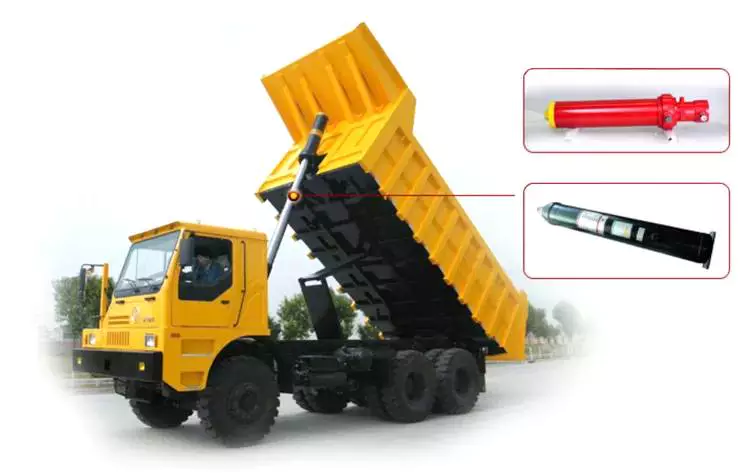
Advancements in Hydraulic Cylinder Technology Improving Corrosion Resistance
Advancements in hydraulic cylinder technology have led to significant improvements in corrosion resistance. Corrosion is a major concern in hydraulic systems, especially in environments where cylinders are exposed to moisture, chemicals, or corrosive agents. These advancements aim to enhance the durability and longevity of hydraulic cylinders. Let’s explore some of the key advancements in hydraulic cylinder technology that have improved corrosion resistance:
- Corrosion-Resistant Materials: The use of corrosion-resistant materials is a fundamental advancement in hydraulic cylinder technology. Stainless steel, for example, offers excellent resistance to corrosion, making it a popular choice in marine, offshore, and other corrosive environments. Additionally, advancements in metallurgy have led to the development of specialized alloys and coatings that provide enhanced corrosion resistance, extending the lifespan of hydraulic cylinders.
- Surface Treatments and Coatings: Various surface treatments and coatings have been developed to protect hydraulic cylinders from corrosion. These treatments can include electroplating, galvanizing, powder coating, and specialized corrosion-resistant coatings. These coatings create a barrier between the cylinder surface and corrosive elements, preventing direct contact and inhibiting the onset of corrosion. The selection of appropriate coatings depends on the specific application and environmental conditions.
- Sealing Technology: Effective sealing systems are crucial in preventing water, moisture, and contaminants from entering the cylinder and causing corrosion. Advancements in sealing technology have led to the development of high-quality seals and advanced sealing designs that offer superior resistance to corrosion. These seals are typically made from materials specifically engineered to withstand corrosive environments, ensuring long-term sealing performance and minimizing the risk of corrosion-related issues.
- Improved Surface Finishes: The surface finish of hydraulic cylinders plays a role in their resistance to corrosion. Advancements in machining and polishing techniques have allowed for smoother and more uniform surface finishes. Smoother surfaces reduce the likelihood of corrosion initiation and make it easier to clean and maintain hydraulic cylinders. Additionally, specialized finishes, such as passivation or chemical treatments, can be applied to further enhance corrosion resistance.
- Environmental Protection Features: Hydraulic cylinders can be equipped with additional features to protect against corrosion. These features may include protective boots, bellows, or shields that guard vulnerable areas from exposure to corrosive agents. By incorporating these protective elements into the design, hydraulic cylinders can withstand harsh environments and minimize the risk of corrosion-related damage.
In summary, advancements in hydraulic cylinder technology have significantly improved corrosion resistance. The use of corrosion-resistant materials, advanced surface treatments and coatings, innovative sealing technology, improved surface finishes, and the incorporation of environmental protection features have all contributed to enhanced durability and longevity of hydraulic cylinders in corrosive environments. These advancements ensure reliable performance and reduce the maintenance and replacement costs associated with corrosion-related issues.
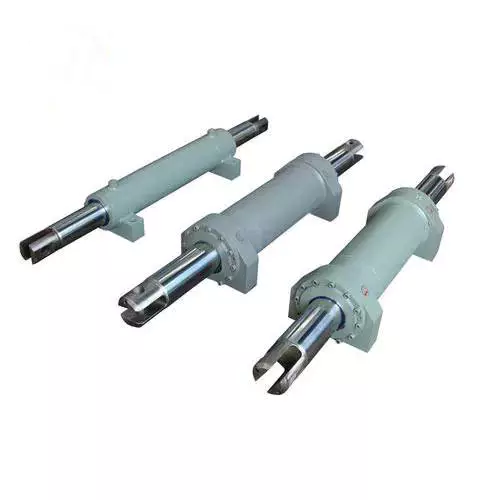
How do hydraulic cylinders ensure precise and controlled movement in equipment?
Hydraulic cylinders are widely used in various equipment and machinery to provide precise and controlled movement. They utilize hydraulic fluid and mechanical components to achieve accurate positioning, smooth operation, and reliable control. Here’s a detailed explanation of how hydraulic cylinders ensure precise and controlled movement in equipment:
1. Hydraulic Principle:
– Hydraulic cylinders operate based on Pascal’s law, which states that pressure exerted on a fluid is transmitted equally in all directions. The hydraulic fluid is contained within the cylinder, and when pressure is applied, it acts on the piston, generating force. By controlling the pressure and flow of hydraulic fluid, the movement of the cylinder can be precisely regulated, allowing for accurate and controlled motion.
2. Force and Load Management:
– Hydraulic cylinders are designed to handle specific loads and forces. The force generated by the hydraulic cylinder depends on the hydraulic pressure and the surface area of the piston. By adjusting the pressure, the force output can be controlled. This allows for precise management of the load and ensures that the cylinder can handle the required force without exerting excessive or insufficient force. Proper load management contributes to the precise and controlled movement of the equipment.
3. صمامات التحكم:
– Control valves play a crucial role in regulating the flow and direction of hydraulic fluid within the cylinder. These valves allow operators to control the extension and retraction of the cylinder, adjust the speed of movement, and stop or hold the cylinder at any desired position. By manipulating the control valves, precise and controlled movement can be achieved, enabling operators to position equipment accurately and perform specific tasks with precision.
4. Flow Control:
– Hydraulic cylinders incorporate flow control valves to manage the rate of hydraulic fluid flow. These valves control the speed of the cylinder’s extension and retraction, allowing for smooth and controlled movement. By adjusting the flow rate, operators can precisely control the speed of the cylinder, ensuring that it moves at the desired rate without sudden or erratic movements. Flow control contributes to the overall precision and control of the equipment’s movement.
5. Position Sensing:
– To ensure precise movement, hydraulic cylinders can be equipped with position sensing devices such as linear transducers or proximity sensors. These sensors provide feedback on the position of the cylinder, allowing for accurate position control and closed-loop control systems. By continuously monitoring the position, the equipment’s movement can be controlled with high accuracy, enabling precise positioning and operation.
6. Proportional Control:
– Advanced hydraulic systems utilize proportional control technology, which allows for precise and fine-tuned control of the hydraulic cylinder’s movement. Proportional valves, often operated by electronic control systems, provide variable flow rates and pressure adjustments. This technology enables precise control of speed, force, and position, resulting in highly accurate and controlled movement of the equipment.
7. Cushioning and Damping:
– Hydraulic cylinders can incorporate cushioning and damping mechanisms to ensure smooth and controlled movement at the end of the stroke. Cushioning features, such as adjustable cushions or shock absorbers, reduce the impact and decelerate the cylinder before reaching the end of the stroke. This prevents abrupt stops and minimizes vibrations, contributing to precise and controlled movement.
8. Load Compensation:
– Some hydraulic systems utilize load compensation mechanisms to maintain precise movement even when the load varies. Load-sensing systems monitor the load demand and adjust the hydraulic pressure and flow accordingly to meet that demand. This compensation ensures that the equipment’s movement remains accurate and controlled, regardless of changes in the applied load.
In summary, hydraulic cylinders ensure precise and controlled movement in equipment through the application of hydraulic principles, force and load management, control valves, flow control, position sensing, proportional control, cushioning and damping mechanisms, and load compensation. These features and technologies allow operators to achieve accurate positioning, smooth operation, and reliable control, enabling equipment to perform tasks with precision and efficiency. The combination of hydraulic power and careful design considerations ensures that hydraulic cylinders deliver precise and controlled movement in a wide range of industrial applications.


editor by Dream 2024-11-08