Product Description
Double Acting Steering Hydraulic Cylinder for CAT 777
وصف المنتج:
يضمن التصميم الهيكلي الخاص واستخدام المواد عالية القوة وعمليات المعالجة الحرارية واللحام الخاصة أن تتمتع أسطوانة الزيت بمتانة عالية للغاية في مواجهة التعب تحت الضغط العالي والحمل الثقيل.
The front and rear suspension cylinders can be analyzed and calculated based on the parameters provided by the customer, and the stiffness and damping curves required by the customer can be designed.
يتم معالجة سطح قضيب المكبس بطريقة خاصة لضمان مقاومة ممتازة للتآكل والتآكل لقضيب المكبس.
Select heavy-duty sealing rings to meet the harsh working conditions in the mining area, ensuring excellent dust and sealing performance of the oil cylinder.
Select a wide series and high load-bearing integrated guide ring, with strong lateral force resistance ability.
The internal buffer structure of the lifting cylinder can be designed to avoid excessive impact during lifting and lowering processes.
The steering cylinder can be equipped with a displacement sensor to monitor the cylinder stroke in real-time.
يعتمد مجمع المكبس على تصميم مكبس مزدوج، مع غرف ضغط عالية ومنخفضة لتلبية ظروف الطريق المختلفة.
يضمن تصميم هيكل الختم الموثوق به لمجمع المكبس فصل الزيت عن الغاز.
عرض المنتج:
تحديد:
| غرض | تحديد |
| قطر التجويف | 50mm-200mm,Customized |
| قطر القضيب | 35mm-180mm,Customized |
| Stroke1 | 100mm-700mm,Customized |
| ضغط العمل | 7-45 ميجا باسكال، مخصصة |
| معالجة سطح قضيب المكبس | طلاء الكروم الصلب، طلاء كهربائي بالكروم الأبيض الحليبي + الكروم الصلب، طلاء النيكل + طلاء الكروم الصلب، وقود الأكسجين عالي السرعة CrC NiC، طلاء السيراميك، النترتة، الكسوة بالليزر |
| أنبوب وبرميل | أنبوب مرسوم على البارد عالي الشد، مصقول بدقة لإطالة عمر الختم |
| نوع الختم | باركر، NOK، Hallite GAPI أو حسب متطلبات العميل |
| شهادة | ISO9001،CE،SGS. |
| لون | الأصفر، الأحمر، الأسود، الوردي، مخصص |
| التعبئة والتغليف | حالة معدنية؛ حالة الخشب الرقائقي؛ الكرتون أو حسب المتطلبات |
| الحد الأدنى لكمية الطلب | 1 قطعة، وفقا للمنتجات |
| ماركة | tianjian or customer’s logo |
| خدمة | تصنيع المعدات الأصلية وتصنيع التصميم الشخصي |
| وقت الإنتاج | بناءً على كمية الطلب. عادة 30-45 يومًا. |
| ميزة السعر | سعر المصنع التنافسي مع جودة مضمونة |
| نوع العمل | الشركة المصنعة |
طريقة التركيب:
التطبيقات: شاحنة قلابة للتعدين
مصنعنا:
عملية التفتيش:
| نوع التفتيش | معيار التفتيش |
| فحص المواد الخام | قبل التخزين، يقوم قسم مراقبة الجودة بأخذ قياسات المواد الخام. |
| فحص مواد العملية | أثناء الإنتاج، يقوم مراقبو الجودة بإجراء تفتيش عشوائي. قبل نقل أجزاء الأسطوانة الهيدروليكية إلى العملية التالية، يقوم مراقبو الجودة بإجراء عملية التفتيش. |
| اختبار الوظيفة النهائي | تخضع جميع الأسطوانات الهيدروليكية لاختبار الوظيفة الهيدروليكية |
Packing & Delivery:
About US:Certificates
ZheJiang Tianjian Hydraulic Technology Co.,Ltd is specializing in the production of various types of hydraulic cylinders as well as cylinder barrel, piston cylinder and other cylinder accessories.
As a highly specialized manufacturer of hydraulic cylinders, tianjian provides design optimization solutions and reliable products to many customers at home and abroad. No matter in construction machinery, railway bridge machinery, port ship machinery, metallurgy and mining machinery, oil and light industry machinery, special vehicles and other industries, tianjian can provide various standard and non-standard hydraulic cylinder design optimization schemes and products according to users’ requirements, and provide integrated services for perfection and quality.
عملائنا
إذا كان ذلك ممكنًا، عند الاتصال بنا، يرجى تطبيق المعلومات كما هو موضح أدناه
|
الممل |
عصا |
سكتة دماغية |
ضغط العمل |
التركيب |
بيئة العمل |
|
|
|
|
|
|
|
أو يمكنك أن تقدم لنا الرسم التخطيطي الخاص بك أو الصور حتى نتمكن من فهم ما تقصده بالضبط، ومساعدتنا على تجنب الأخطاء.
وإذا كان لديك عينات، يمكننا تصنيعها وفقا للعينات الخاصة بك بعد إرسالها إلينا.
مرحبا بكم في مصنعنا إذا كان لديك أي وقت.
رضاكم هو دافعنا الأكبر.
الآن يمكنك التواصل معنا لأي سؤال أو استفسار.
التعليمات:
1. ماذا تفعل شركتك؟
ج: نحن مورد للمنتجات الهيدروليكية عالية الجودة بما في ذلك الأسطوانة الهيدروليكية والمحرك الهيدروليكي وحزمة الطاقة الهيدروليكية ومحطة الهيدروليكية والمكونات الهيدروليكية الأخرى.
2. هل أنت شركة تصنيع أو شركة تجارية؟
أ: نحن شركة مصنعة.
3. ما هي الشهادة التي لديك؟
ج: جميع مصانعنا حاصلة على شهادات ISO. موردونا الرئيسيون للمواد وقطع الغيار حاصلون على شهادات CE وRoHS وCSA وUL.
4. ما هي مدة التسليم الخاصة بك؟
ج: يعتمد وقت التسليم على اختلاف المنتجات وكميتها. عادةً ما يستغرق تسليم الأسطوانة حوالي 45-60 يومًا، بينما يستغرق تسليم المحرك حوالي 30-50 يومًا.
5، هل يمكنك صنع الأجزاء حسب متطلبات العميل أو الرسم؟
ج: نعم، يمكننا تصنيع المنتجات الأصلية (OEM) حسب رسوماتكم. كما يقدم لكم مهندسونا الدعم الفني الاحترافي والاقتراحات الفنية.
6. ما نوع شروط الدفع التي تقبلها؟
ج: نفضل الدفع عبر T/T. 30% عند تأكيد الطلب، و70% قبل الشحن. كما نرحب بالدفع عبر خطاب الاعتماد للمبالغ التي تزيد عن 20,000 دولار أمريكي.
7. ما هي سياسة الضمان الخاصة بك؟
ج: جميع منتجاتنا مضمونة لمدة عام كامل من تاريخ التسليم ضد عيوب المواد والتصنيع. لا يشمل هذا الضمان الأجزاء المستهلكة أثناء التشغيل العادي أو التالفة نتيجة الإهمال. نذكركم بشدة بأن زيت الهيدروليك غير النظيف سيؤدي حتمًا إلى تلف مكونات الهيدروليك لديكم، وهذا التلف غير مشمول في نطاق الضمان. لذا، ننصحكم بشدة باستخدام زيت جديد نظيف أو التأكد من نظافة زيت النظام عند استخدام قطع الغيار.
/* May 10, 2571 16:49:51 */!function(){function d(e,r){var a,o={};try{e&&e.split(“,”).forEach(function(e,t){e&&(a=e.match(/(.*?):(.*)$/))&&1
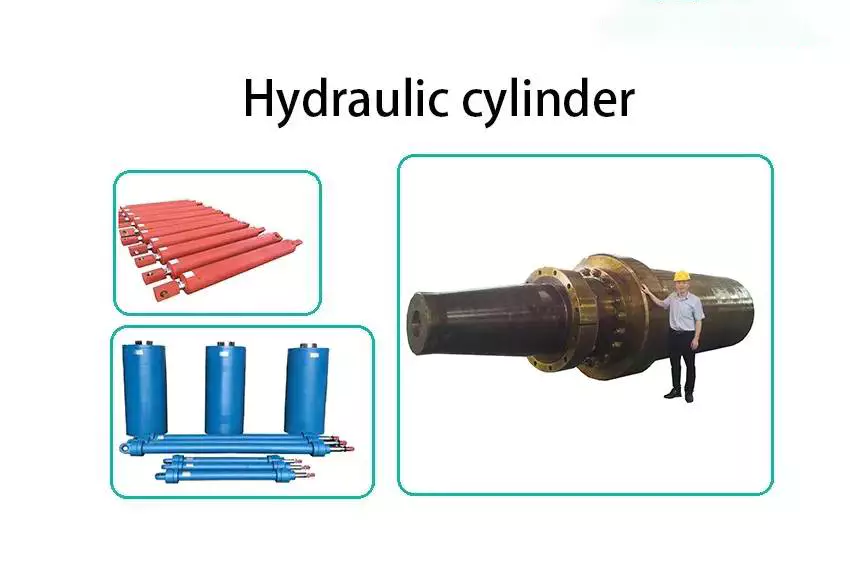
Can hydraulic cylinders be used for precise operations like CNC machining or molding?
Yes, hydraulic cylinders can be used for precise operations like CNC machining or molding. While hydraulic systems are commonly associated with heavy-duty applications, they can also provide the necessary precision and control required for precise operations in CNC machining and molding processes. Here’s a detailed explanation of how hydraulic cylinders can be utilized for such precise operations:
1. Force and Control:
– Hydraulic cylinders are capable of generating substantial force, which is essential for precise operations in CNC machining and molding. By using hydraulic pressure, the cylinders can deliver the required force to cut or shape materials accurately or exert pressure for molding operations. The hydraulic system allows precise control over the force applied, ensuring consistent and reliable performance.
2. Adjustable Speed and Positioning:
– Hydraulic cylinders offer adjustable speed and precise positioning capabilities, making them suitable for precise operations. By controlling the flow of hydraulic fluid, the speed of the cylinder’s movement can be adjusted according to specific requirements. This adaptability allows for fine-tuning the machining or molding process, achieving the desired precision in material removal or shaping. Hydraulic systems also enable accurate positioning of tools or molds, ensuring precise operations.
3. Integrated Feedback Systems:
– Advanced hydraulic systems can incorporate feedback sensors and control mechanisms to enhance precision in CNC machining and molding. These sensors provide real-time information about the position, speed, and force exerted by the hydraulic cylinders. The control system processes this data and adjusts the flow of hydraulic fluid accordingly, allowing for precise and accurate control over the operations. The feedback systems help maintain consistent performance and compensate for any deviations, ensuring high precision.
4. Damping and Vibration Control:
– Hydraulic cylinders can be equipped with damping mechanisms to minimize vibrations and ensure stability during CNC machining or molding operations. Vibrations can negatively impact precision by causing tool chatter or material deformation. By incorporating cushioning or damping features, hydraulic cylinders help absorb shocks and suppress vibrations, resulting in smoother and more accurate operations.
5. Customization and Adaptability:
– Hydraulic cylinders can be customized and adapted to meet the specific requirements of CNC machining or molding processes. Engineers can design cylinders with unique dimensions, stroke lengths, mounting options, and sealing arrangements to fit into equipment or systems with precise specifications. Customized hydraulic cylinders ensure optimal performance and compatibility for precise operations, enabling seamless integration into CNC machines or molding equipment.
6. Energy Efficiency:
– Hydraulic systems can be designed to be energy-efficient, contributing to cost savings in CNC machining or molding operations. By utilizing variable speed pumps, efficient control valves, and well-designed hydraulic circuits, energy consumption can be optimized. This efficiency reduces heat generation, leading to improved stability and precision in operations while minimizing energy costs.
7. Maintenance and Calibration:
– Regular maintenance and calibration of hydraulic systems are essential to maintain their precision in CNC machining or molding applications. Proper lubrication, inspection of seals, and replacement of worn-out components help ensure optimal performance. Regular calibration of control systems and feedback sensors ensures accurate readings and reliable operation, contributing to precision in machining or molding processes.
In summary, hydraulic cylinders can be effectively used for precise operations like CNC machining or molding. Their ability to generate substantial force, adjustable speed and positioning, integration with feedback systems, damping and vibration control, customization and adaptability, energy efficiency, and proper maintenance contribute to achieving the required precision in these operations. By leveraging the strengths of hydraulic systems, manufacturers can enhance the accuracy and reliability of CNC machining or molding processes, resulting in high-quality products and improved productivity.
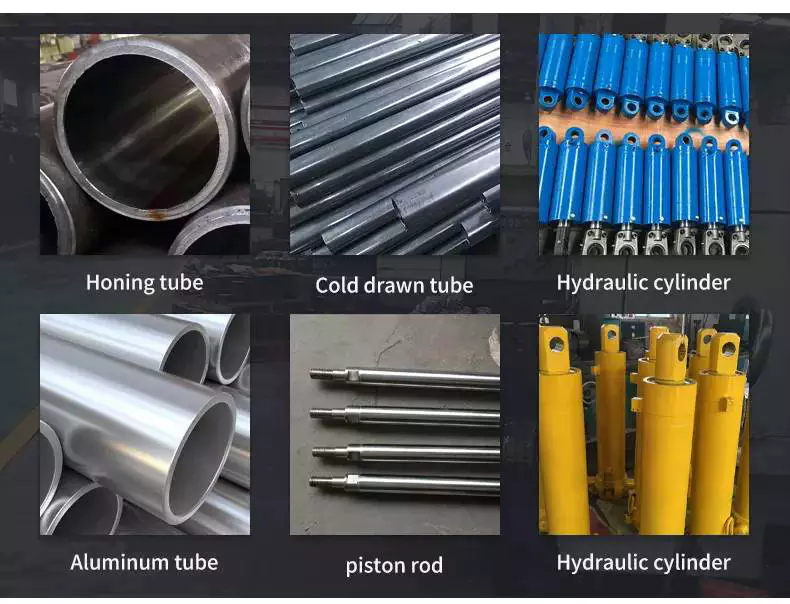
Ensuring Consistent Force Output for Repetitive Tasks with Hydraulic Cylinders
Hydraulic cylinders are designed to ensure consistent force output for repetitive tasks. This consistency is essential for maintaining precise control, achieving uniform results, and optimizing the performance of hydraulic systems. Let’s explore how hydraulic cylinders achieve consistent force output for repetitive tasks:
- Design and Manufacturing Standards: Hydraulic cylinders are manufactured to meet strict design and manufacturing standards. These standards ensure that the cylinders are built with precision and accuracy, enabling them to deliver consistent force output. The components, such as the piston, cylinder barrel, seals, and valves, are engineered to work together harmoniously, minimizing variations in force generation.
- Pressure Regulation: Hydraulic systems incorporate pressure regulation mechanisms to maintain a constant pressure level. Pressure relief valves, pressure regulators, and pressure-compensated pumps help maintain a consistent hydraulic pressure throughout the system. By regulating the pressure, hydraulic cylinders receive a consistent supply of pressurized fluid, resulting in consistent force output for repetitive tasks.
- Flow Control: Flow control valves are utilized in hydraulic systems to manage the flow rate of hydraulic fluid. These valves regulate the speed at which the fluid enters and exits the hydraulic cylinder, influencing the force output. By controlling the flow rate, hydraulic cylinders can achieve consistent force output for repetitive tasks. This is particularly important when it comes to tasks that require precise and uniform force application.
- Effective Seal Performance: Sealing systems play a crucial role in hydraulic cylinders by preventing fluid leakage and maintaining pressure integrity. High-quality seals and proper installation ensure effective sealing throughout the cylinder’s operation. By minimizing internal leakage, hydraulic cylinders can maintain consistent force output, even during repetitive tasks.
- Maintenance and Inspection: Regular maintenance and inspection of hydraulic cylinders are essential for ensuring consistent force output. By following maintenance schedules, replacing worn-out components, and monitoring cylinder performance, any potential issues that could affect force consistency can be identified and addressed promptly. This proactive approach helps maintain the reliability and performance of hydraulic cylinders over time.
In summary, hydraulic cylinders employ various mechanisms to ensure consistent force output for repetitive tasks. Adherence to design and manufacturing standards, pressure regulation, flow control, effective seal performance, and regular maintenance all contribute to achieving consistent force output. By maintaining precision, minimizing variations, and addressing potential issues, hydraulic cylinders provide reliable and consistent force generation, facilitating the successful completion of repetitive tasks in various applications.
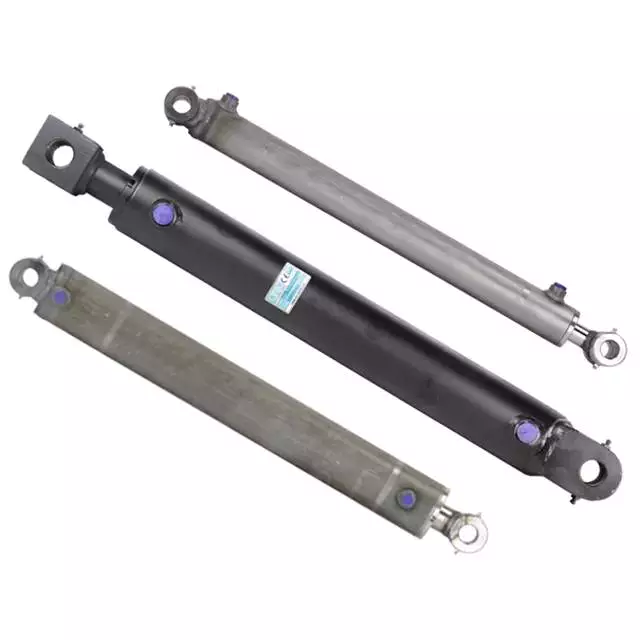
What factors should be considered when selecting the right hydraulic cylinder for an application?
When selecting the right hydraulic cylinder for an application, several important factors need to be considered. These factors help ensure that the chosen hydraulic cylinder is suitable for the specific requirements of the application and will perform reliably. Here are the key factors to consider:
1. Load Requirements:
– One of the crucial factors to consider is the load requirement of the application. Determine the maximum load that the hydraulic cylinder needs to handle. Consider both the static load (when the cylinder is stationary) and the dynamic load (when the cylinder is in motion). The load requirement will impact the cylinder’s bore size, rod diameter, and overall strength. Choose a hydraulic cylinder with a load capacity that exceeds the application’s maximum load to ensure safety and longevity.
2. Stroke Length:
– The stroke length refers to the distance the hydraulic cylinder needs to extend and retract to perform the desired motion. Measure the required stroke length based on the application’s operational requirements. It is essential to choose a hydraulic cylinder with a stroke length that matches or exceeds the required distance. Consider any potential variations or adjustments in the stroke length that may be needed in the future.
3. Operating Pressure:
– Consider the operating pressure required for the application. The hydraulic cylinder must be capable of withstanding the maximum pressure within the hydraulic system. Ensure that the selected cylinder has a pressure rating that exceeds the application’s maximum operating pressure. This ensures safety and prevents premature failure.
4. Speed Requirements:
– Determine the required speed of the hydraulic cylinder’s movement for the application. Consider both the extension and retraction speeds. Select a cylinder that can achieve the desired speed while maintaining precise control and stability. It is important to choose a cylinder that can handle the required speed without compromising performance or safety.
5. Mounting:
– Evaluate the available space and mounting requirements for the hydraulic cylinder. Consider the mounting type (such as flange, foot, trunnion, or clevis), the available mounting points, and any specific mounting constraints. Ensure that the selected cylinder can be easily and securely mounted in the desired location.
6. Environmental Factors:
– Assess the environmental conditions in which the hydraulic cylinder will operate. Consider factors such as temperature extremes, humidity, exposure to chemicals, dust, or corrosive substances. Choose a cylinder that is designed to withstand the specific environmental conditions of the application. This may involve selecting appropriate materials, coatings, or seals to ensure the longevity and performance of the cylinder.
7. Cylinder Configuration:
– Determine the appropriate cylinder configuration based on the application’s requirements. Consider factors such as single-acting or double-acting cylinders, telescopic cylinders for limited space, or custom configurations for unique applications. Evaluate the specific needs of the application to select the most suitable cylinder configuration.
8. Maintenance and Serviceability:
– Consider the maintenance and service requirements of the hydraulic cylinder. Evaluate factors such as ease of access for maintenance, availability of spare parts, and the reputation of the manufacturer or supplier in terms of customer support and after-sales service. Choosing a reliable and reputable brand can ensure ongoing support and availability of spare parts when needed.
9. Compliance and Standards:
– Depending on the industry and application, certain compliance standards may need to be met. Consider any industry-specific regulations, safety standards, or certifications that the hydraulic cylinder should comply with. Ensure that the selected cylinder meets the required standards and certifications for the application.
10. Cost and Budget:
– Finally, consider the cost and budget for the hydraulic cylinder. While it is important to select a cylinder that meets the application’s requirements, it is also necessary to consider the overall cost-effectiveness. Evaluate the initial purchase cost, long-term maintenance costs, and the expected lifespan of the cylinder. Balancing the cost and quality will help in selecting a hydraulic cylinder that provides the best value for the application.
By considering these factors in the selection process, it becomes possible to choose the right hydraulic cylinder that meets the specific requirements of the application in terms of load capacity, stroke length, operating pressure, speed, mounting, environmental conditions, maintenance needs, compliance, and cost-effectiveness. Proper selection ensures optimal performance, reliability, and longevity of the hydraulic cylinder in the intended application.


editor by Dream 2024-11-08