Product Description
JD brand medical oxygen cylinder
Model Number: ISO229-50-200
Material: Steel 34Crmo4
new seamless steel gas cylinder for N2,O2
Industrial nitrogen Gas
Pressure: High
Place of Origin: China (Mainland)
Brand Name: CHINAMFG seamless steel cylinder
Thickness of seamless:4.3mm
weight of seamless: 50kg
TP:200KG/CM2
PW:300KG/CM2
| 40L and 50L medical oxygen cylinders | |||||||
| Type | (mm) Outside Diameter |
(L) Water Capacity |
(mm) () Height (Withoutvalve) |
(Kg) (,) Weight(Without valve,cap) |
(Mpa) Working Pressure |
(mm) Design Wall Thickness |
مادة Grades |
| ISO232-40-150 | 219 | 40 | 1167 | 43 | 200 | 5.2 | 37Mn |
| ISO232-47-150 | 47 | 1351 | 49 | ||||
| ISO232-50-150 | 50 | 1430 | 51.6 | ||||
| ISO232-40-200 | 232 | 40 | 1156 | 44.9 | 200 | 5.2 | 34CrMo4 |
| ISO232-46.7-200 | 46.7 | 1333 | 51 | ||||
| ISO232-47-200 | 47 | 1341 | 51.3 | ||||
| ISO232-50-200 | 50 | 1420 | 54 | ||||
| EN232-40-210 | 232(TPED) | 40 | 1156 | 44.9 | 230 | 5.8 | 34CrMo4 |
| EN232-46.7-210 | 46.7 | 1333 | 51 | ||||
| EN232-47-210 | 47 | 1341 | 51.3 | ||||
| EN232-50-210 | 50 | 1420 | 54 | ||||
| EN232-40-230 | 40 | 1156 | 44.9 | 230 | 5.8 | 34CrMo4 | |
| EN232-46.7-230 | 46.7 | 1333 | 51 | ||||
| ISO232-47-230 | 47 | 1341 | 51.3 | ||||
| ISO232-50-230 | 50 | 1420 | 54 | ||||
| ISO267-40-150 | 267 | 40 | 922 | 43.3 | 150 | 5.8 | 37Mn |
| ISO267-50-150 | 50 | 1119 | 51.3 | ||||
| 50L (10M3) Oxygen cylinder record of hydrostatic test pressure time ≥ 60S | ||||||||
| S.N | Serial No. | ()The weight without valve&cap(kg) | Volumetric Capacity(L) | Total expansion(ml) | Permanent expansion(ml) | Percent of Permanent to totalexpanison(%) | Test Pressure 250Bar | Lot and Batch No. |
| 351 | 18Y571 001 | 56.4 | 50.2 | 215.1 | 3.1 | 1.4 | 300 | 18Y571 |
| 352 | 18Y571 002 | 56.5 | 50.4 | 208.5 | 3.0 | 1.4 | 300 | 18Y571 |
| 353 | 18Y571 003 | 56.4 | 50.2 | 212.2 | 2.8 | 1.3 | 300 | 18Y571 |
| 354 | 18Y571 004 | 56.2 | 50.0 | 214.9 | 3.0 | 1.4 | 300 | 18Y571 |
| 355 | 18Y571 005 | 56.3 | 50.2 | 212.2 | 2.8 | 1.3 | 300 | 18Y571 |
| 356 | 18Y571 006 | 56 | 50.0 | 219.8 | 2.9 | 1.3 | 300 | 18Y571 |
| 357 | 18Y571 007 | 56.3 | 50.1 | 213.5 | 2.8 | 1.3 | 300 | 18Y571 |
| 358 | 18Y571 008 | 56.1 | 50.4 | 210.5 | 3.2 | 1.5 | 300 | 18Y571 |
| 359 | 18Y571 009 | 56.1 | 50.5 | 212.1 | 2.8 | 1.3 | 300 | 18Y571 |
| 360 | 18Y571 571 | 55.9 | 50.7 | 203.5 | 3.1 | 1.5 | 300 | 18Y571 |
| 361 | 18Y571 011 | 56.1 | 50.0 | 214.9 | 2.8 | 1.3 | 300 | 18Y571 |
| 362 | 18Y571 012 | 56.6 | 50.4 | 210.5 | 3.2 | 1.5 | 300 | 18Y571 |
| 363 | 18Y571 013 | 55.9 | 50.2 | 211.2 | 2.7 | 1.3 | 300 | 18Y571 |
| 364 | 18Y571 014 | 55.8 | 50.2 | 211.2 | 3.1 | 1.5 | 300 | 18Y571 |
| 365 | 18Y571 015 | 55.9 | 50.1 | 211.6 | 2.8 | 1.3 | 300 | 18Y571 |
| 366 | 18Y571 016 | 55.6 | 50.0 | 213.9 | 3.2 | 1.5 | 300 | 18Y571 |
| 367 | 18Y571 017 | 56.1 | 50.0 | 213.9 | 2.8 | 1.3 | 300 | 18Y571 |
| 368 | 18Y571 018 | 56.3 | 50.0 | 213.9 | 3.0 | 1.4 | 300 | 18Y571 |
| 369 | 18Y571 019 | 56.1 | 50.6 | 205.8 | 3.2 | 1.6 | 300 | 18Y571 |
| 370 | 18Y571 571 | 55.8 | 50.3 | 209.9 | 2.6 | 1.2 | 300 | 18Y571 |
| 371 | 18Y571 571 | 55.7 | 50.0 | 213.9 | 3.1 | 1.4 | 300 | 18Y571 |
| 372 | 18Y571 571 | 55.7 | 50.1 | 212.6 | 2.8 | 1.3 | 300 | 18Y571 |
| 373 | 18Y571 571 | 56 | 50.1 | 211.6 | 2.8 | 1.3 | 300 | 18Y571 |
| 374 | 18Y571 571 | 56.5 | 50.1 | 214.5 | 2.8 | 1.3 | 300 | 18Y571 |
| 375 | 18Y571 571 | 56.1 | 50.3 | 210.8 | 2.8 | 1.3 | 300 | 18Y571 |
| 376 | 18Y571 026 | 56.2 | 50.3 | 210.8 | 3.2 | 1.5 | 300 | 18Y571 |
| 377 | 18Y571 571 | 56.3 | 50.0 | 214.9 | 3.1 | 1.4 | 300 | 18Y571 |
| 378 | 18Y571 571 | 56 | 50.2 | 212.2 | 2.9 | 1.4 | 300 | 18Y571 |
| 379 | 18Y571 571 | 56.7 | 50.2 | 211.2 | 3.0 | 1.4 | 300 | 18Y571 |
| 380 | 18Y571 030 | 56.1 | 50.1 | 213.5 | 2.6 | 1.2 | 300 | 18Y571 |
| 381 | 18Y571 031 | 55.9 | 50.0 | 213.9 | 2.8 | 1.3 | 300 | 18Y571 |
| 382 | 18Y571 032 | 55.9 | 54.0 | 163.8 | 2.6 | 1.6 | 300 | 18Y571 |
| 383 | 18Y571 033 | 56.3 | 50.1 | 212.6 | 2.8 | 1.3 | 300 | 18Y571 |
| 384 | 18Y571 034 | 55.9 | 50.5 | 207.1 | 3.2 | 1.5 | 300 | 18Y571 |
| 385 | 18Y571 035 | 56.3 | 50.3 | 210.8 | 3.0 | 1.4 | 300 | 18Y571 |
| 386 | 18Y571 036 | 56.3 | 50.4 | 208.5 | 2.8 | 1.3 | 300 | 18Y571 |
| 387 | 18Y571 037 | 55.7 | 50.3 | 211.8 | 2.7 | 1.3 | 300 | 18Y571 |
| 388 | 18Y571 038 | 56 | 50.0 | 217.9 | 2.8 | 1.3 | 300 | 18Y571 |
| 389 | 18Y571 039 | 56.1 | 50.0 | 212.9 | 3.1 | 1.5 | 300 | 18Y571 |
| 390 | 18Y571 040 | 56.2 | 50.2 | 211.2 | 2.8 | 1.3 | 300 | 18Y571 |
| 391 | 18Y571 041 | 56.6 | 50.6 | 205.8 | 2.6 | 1.3 | 300 | 18Y571 |
| 392 | 18Y571 042 | 56.4 | 50.1 | 212.6 | 3.3 | 1.6 | 300 | 18Y571 |
| 393 | 18Y571 043 | 56.2 | 50.2 | 213.2 | 2.6 | 1.2 | 300 | 18Y571 |
| 394 | 18Y571 044 | 55.8 | 50.4 | 208.5 | 2.7 | 1.3 | 300 | 18Y571 |
| 395 | 18Y571 045 | 55.7 | 50.0 | 213.9 | 2.8 | 1.3 | 300 | 18Y571 |
| 396 | 18Y571 046 | 56.4 | 50.0 | 213.9 | 3.3 | 1.5 | 300 | 18Y571 |
| 397 | 18Y571 047 | 56.1 | 50.2 | 213.2 | 3.2 | 1.5 | 300 | 18Y571 |
| 398 | 18Y571 048 | 56.2 | 50.0 | 213.9 | 2.7 | 1.3 | 300 | 18Y571 |
| 399 | 18Y571 049 | 56.4 | 50.1 | 214.5 | 3.1 | 1.4 | 300 | 18Y571 |
| 400 | 18Y571 050 | 56 | 50.4 | 210.5 | 3.2 | 1.5 | 300 | 18Y571 |
100% new high quality seamless steel pipe from Bao Shan Iron co.,ltd (Baosteel).
Total 5 working line make 3000pcs per day for oxygen gas cylinder, argon gas cylinder, helium gas cylinder, Nitrogen gas cylinder , Co2 gas cylinder, N2O gas cylinder..etc
China top 1 advanced heat treatment machine. And China top 1 internal polishing machine to make high purity gas cylinder with 99.999% oxygen gas, helium gas, N2O gas and argon gas….
100% Hydrostatic prssure test and leakage test to keep the quality
Advanced automatic spraying working line make the spraying at high top quality , no any bubble , without shrinkage and distoration .
Japan imported shoulder marking machine make it the most qualified ones .
DSW seamless gas cylinder have nice appearance shoulders because we use shape-correction machine treatment make the cylinder shoulder most beautiful shape which other supplier can’t be compared.
Laboratory test standard ISO9809-3 and ISO9809-1, DOT-3AA, EN1964,GB5099 ..etc
Place of Origin: China
| Function: | Storage Pressure Vessel |
|---|---|
| Application: | Gas |
| مادة: | Stainless Steel |
| Pressure: | 150bar |
| Storage Medium: | Carbon Monoxide |
| Pressure Level: | High Pressure (10.0MPa≤p<100.0MPa) |
| Customization: |
Available
|
|
|---|
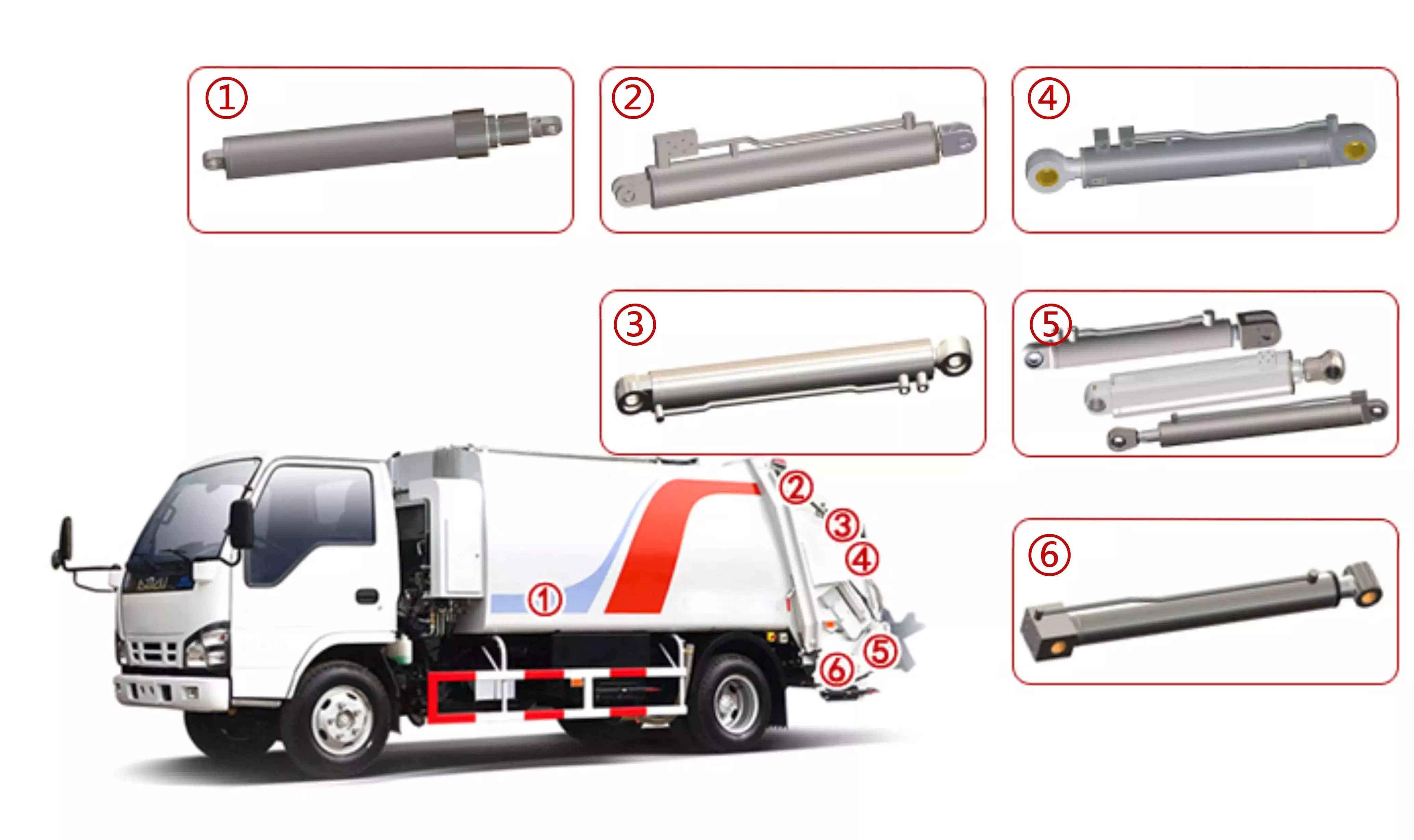
Can hydraulic cylinders be integrated with advanced control systems and automation?
Yes, hydraulic cylinders can be integrated with advanced control systems and automation technologies to enhance their functionality, precision, and overall performance. The integration of hydraulic cylinders with advanced control systems allows for more sophisticated and precise control over their operation, enabling automation and intelligent control. Here’s a detailed explanation of how hydraulic cylinders can be integrated with advanced control systems and automation:
1. Electronic Control:
– Hydraulic cylinders can be equipped with electronic sensors and transducers to provide real-time feedback on their position, force, pressure, or velocity. These sensors can be integrated with advanced control systems, such as programmable logic controllers (PLCs) or distributed control systems (DCS), to monitor and control the operation of hydraulic cylinders. By integrating electronic control, the position, speed, and force of hydraulic cylinders can be precisely monitored and adjusted, allowing for more accurate and automated control.
2. Closed-Loop Control:
– Closed-loop control systems use feedback from sensors to continuously monitor and adjust the operation of hydraulic cylinders. By integrating hydraulic cylinders with closed-loop control systems, precise control over position, velocity, and force can be achieved. Closed-loop control enables the system to automatically compensate for variations, external disturbances, or changes in operating conditions, ensuring accurate and consistent performance. This integration is particularly beneficial in applications that require precise positioning, synchronization, or force control.
3. Proportional and Servo Control:
– Hydraulic cylinders can be integrated with proportional and servo control systems to achieve finer control over their operation. Proportional control systems use proportional valves to regulate the flow and pressure of hydraulic fluid, allowing for precise adjustment of cylinder speed and force. Servo control systems, on the other hand, combine feedback sensors, high-performance valves, and advanced control algorithms to achieve extremely precise control over hydraulic cylinders. Proportional and servo control integration enhances the responsiveness, accuracy, and dynamic performance of hydraulic cylinders.
4. Human-Machine Interface (HMI):
– Hydraulic cylinders integrated with advanced control systems can be operated and monitored through human-machine interface (HMI) devices. HMIs provide a graphical user interface that allows operators to interact with the control system, monitor cylinder performance, and adjust parameters. HMIs enable operators to set desired positions, forces, or velocities, and visualize the real-time feedback from sensors. This integration simplifies the operation and monitoring of hydraulic cylinders, making them more user-friendly and facilitating seamless integration into automated systems.
5. Communication and Networking:
– Hydraulic cylinders can be integrated into communication and networking systems, enabling them to be part of a larger automated system. Integration with industrial communication protocols, such as Ethernet/IP, Profibus, or Modbus, allows for seamless information exchange between the hydraulic cylinders and other system components. This integration enables centralized control, data logging, remote monitoring, and coordination with other automated processes. Communication and networking integration enhance the overall efficiency, coordination, and integration of hydraulic cylinders within complex automation systems.
6. Automation and Sequential Control:
– By integrating hydraulic cylinders with advanced control systems, they can be seamlessly incorporated into automated processes and sequential control operations. The control system can execute predefined sequences or programmed logic to control the operation of hydraulic cylinders based on specific conditions, inputs, or timing. This integration enables the automation of complex tasks, such as material handling, assembly operations, or repetitive motions. Hydraulic cylinders can be synchronized with other actuators, sensors, or devices, allowing for coordinated and automated operation in various industrial applications.
7. Predictive Maintenance and Condition Monitoring:
– Advanced control systems can also enable predictive maintenance and condition monitoring for hydraulic cylinders. By integrating sensors and monitoring capabilities, the control system can continuously monitor the performance, health, and condition of hydraulic cylinders. This integration allows for the detection of abnormalities, wear, or potential failures in real-time. Predictive maintenance strategies can be implemented based on the collected data, optimizing maintenance schedules, reducing downtime, and enhancing the overall reliability of hydraulic systems.
In summary, hydraulic cylinders can be integrated with advanced control systems and automation technologies to enhance their functionality, precision, and performance. The integration allows for electronic control, closed-loop control, proportional and servo control, human-machine interface (HMI) interaction, communication and networking, automation and sequential control, as well as predictive maintenance and condition monitoring. These integrations enable more precise control, automation, improved efficiency, and optimized performance of hydraulic cylinders in various industrial applications.
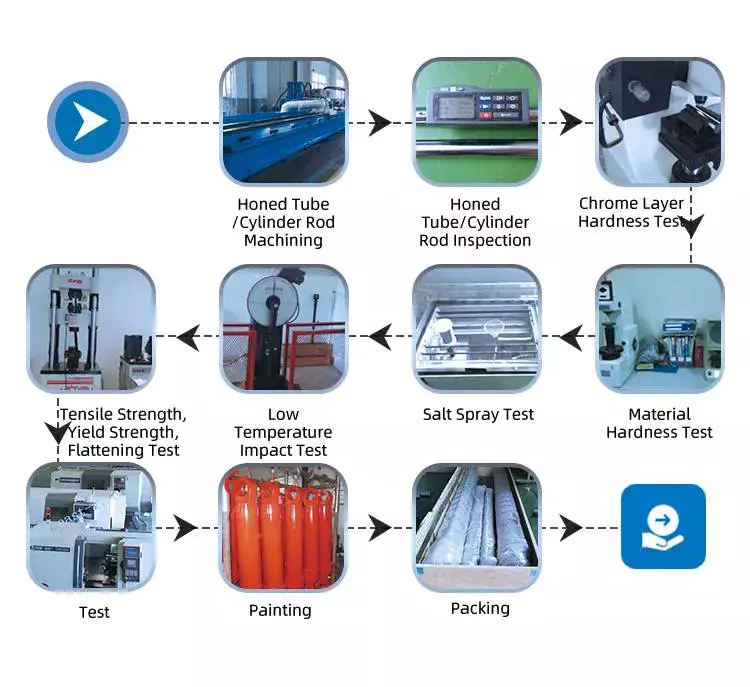
التعامل مع تحديات اللزوجة المختلفة للسوائل في الأسطوانات الهيدروليكية
صُممت الأسطوانات الهيدروليكية للتعامل مع التحديات المرتبطة باختلاف لزوجة السوائل. تختلف لزوجة السائل الهيدروليكي باختلاف درجة الحرارة ونوع السائل المستخدم وعوامل أخرى. تحتاج الأنظمة الهيدروليكية إلى استيعاب هذه الاختلافات لضمان الأداء والكفاءة الأمثل. دعونا نستكشف كيفية تعامل الأسطوانات الهيدروليكية مع تحديات اختلاف لزوجة السوائل:
- اختيار السوائل: صُممت الأسطوانات الهيدروليكية للعمل مع مجموعة متنوعة من السوائل الهيدروليكية، ولكل منها خصائص لزوجة خاصة. يُعد اختيار السائل المناسب باللزوجة المطلوبة أمرًا بالغ الأهمية لضمان الأداء الأمثل. يقدم المصنعون إرشادات حول نطاق اللزوجة الموصى به لأنظمة وأسطوانات هيدروليكية محددة. باختيار السائل المناسب، تستطيع الأسطوانات الهيدروليكية التعامل بفعالية مع تحديات اختلاف لزوجة السوائل.
- تعويض اللزوجة: غالبًا ما تتضمن الأنظمة الهيدروليكية خصائص لتعويض تباينات لزوجة السوائل. على سبيل المثال، تستخدم بعض الأنظمة الهيدروليكية صمامات تعويض الضغط التي تضبط معدل التدفق بناءً على لزوجة السائل. يضمن هذا التعويض أداءً ثابتًا في مختلف ظروف التشغيل ودرجات لزوجة السوائل. تعمل الأسطوانات الهيدروليكية بالتزامن مع آليات التعويض هذه للحفاظ على الدقة والتحكم، بغض النظر عن لزوجة السائل.
- التحكم في درجة الحرارة: تعتمد لزوجة السوائل بشكل كبير على درجة الحرارة. تستخدم الأسطوانات الهيدروليكية آليات متنوعة للتحكم في درجة الحرارة لمواجهة التحديات التي تفرضها تغيرات اللزوجة الناتجة عن درجة الحرارة. تُستخدم المبادلات الحرارية والمبردات والصمامات الحرارية عادةً لتنظيم درجة حرارة السائل الهيدروليكي داخل النظام. من خلال التحكم في درجة حرارة السائل، تحافظ الأسطوانات الهيدروليكية على نطاق اللزوجة المطلوب، مما يضمن تشغيلًا موثوقًا وفعالًا.
- الترشيح الفعال: يمكن أن تؤثر الملوثات الموجودة في السائل الهيدروليكي على لزوجته وأدائه العام. تتضمن الأنظمة الهيدروليكية أنظمة ترشيح فعّالة لإزالة الجسيمات والشوائب من السائل. يضمن تنظيف السائل باللزوجة المناسبة الأداء الأمثل لأسطوانات الهيدروليكية. تُعد الصيانة الدورية واستبدال الفلاتر أمرًا ضروريًا للحفاظ على اللزوجة المطلوبة للسائل ومنع حدوث مشاكل متعلقة بتلوثه.
- التزييت المناسب: يمكن أن تؤثر اختلافات لزوجة السوائل على خصائص التزييت داخل الأسطوانات الهيدروليكية. يُعد التزييت ضروريًا لتقليل الاحتكاك والتآكل بين الأجزاء المتحركة. تستخدم الأنظمة الهيدروليكية زيوت تشحيم مُصممة خصيصًا لنطاق لزوجة السوائل المتوقع. يضمن التزييت الجيد تشغيلًا سلسًا ويطيل عمر الأسطوانات الهيدروليكية، حتى مع اختلاف لزوجة السوائل.
باختصار، تستخدم الأسطوانات الهيدروليكية استراتيجيات متنوعة للتعامل مع التحديات المرتبطة باختلاف لزوجة السوائل. باختيار السوائل المناسبة، ودمج آليات تعويض اللزوجة، والتحكم في درجة الحرارة، وتطبيق ترشيح فعال، وضمان التزييت المناسب، تستطيع الأسطوانات الهيدروليكية استيعاب التغيرات في لزوجة السوائل. تُمكّن هذه الإجراءات الأنظمة الهيدروليكية من تحقيق أداء ثابت، وتحكم دقيق، وتشغيل فعال في مختلف نطاقات لزوجة السوائل.
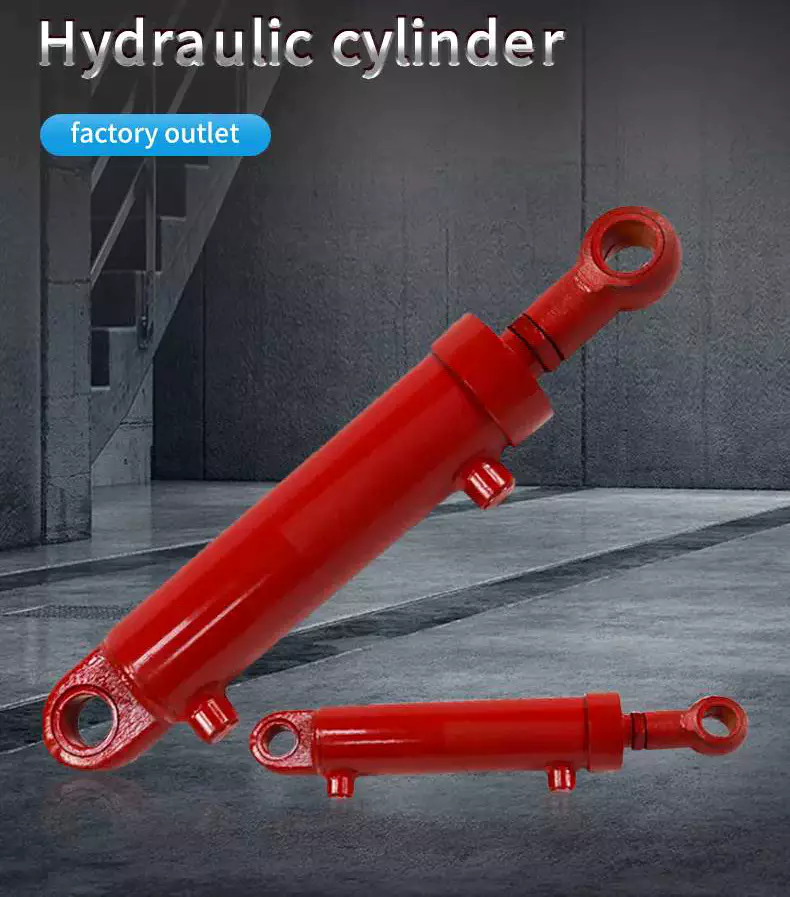
What safety precautions should be followed when working with hydraulic cylinders?
Working with hydraulic cylinders requires strict adherence to safety precautions to prevent accidents, injuries, and damage to equipment or property. Hydraulic systems operate under high pressures and involve moving parts, which can pose serious hazards if not handled properly. Here’s a detailed explanation of the safety precautions that should be followed when working with hydraulic cylinders:
1. Training and Knowledge:
– Ensure that personnel working with hydraulic cylinders have received adequate training and possess a thorough understanding of hydraulic system operation, maintenance, and safety protocols. Proper training should cover topics such as hydraulic principles, pressure ratings, safe work practices, and emergency procedures. Only trained and authorized personnel should be allowed to handle hydraulic cylinders.
2. Wear Personal Protective Equipment (PPE):
– Always wear appropriate personal protective equipment when working with hydraulic cylinders. This may include safety glasses, gloves, protective clothing, and steel-toed boots. PPE helps protect against potential hazards, such as hydraulic fluid leaks, flying debris, or accidental contact with moving parts.
3. Hydraulic System Inspection:
– Before working with hydraulic cylinders, inspect the entire hydraulic system for any signs of damage, leaks, or loose connections. Check hydraulic hoses, fittings, valves, and cylinders for integrity and secure fastening. If any issues are detected, the system should be repaired or serviced before operation.
4. Relieve Pressure:
– Before performing any maintenance or disassembly on a hydraulic cylinder, it is crucial to relieve the pressure in the system. Follow the manufacturer’s instructions to properly release pressure and ensure that the hydraulic cylinder is depressurized before starting any work. Failure to do so can result in sudden and uncontrolled movement of the cylinder or hydraulic lines, leading to serious injuries.
5. Lockout/Tagout Procedures:
– Implement lockout/tagout procedures to prevent accidental energization of the hydraulic system while maintenance or repair work is being conducted. Lockout/tagout involves isolating the energy source, such as shutting off the hydraulic pump and locking or tagging the controls to prevent unauthorized operation. This procedure ensures that the hydraulic cylinder remains in a safe, non-operational state during maintenance activities.
6. Use Proper Lifting Techniques:
– When working with heavy hydraulic cylinders or components, use proper lifting techniques and equipment to avoid strain or injury. Hydraulic cylinders can be heavy and awkward to handle, so ensure that lifting equipment, such as cranes or hoists, is properly rated and used correctly. Follow safe lifting practices, including securing the load and maintaining a stable lifting posture.
7. Hydraulic Fluid Handling:
– Handle hydraulic fluid with care and follow proper procedures for fluid filling, transfer, and disposal. Avoid contact with the skin or eyes, as hydraulic fluid may be hazardous. Use appropriate containers and equipment to prevent spills or leaks. If any hydraulic fluid comes into contact with the skin or eyes, rinse thoroughly with water and seek medical attention if necessary.
8. Regular Maintenance:
– Perform regular maintenance and inspections on hydraulic cylinders to ensure their safe and reliable operation. This includes checking for leaks, inspecting seals, monitoring fluid levels, and conducting periodic servicing as recommended by the manufacturer. Proper maintenance helps prevent unexpected failures and ensures the continued safe use of hydraulic cylinders.
9. Follow Manufacturer Guidelines:
– Always follow the manufacturer’s guidelines, instructions, and recommendations for the specific hydraulic cylinders and equipment being used. Manufacturers provide important safety information, maintenance schedules, and operational guidelines that should be strictly adhered to for safe and optimal performance.
10. Emergency Preparedness:
– Be prepared for potential emergencies by having appropriate safety equipment, such as fire extinguishers, first aid kits, and emergency eyewash stations, readily available. Establish clear communication channels and emergency response procedures to promptly address any accidents, leaks, or injuries that may occur during hydraulic cylinder operations.
By following these safety precautions, individuals working with hydraulic cylinders can minimize the risk of accidents, injuries, and property damage. It is essential to prioritize safety, maintain awareness of potential hazards, and ensure compliance with relevant safety regulations and industry standards.


editor by CX 2023-12-13