Product Description
Wholesale Hot selling Double Action Stainless Marine Hydraulic Grapple Cylinder Factory price
Product Description
Works Hydraulic Technology(HangZhou)Co.,Ltd is famous for its hydraulic equipment and hydraulic system. Since the establishment, it deeply rooted in the hydraulic, electric control and mechanical related industries, focusing on the research and development, production, sales of electromechanical and hydraulic products.
Otherwise, it adapts to the market demand and provides useds with comprehensive electromechanical and hydraulic products and services in more than 10 industries, including metallurgy, aviation, engineering machinery, water conservancy and hydro power, machine tools, pharmaceuticals, logistics, plastics, etc. Starting from the market applications of hydraulic, electronic control and mechanical engineering, it has successfully completed hundreds of sets of hydraulic systems, lubrication system engineering and hydraulic cylinders for many domestic and overseas customers.
معلمات المنتج
| Wholesale Hot selling Double Action Stainless Marine Hydraulic Grapple Cylinder Factory price | |
| Bore size | 40-1500mm, customized |
| Shaft diameter | 12-1000mm, customized |
| سكتة دماغية | 20-16000mm, customized |
| Working media | Hydraulic oil |
| Working pressure | 16-70MPa(2250PSI-10150PSI) |
| Temperature range | -20ºC~+80ºC |
| Structure | Piston type, plunger type, telescopic type |
| Cylinder body material | ST52, stainless steel 304/316, etc. |
| Seal type | Single acting/double acting |
| Corrosion resistance | High |
| Mounting style | Earrings, flange, foot, trunnion, cross tube |
| طلب | engineering machinery, mine, shipping, metallurgy, water conservancy, offshore, agriculture, etc. |
Product Features
Robust Construction: The hydraulic cylinder is built with high-quality materials to withstand heavy loads and harsh environmental conditions.
Compact Design: It features a compact and space-saving design, making it suitable for installation in shipping containers without compromising the
available space.
Precise Control: The cylinder offers precise control over the opening and closing of container doors, allowing for easy and efficient cargo handling.
High Durability: It is engineered to deliver long-lasting performance, reducing maintenance requirements and downtime.
Easy Installation: The cylinder is designed for easy installation and integration into existing container systems.
Reliable Sealing: It incorporates reliable sealing mechanisms to prevent leakage and ensure efficient operation.
Detailed Photos
طلب
Hydraulic cylinders are widely used in engineering machinery, molds, automobiles, mines, metallurgy, aviation, ships, agriculture, construction, environmental protection and other industries.
Company Profile
HangZhou Packway Technology Development Co., LTD, Founded in March 2005, has been at the forefront of innovation, constantly striving to develop cutting-edge technologies and solutions. We currently operate 3 subsidiary companies, each connected with different sectors of the machinery market.
History of the 3 branches:
HangZhou Superworker Technology Co., LTD, established in June 2011, is an innovative enterprise specialized in industrial packaging. The main products and services include: automatic mechanical equipment (steel belt /PET belt strapping machine, clipping belt machine, marking spray machine, labeling machine, etc.), intelligent industrial packaging unit (coil, wire, plate, etc.), intelligent coil logistics system, transformation and upgrading services of similar products, repair and maintenance services of related equipment, supply of wearing parts and consumables. The SUPERWORKER has strong R&D strength and Customers from both domestic and international markets.
With the wide application of automation equipment, HangZhou Dagongren Electric Cylinder Technology Co., Ltd came into being in 2014. We are engaged in designing and manufacturing linear motion products, including servo/stepper motor electric cylinders, linear actuators, multi-degree of freedom platforms, synchronization lifting platforms, VR simulators, etc, with features of high positioning accuracy, low noise, and long life. Our products have been widely used in automated warehousing, robotics, automation equipment, medical equipment, and AGV, vehicles, etc.
Works Hydraulic Technology (HangZhou) Co..Ltd, deeply rooted in the hydraulic, electronic control, and mechanical related industries, focuses on the research and development, production, and sales of electromechanical and hydraulic products. With a professional approach to providing personalized solutions for customers as the main model. Works mainly produces various hydraulic equipment, lubrication equipment, electronic control systems, hydraulic cylinders, and other products.
Packaging & Shipping
Multiple layers packaging, ensure customers receiving the best products.
/* January 22, 2571 19:08:37 */!function(){function s(e,r){var a,o={};try{e&&e.split(“,”).forEach(function(e,t){e&&(a=e.match(/(.*?):(.*)$/))&&1
| Certification: | CE, ISO9001 |
|---|---|
| Pressure: | High Pressure |
| Work Temperature: | High Temperature |
| Acting Way: | Double Acting |
| Working Method: | Straight Trip |
| Adjusted Form: | Regulated Type |
| Customization: |
Available
|
|
|---|
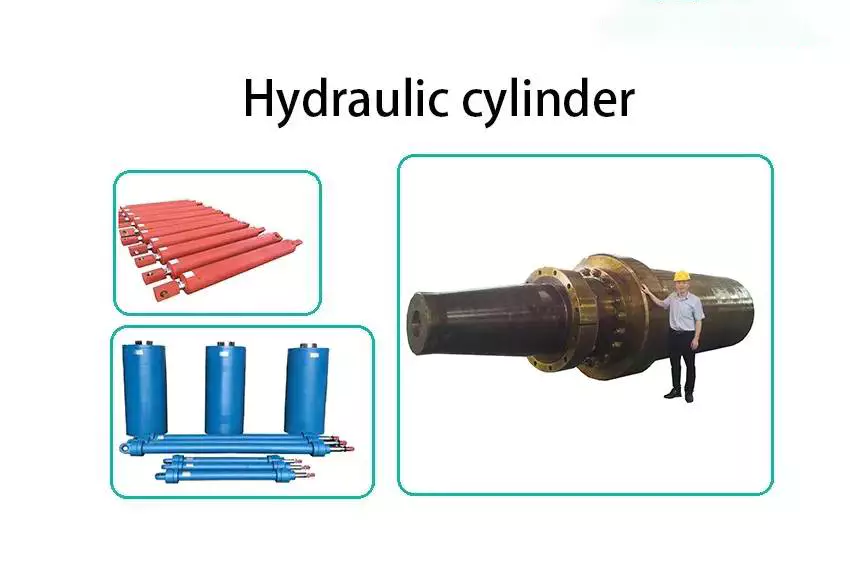
Can hydraulic cylinders be used for precise operations like CNC machining or molding?
Yes, hydraulic cylinders can be used for precise operations like CNC machining or molding. While hydraulic systems are commonly associated with heavy-duty applications, they can also provide the necessary precision and control required for precise operations in CNC machining and molding processes. Here’s a detailed explanation of how hydraulic cylinders can be utilized for such precise operations:
1. Force and Control:
– Hydraulic cylinders are capable of generating substantial force, which is essential for precise operations in CNC machining and molding. By using hydraulic pressure, the cylinders can deliver the required force to cut or shape materials accurately or exert pressure for molding operations. The hydraulic system allows precise control over the force applied, ensuring consistent and reliable performance.
2. Adjustable Speed and Positioning:
– Hydraulic cylinders offer adjustable speed and precise positioning capabilities, making them suitable for precise operations. By controlling the flow of hydraulic fluid, the speed of the cylinder’s movement can be adjusted according to specific requirements. This adaptability allows for fine-tuning the machining or molding process, achieving the desired precision in material removal or shaping. Hydraulic systems also enable accurate positioning of tools or molds, ensuring precise operations.
3. Integrated Feedback Systems:
– Advanced hydraulic systems can incorporate feedback sensors and control mechanisms to enhance precision in CNC machining and molding. These sensors provide real-time information about the position, speed, and force exerted by the hydraulic cylinders. The control system processes this data and adjusts the flow of hydraulic fluid accordingly, allowing for precise and accurate control over the operations. The feedback systems help maintain consistent performance and compensate for any deviations, ensuring high precision.
4. Damping and Vibration Control:
– Hydraulic cylinders can be equipped with damping mechanisms to minimize vibrations and ensure stability during CNC machining or molding operations. Vibrations can negatively impact precision by causing tool chatter or material deformation. By incorporating cushioning or damping features, hydraulic cylinders help absorb shocks and suppress vibrations, resulting in smoother and more accurate operations.
5. Customization and Adaptability:
– Hydraulic cylinders can be customized and adapted to meet the specific requirements of CNC machining or molding processes. Engineers can design cylinders with unique dimensions, stroke lengths, mounting options, and sealing arrangements to fit into equipment or systems with precise specifications. Customized hydraulic cylinders ensure optimal performance and compatibility for precise operations, enabling seamless integration into CNC machines or molding equipment.
6. Energy Efficiency:
– Hydraulic systems can be designed to be energy-efficient, contributing to cost savings in CNC machining or molding operations. By utilizing variable speed pumps, efficient control valves, and well-designed hydraulic circuits, energy consumption can be optimized. This efficiency reduces heat generation, leading to improved stability and precision in operations while minimizing energy costs.
7. Maintenance and Calibration:
– Regular maintenance and calibration of hydraulic systems are essential to maintain their precision in CNC machining or molding applications. Proper lubrication, inspection of seals, and replacement of worn-out components help ensure optimal performance. Regular calibration of control systems and feedback sensors ensures accurate readings and reliable operation, contributing to precision in machining or molding processes.
In summary, hydraulic cylinders can be effectively used for precise operations like CNC machining or molding. Their ability to generate substantial force, adjustable speed and positioning, integration with feedback systems, damping and vibration control, customization and adaptability, energy efficiency, and proper maintenance contribute to achieving the required precision in these operations. By leveraging the strengths of hydraulic systems, manufacturers can enhance the accuracy and reliability of CNC machining or molding processes, resulting in high-quality products and improved productivity.
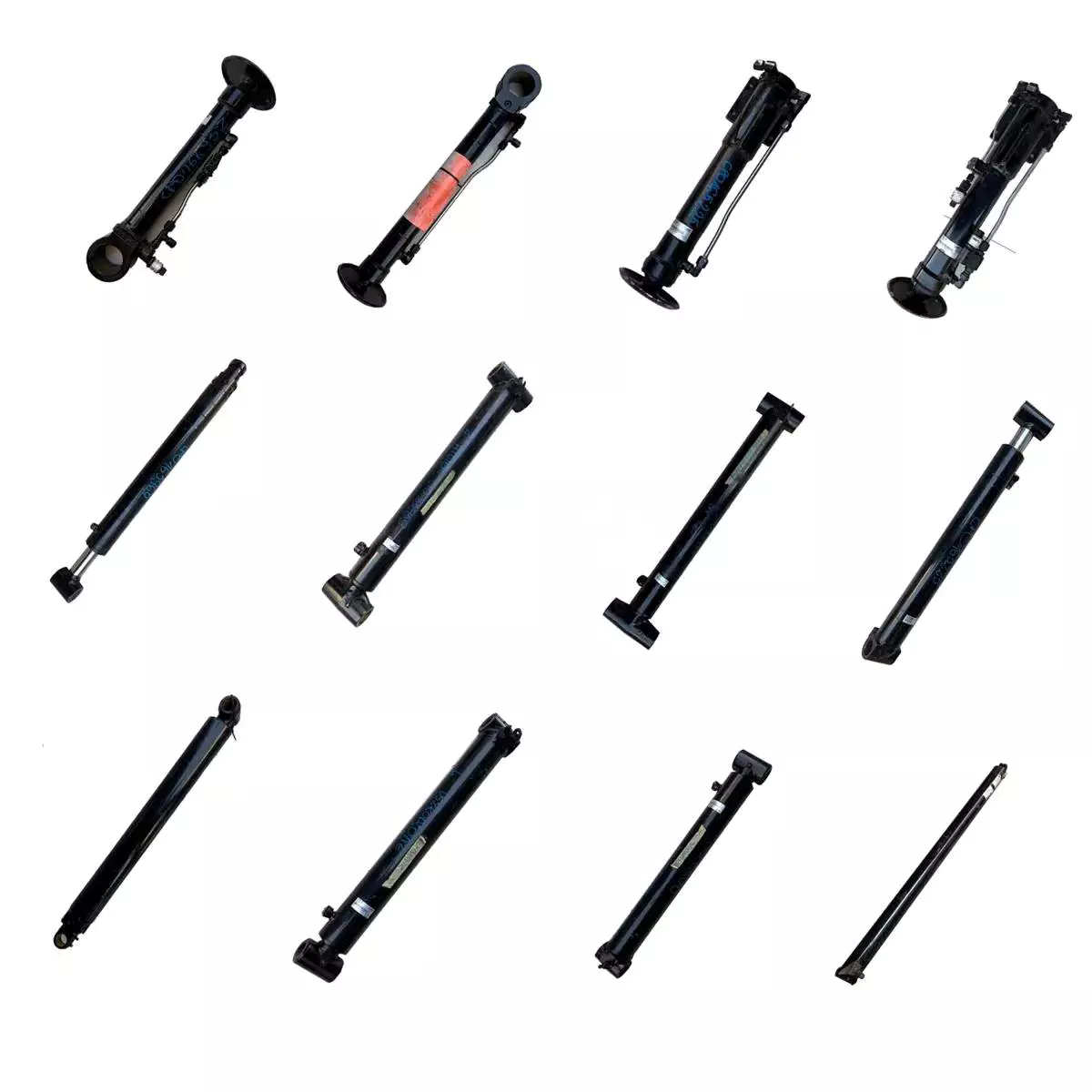
Ensuring Controlled and Safe Force Application in Heavy Machinery with Hydraulic Cylinders
Hydraulic cylinders play a critical role in heavy machinery by ensuring controlled and safe force application. The ability to exert and control high forces is essential for heavy machinery operations, such as lifting, pressing, pushing, or pulling heavy loads. Let’s explore how hydraulic cylinders ensure controlled and safe force application in heavy machinery:
- Force Control: Hydraulic cylinders provide precise force control capabilities. The hydraulic system’s pressure can be adjusted to regulate the force exerted by the cylinder. This control allows operators to apply the necessary force for a specific task while ensuring it remains within safe limits. By accurately controlling the force, hydraulic cylinders help prevent excessive force that could damage the machinery or compromise the safety of the operation.
- Load Balancing: In heavy machinery, multiple hydraulic cylinders are often used in conjunction to distribute and balance the applied force. By using multiple cylinders, the load can be evenly distributed across the machinery, minimizing stress concentrations and ensuring controlled force application. This load balancing approach enhances the stability and safety of the machinery, preventing uneven loading that could lead to structural issues or instability.
- Safety Valves: Hydraulic systems in heavy machinery are equipped with safety valves to protect against excessive force or overloading. Safety valves are designed to release hydraulic fluid from the cylinder when the force exceeds a predetermined threshold. This prevents the force from reaching dangerous levels, safeguarding the machinery and preventing potential accidents or damage. Safety valves provide an additional layer of safety and ensure controlled force application even in unexpected circumstances.
- Pressure Relief Systems: Hydraulic cylinders incorporate pressure relief systems to further enhance safety. These systems are designed to relieve excess pressure in the hydraulic system, which could occur due to factors such as thermal expansion or system malfunctions. By relieving excess pressure, the pressure relief systems prevent sudden and uncontrolled force surges, maintaining safe and controlled force application in heavy machinery.
- Structural Integrity: Hydraulic cylinders are designed to withstand the high forces and loads associated with heavy machinery applications. The cylinders are constructed using robust materials, such as high-strength steel, and undergo rigorous testing to ensure their structural integrity. This ensures that the cylinders can safely handle the forces applied during heavy machinery operations without experiencing failures or deformations that could compromise the safety and controlled force application.
In summary, hydraulic cylinders ensure controlled and safe force application in heavy machinery through force control, load balancing, safety valves, pressure relief systems, and robust structural design. These features and design considerations enable operators to exert the necessary force while maintaining safety and preventing excessive loads or force surges. By incorporating hydraulic cylinders into heavy machinery, manufacturers can achieve controlled force application, enhance operational safety, and protect the machinery from damage or failure.
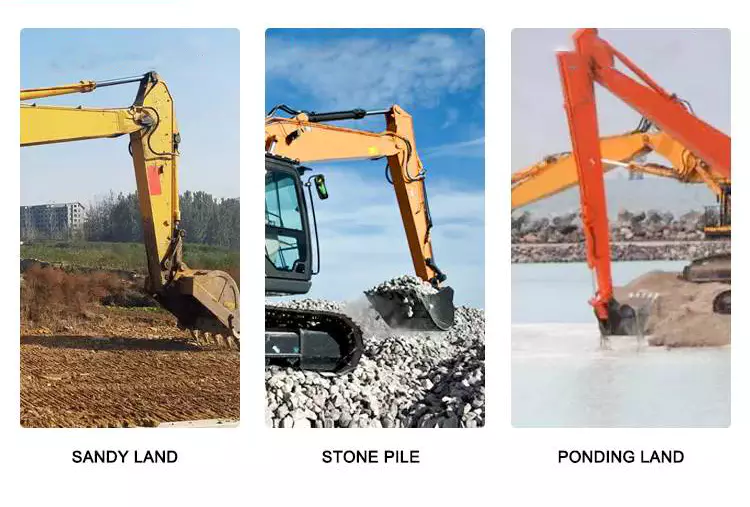
How do hydraulic cylinders generate force and motion using hydraulic fluid?
Hydraulic cylinders generate force and motion by utilizing the principles of fluid mechanics, specifically Pascal’s law, in conjunction with the properties of hydraulic fluid. The process involves the conversion of hydraulic energy into mechanical force and linear motion. Here’s a detailed explanation of how hydraulic cylinders achieve this:
1. Pascal’s Law:
– Hydraulic cylinders operate based on Pascal’s law, which states that when pressure is applied to a fluid in a confined space, it is transmitted equally in all directions. In the context of hydraulic cylinders, this means that when hydraulic fluid is pressurized, the force is evenly distributed throughout the fluid and transmitted to all surfaces in contact with the fluid.
2. Hydraulic Fluid and Pressure:
– Hydraulic systems use a specialized fluid, typically hydraulic oil, as the working medium. This fluid is stored in a reservoir and circulated through the system by a hydraulic pump. The pump pressurizes the fluid, creating hydraulic pressure that can be controlled and directed to various components, including hydraulic cylinders.
3. Cylinder Design and Components:
– Hydraulic cylinders consist of several key components, including a cylindrical barrel, a piston, a piston rod, and various seals. The barrel is a hollow tube that houses the piston and allows for fluid flow. The piston divides the cylinder into two chambers: the rod side and the cap side. The piston rod extends from the piston and provides a connection point for external loads. Seals are used to prevent fluid leakage and maintain hydraulic pressure within the cylinder.
4. Fluid Input and Motion:
– To generate force and motion, hydraulic fluid is directed into one side of the cylinder, creating pressure on the corresponding surface of the piston. This pressure is transmitted through the fluid to the other side of the piston.
5. Force Generation:
– The force generated by a hydraulic cylinder is a result of the pressure applied to a specific surface area of the piston. The force exerted by the hydraulic cylinder can be calculated using the formula: Force = Pressure × Area. The area is determined by the diameter of the piston or the piston rod, depending on which side of the cylinder the fluid is acting upon.
6. Linear Motion:
– As the pressurized hydraulic fluid acts on the piston, it generates a force that moves the piston in a linear direction within the cylinder. This linear motion is transferred to the piston rod, which extends or retracts accordingly. The piston rod can be connected to external components or machinery, allowing the generated force to perform various tasks, such as lifting, pushing, pulling, or controlling mechanisms.
7. Control and Regulation:
– The force and motion generated by hydraulic cylinders can be controlled and regulated by adjusting the flow of hydraulic fluid into the cylinder. By regulating the flow rate, pressure, and direction of the fluid, the speed, force, and direction of the cylinder’s movement can be precisely controlled. This control allows for accurate positioning, smooth operation, and synchronization of multiple cylinders in complex machinery.
8. Return and Recirculation of Fluid:
– After the hydraulic cylinder completes its stroke, the hydraulic fluid on the opposite side of the piston needs to be returned to the reservoir. This is typically achieved through hydraulic valves that control the flow direction, allowing the fluid to return and be recirculated in the system for further use.
In summary, hydraulic cylinders generate force and motion by utilizing the principles of Pascal’s law. Pressurized hydraulic fluid acts on the piston, creating force that moves the piston in a linear direction. This linear motion is transferred to the piston rod, allowing the generated force to perform various tasks. By controlling the flow of hydraulic fluid, the force and motion of hydraulic cylinders can be precisely regulated, contributing to their versatility and wide range of applications in machinery.


editor by Dream 2024-04-24