Product Description
China Manufacturer Mining Dump Truck Spare Parts Front Rear Ride Oil Suspension Nitrogen Hydraulic Cylinder Made in China
وصف المنتج:
تستخدم على نطاق واسع في المعدات الخاصة بالفحم والمناجم والهندسة.
يضمن التصميم الهيكلي الخاص واستخدام المواد عالية القوة وعمليات المعالجة الحرارية واللحام الخاصة أن تتمتع أسطوانة الزيت بمتانة عالية للغاية في مواجهة التعب تحت الضغط العالي والحمل الثقيل.
يمكن تحليل أسطوانات التعليق الأمامية والخلفية وحسابها بناءً على المعلمات التي يوفرها العملاء، ويمكن تصميم منحنيات الصلابة والتخميد المطلوبة من قبل العملاء.
يتم معالجة سطح قضيب المكبس بطريقة خاصة لضمان مقاومة ممتازة للتآكل والتآكل لقضيب المكبس.
اختر حلقات الختم شديدة التحمل لتلبية ظروف العمل القاسية في منطقة التعدين، مما يضمن أداءً ممتازًا في مقاومة الغبار والختم لأسطوانة الزيت.
حدد سلسلة واسعة وحلقة توجيه متكاملة ذات قدرة تحمل عالية، مع مقاومة قوية للقوة الجانبية.
يمكن تصميم الجزء الداخلي من أسطوانة الرفع بهيكل عازل لتجنب الصدمات المفرطة أثناء عمليات الرفع والخفض.
يمكن تجهيز أسطوانة التوجيه بمستشعر إزاحة مدمج لمراقبة شوط الأسطوانة في الوقت الفعلي.
يعتمد مجمع المكبس على تصميم مكبس مزدوج، مع غرف ضغط عالية ومنخفضة لتلبية ظروف الطريق المختلفة.
يضمن تصميم هيكل الختم الموثوق به لمجمع المكبس فصل الزيت عن الغاز.
عرض المنتج:
Front suspension cylinder for mining dump truck
Rear suspension cylinder for mining dump truck
تحديد:
| غرض | تحديد |
| قطر التجويف | 150mm-450mm,Customized |
| قطر القضيب | 120mm-400mm,Customized |
| سكتة دماغية | 200-500 مم، مخصصة |
| ضغط العمل | 7-45 ميجا باسكال، مخصصة |
| معالجة سطح قضيب المكبس | طلاء الكروم الصلب، طلاء كهربائي بالكروم الأبيض الحليبي + الكروم الصلب، طلاء النيكل + طلاء الكروم الصلب، وقود الأكسجين عالي السرعة CrC NiC، طلاء السيراميك، النترتة، الكسوة بالليزر |
| أنبوب وبرميل | أنبوب مرسوم على البارد عالي الشد، مصقول بدقة لإطالة عمر الختم |
| نوع الختم | باركر، NOK، Hallite GAPI أو حسب متطلبات العميل |
| شهادة | ISO9001،CE،SGS. |
| لون | الأصفر، الأحمر، الأسود، الوردي، مخصص |
| التعبئة والتغليف | حالة معدنية؛ حالة الخشب الرقائقي؛ الكرتون أو حسب المتطلبات |
| الحد الأدنى لكمية الطلب | 1 قطعة، وفقا للمنتجات |
| ماركة | tianjian or customer’s logo |
| خدمة | تصنيع المعدات الأصلية وتصنيع التصميم الشخصي |
| وقت الإنتاج | بناءً على كمية الطلب. عادة 30-45 يومًا. |
| ميزة السعر | سعر المصنع التنافسي مع جودة مضمونة |
| نوع العمل | الشركة المصنعة |
طريقة التركيب:
التطبيقات: شاحنة قلابة للتعدين
مصنعنا:
عملية التفتيش:
| نوع التفتيش | معيار التفتيش |
| فحص المواد الخام | قبل التخزين، يقوم قسم مراقبة الجودة بأخذ قياسات المواد الخام. |
| فحص مواد العملية | أثناء الإنتاج، يقوم مراقبو الجودة بإجراء تفتيش عشوائي. قبل نقل أجزاء الأسطوانة الهيدروليكية إلى العملية التالية، يقوم مراقبو الجودة بإجراء عملية التفتيش. |
| اختبار الوظيفة النهائي | تخضع جميع الأسطوانات الهيدروليكية لاختبار الوظيفة الهيدروليكية |
Packing & Delivery:
About US:Certificates
ZheJiang Tianjian Hydraulic Technology Co.,Ltd is specializing in the production of various types of hydraulic cylinders as well as cylinder barrel, piston cylinder and other cylinder accessories.
As a highly specialized manufacturer of hydraulic cylinders, tianjian provides design optimization solutions and reliable products to many customers at home and abroad. No matter in construction machinery, railway bridge machinery, port ship machinery, metallurgy and mining machinery, oil and light industry machinery, special vehicles and other industries, tianjian can provide various standard and non-standard hydraulic cylinder design optimization schemes and products according to users’ requirements, and provide integrated services for perfection and quality.
عملائنا
إذا كان ذلك ممكنًا، عند الاتصال بنا، يرجى تطبيق المعلومات كما هو موضح أدناه
|
الممل |
عصا |
سكتة دماغية |
ضغط العمل |
التركيب |
بيئة العمل |
|
|
|
|
|
|
|
أو يمكنك أن تقدم لنا الرسم التخطيطي الخاص بك أو الصور حتى نتمكن من فهم ما تقصده بالضبط، ومساعدتنا على تجنب الأخطاء.
وإذا كان لديك عينات، يمكننا تصنيعها وفقا للعينات الخاصة بك بعد إرسالها إلينا.
مرحبا بكم في مصنعنا إذا كان لديك أي وقت.
رضاكم هو دافعنا الأكبر.
الآن يمكنك التواصل معنا لأي سؤال أو استفسار.
التعليمات:
1. ماذا تفعل شركتك؟
ج: نحن مورد للمنتجات الهيدروليكية عالية الجودة بما في ذلك الأسطوانة الهيدروليكية والمحرك الهيدروليكي وحزمة الطاقة الهيدروليكية ومحطة الهيدروليكية والمكونات الهيدروليكية الأخرى.
2. هل أنت شركة تصنيع أو شركة تجارية؟
أ: نحن شركة مصنعة.
3. ما هي الشهادة التي لديك؟
ج: جميع مصانعنا حاصلة على شهادات ISO. موردونا الرئيسيون للمواد وقطع الغيار حاصلون على شهادات CE وRoHS وCSA وUL.
4. ما هي مدة التسليم الخاصة بك؟
ج: يعتمد وقت التسليم على اختلاف المنتجات وكميتها. عادةً ما يستغرق تسليم الأسطوانة حوالي 45-60 يومًا، بينما يستغرق تسليم المحرك حوالي 30-50 يومًا.
5، هل يمكنك صنع الأجزاء حسب متطلبات العميل أو الرسم؟
ج: نعم، يمكننا تصنيع المنتجات الأصلية (OEM) حسب رسوماتكم. كما يقدم لكم مهندسونا الدعم الفني الاحترافي والاقتراحات الفنية.
6. ما نوع شروط الدفع التي تقبلها؟
ج: نفضل الدفع عبر T/T. 30% عند تأكيد الطلب، و70% قبل الشحن. كما نرحب بالدفع عبر خطاب الاعتماد للمبالغ التي تزيد عن 20,000 دولار أمريكي.
7. ما هي سياسة الضمان الخاصة بك؟
ج: جميع منتجاتنا مضمونة لمدة عام كامل من تاريخ التسليم ضد عيوب المواد والتصنيع. لا يشمل هذا الضمان الأجزاء المستهلكة أثناء التشغيل العادي أو التالفة نتيجة الإهمال. نذكركم بشدة بأن زيت الهيدروليك غير النظيف سيؤدي حتمًا إلى تلف مكونات الهيدروليك لديكم، وهذا التلف غير مشمول في نطاق الضمان. لذا، ننصحكم بشدة باستخدام زيت جديد نظيف أو التأكد من نظافة زيت النظام عند استخدام قطع الغيار.
/* March 10, 2571 17:59:20 */!function(){function s(e,r){var a,o={};try{e&&e.split(“,”).forEach(function(e,t){e&&(a=e.match(/(.*?):(.*)$/))&&1
| Certification: | GS, RoHS, CE, ISO9001 |
|---|---|
| Pressure: | Medium Pressure |
| Work Temperature: | High Temperature |
| Acting Way: | Double Acting |
| Working Method: | Straight Trip |
| Adjusted Form: | Regulated Type |
| Samples: |
US$ 3000/Piece
1 Piece(Min.Order) | |
|---|
| Customization: |
Available
|
|
|---|
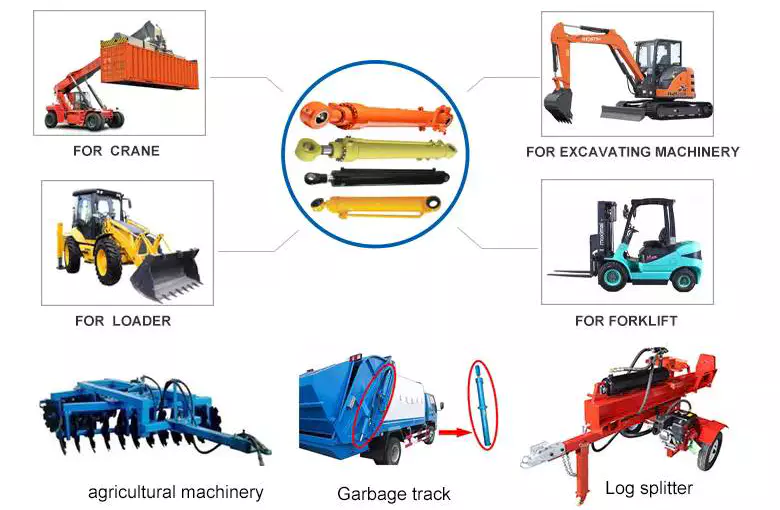
Can hydraulic cylinders be integrated with modern telematics and remote monitoring?
Yes, hydraulic cylinders can indeed be integrated with modern telematics and remote monitoring systems. The integration of hydraulic cylinders with telematics and remote monitoring technology offers numerous benefits, including enhanced operational efficiency, improved maintenance practices, and increased overall productivity. Here’s a detailed explanation of how hydraulic cylinders can be integrated with modern telematics and remote monitoring:
1. تكامل المستشعر:
– Hydraulic cylinders can be equipped with various sensors to gather real-time data about their performance and operating conditions. Sensors such as pressure transducers, temperature sensors, position sensors, and load sensors can be integrated directly into the cylinder or its associated components. These sensors provide valuable information about parameters such as pressure, temperature, position, and load, enabling remote monitoring and analysis of the cylinder’s behavior.
2. Data Transmission:
– The data collected from the sensors in hydraulic cylinders can be transmitted wirelessly or through wired connections to a central monitoring system. Wireless communication technologies such as Bluetooth, Wi-Fi, or cellular networks can be employed to transmit data in real-time. Alternatively, wired connections such as Ethernet or CAN bus can be utilized for data transmission. The choice of communication method depends on the specific requirements of the application and the available infrastructure.
3. Remote Monitoring Systems:
– Remote monitoring systems receive and process the data transmitted from hydraulic cylinders. These systems can be cloud-based or hosted on local servers, depending on the implementation. Remote monitoring systems collect and analyze the data to provide insights into the cylinder’s performance, health, and usage patterns. Operators and maintenance personnel can access the monitoring system through web-based interfaces or dedicated software applications to view real-time data, receive alerts, and generate reports.
4. Condition Monitoring and Predictive Maintenance:
– Integration with telematics and remote monitoring enables condition monitoring and predictive maintenance of hydraulic cylinders. By analyzing the collected data, patterns and trends can be identified, allowing for the detection of potential issues or anomalies before they escalate into major problems. Predictive maintenance algorithms can be applied to the data to generate maintenance schedules, recommend component replacements, and optimize maintenance activities. This proactive approach helps prevent unexpected downtime, reduces maintenance costs, and maximizes the lifespan of hydraulic cylinders.
5. Performance Optimization:
– The data collected from hydraulic cylinders can also be utilized to optimize their performance. By analyzing parameters such as pressure, temperature, and load, operators can identify opportunities for improving operational efficiency. Insights gained from the remote monitoring system can guide adjustments in system settings, load management, or operational practices to optimize the performance of hydraulic cylinders and the overall hydraulic system. This optimization can result in energy savings, improved productivity, and reduced wear and tear.
6. Integration with Equipment Management Systems:
– Telematics and remote monitoring systems can be integrated with broader equipment management systems. This integration allows hydraulic cylinder data to be correlated with data from other components or related machinery, providing a comprehensive view of the overall system’s performance. This holistic approach enables operators to identify potential interdependencies, optimize system-wide performance, and make informed decisions regarding maintenance, repairs, or upgrades.
7. Enhanced Safety and Fault Diagnosis:
– Telematics and remote monitoring can contribute to enhanced safety and fault diagnosis in hydraulic systems. Real-time data from hydraulic cylinders can be used to detect abnormal conditions, such as excessive pressure or temperature, which may indicate potential safety risks. Fault diagnosis algorithms can analyze the data to identify specific issues or malfunctions, enabling prompt intervention and reducing the risk of catastrophic failures or accidents.
In summary, hydraulic cylinders can be effectively integrated with modern telematics and remote monitoring systems. This integration enables the collection of real-time data, remote monitoring of performance, condition monitoring, predictive maintenance, performance optimization, integration with equipment management systems, and enhanced safety. By harnessing the power of telematics and remote monitoring, hydraulic cylinder users can achieve improved efficiency, reduced downtime, optimized maintenance practices, and enhanced overall productivity in various applications and industries.
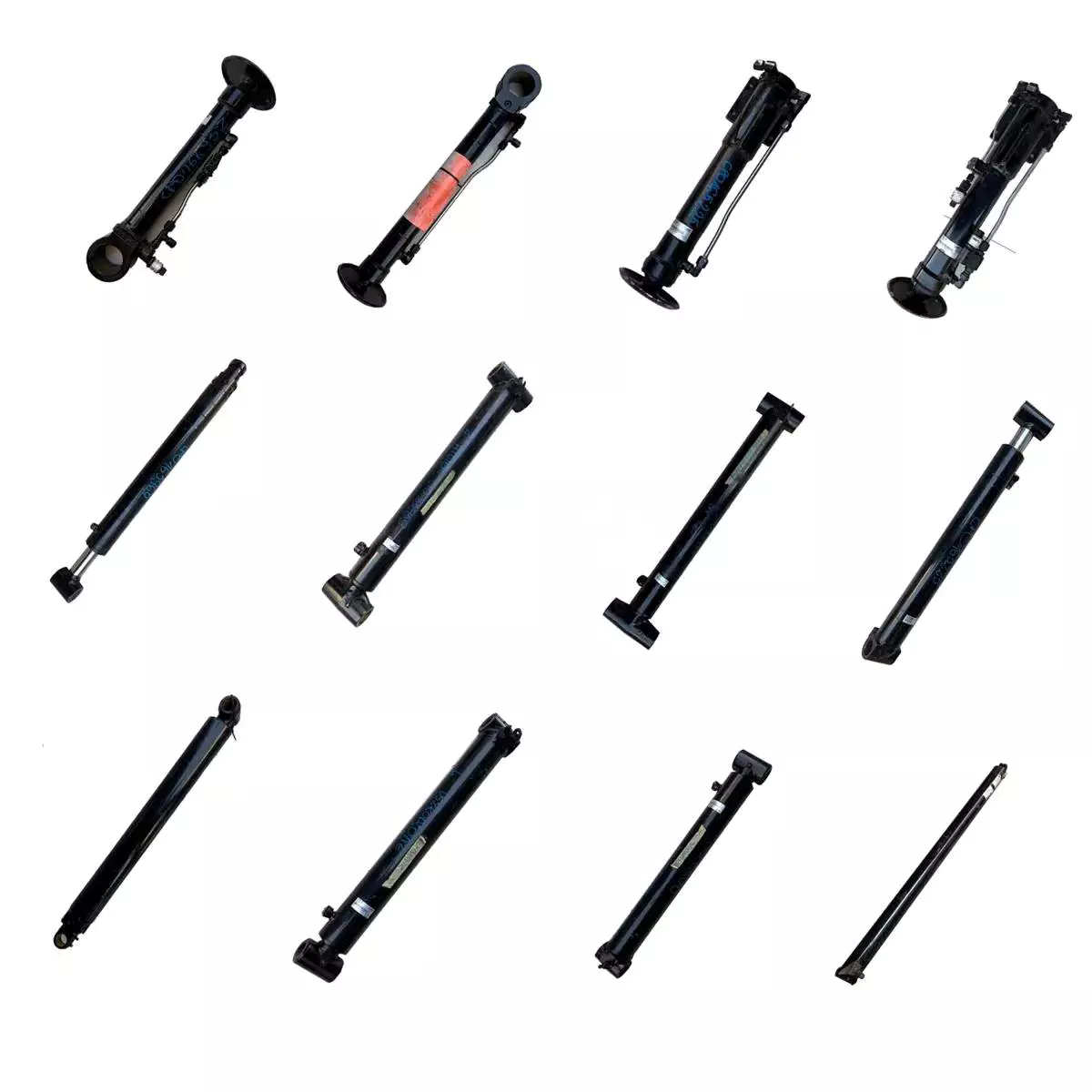
Ensuring Controlled and Safe Force Application in Heavy Machinery with Hydraulic Cylinders
Hydraulic cylinders play a critical role in heavy machinery by ensuring controlled and safe force application. The ability to exert and control high forces is essential for heavy machinery operations, such as lifting, pressing, pushing, or pulling heavy loads. Let’s explore how hydraulic cylinders ensure controlled and safe force application in heavy machinery:
- Force Control: Hydraulic cylinders provide precise force control capabilities. The hydraulic system’s pressure can be adjusted to regulate the force exerted by the cylinder. This control allows operators to apply the necessary force for a specific task while ensuring it remains within safe limits. By accurately controlling the force, hydraulic cylinders help prevent excessive force that could damage the machinery or compromise the safety of the operation.
- Load Balancing: In heavy machinery, multiple hydraulic cylinders are often used in conjunction to distribute and balance the applied force. By using multiple cylinders, the load can be evenly distributed across the machinery, minimizing stress concentrations and ensuring controlled force application. This load balancing approach enhances the stability and safety of the machinery, preventing uneven loading that could lead to structural issues or instability.
- Safety Valves: Hydraulic systems in heavy machinery are equipped with safety valves to protect against excessive force or overloading. Safety valves are designed to release hydraulic fluid from the cylinder when the force exceeds a predetermined threshold. This prevents the force from reaching dangerous levels, safeguarding the machinery and preventing potential accidents or damage. Safety valves provide an additional layer of safety and ensure controlled force application even in unexpected circumstances.
- Pressure Relief Systems: Hydraulic cylinders incorporate pressure relief systems to further enhance safety. These systems are designed to relieve excess pressure in the hydraulic system, which could occur due to factors such as thermal expansion or system malfunctions. By relieving excess pressure, the pressure relief systems prevent sudden and uncontrolled force surges, maintaining safe and controlled force application in heavy machinery.
- Structural Integrity: Hydraulic cylinders are designed to withstand the high forces and loads associated with heavy machinery applications. The cylinders are constructed using robust materials, such as high-strength steel, and undergo rigorous testing to ensure their structural integrity. This ensures that the cylinders can safely handle the forces applied during heavy machinery operations without experiencing failures or deformations that could compromise the safety and controlled force application.
In summary, hydraulic cylinders ensure controlled and safe force application in heavy machinery through force control, load balancing, safety valves, pressure relief systems, and robust structural design. These features and design considerations enable operators to exert the necessary force while maintaining safety and preventing excessive loads or force surges. By incorporating hydraulic cylinders into heavy machinery, manufacturers can achieve controlled force application, enhance operational safety, and protect the machinery from damage or failure.
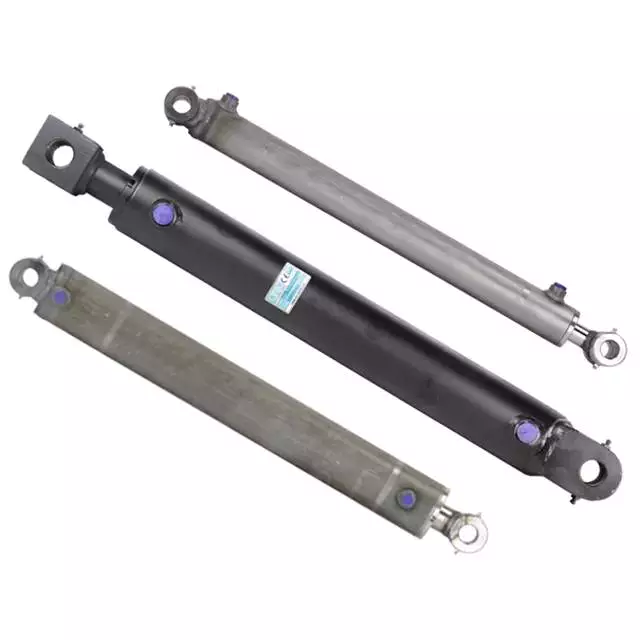
What factors should be considered when selecting the right hydraulic cylinder for an application?
When selecting the right hydraulic cylinder for an application, several important factors need to be considered. These factors help ensure that the chosen hydraulic cylinder is suitable for the specific requirements of the application and will perform reliably. Here are the key factors to consider:
1. Load Requirements:
– One of the crucial factors to consider is the load requirement of the application. Determine the maximum load that the hydraulic cylinder needs to handle. Consider both the static load (when the cylinder is stationary) and the dynamic load (when the cylinder is in motion). The load requirement will impact the cylinder’s bore size, rod diameter, and overall strength. Choose a hydraulic cylinder with a load capacity that exceeds the application’s maximum load to ensure safety and longevity.
2. Stroke Length:
– The stroke length refers to the distance the hydraulic cylinder needs to extend and retract to perform the desired motion. Measure the required stroke length based on the application’s operational requirements. It is essential to choose a hydraulic cylinder with a stroke length that matches or exceeds the required distance. Consider any potential variations or adjustments in the stroke length that may be needed in the future.
3. Operating Pressure:
– Consider the operating pressure required for the application. The hydraulic cylinder must be capable of withstanding the maximum pressure within the hydraulic system. Ensure that the selected cylinder has a pressure rating that exceeds the application’s maximum operating pressure. This ensures safety and prevents premature failure.
4. Speed Requirements:
– Determine the required speed of the hydraulic cylinder’s movement for the application. Consider both the extension and retraction speeds. Select a cylinder that can achieve the desired speed while maintaining precise control and stability. It is important to choose a cylinder that can handle the required speed without compromising performance or safety.
5. Mounting:
– Evaluate the available space and mounting requirements for the hydraulic cylinder. Consider the mounting type (such as flange, foot, trunnion, or clevis), the available mounting points, and any specific mounting constraints. Ensure that the selected cylinder can be easily and securely mounted in the desired location.
6. Environmental Factors:
– Assess the environmental conditions in which the hydraulic cylinder will operate. Consider factors such as temperature extremes, humidity, exposure to chemicals, dust, or corrosive substances. Choose a cylinder that is designed to withstand the specific environmental conditions of the application. This may involve selecting appropriate materials, coatings, or seals to ensure the longevity and performance of the cylinder.
7. Cylinder Configuration:
– Determine the appropriate cylinder configuration based on the application’s requirements. Consider factors such as single-acting or double-acting cylinders, telescopic cylinders for limited space, or custom configurations for unique applications. Evaluate the specific needs of the application to select the most suitable cylinder configuration.
8. Maintenance and Serviceability:
– Consider the maintenance and service requirements of the hydraulic cylinder. Evaluate factors such as ease of access for maintenance, availability of spare parts, and the reputation of the manufacturer or supplier in terms of customer support and after-sales service. Choosing a reliable and reputable brand can ensure ongoing support and availability of spare parts when needed.
9. Compliance and Standards:
– Depending on the industry and application, certain compliance standards may need to be met. Consider any industry-specific regulations, safety standards, or certifications that the hydraulic cylinder should comply with. Ensure that the selected cylinder meets the required standards and certifications for the application.
10. Cost and Budget:
– Finally, consider the cost and budget for the hydraulic cylinder. While it is important to select a cylinder that meets the application’s requirements, it is also necessary to consider the overall cost-effectiveness. Evaluate the initial purchase cost, long-term maintenance costs, and the expected lifespan of the cylinder. Balancing the cost and quality will help in selecting a hydraulic cylinder that provides the best value for the application.
By considering these factors in the selection process, it becomes possible to choose the right hydraulic cylinder that meets the specific requirements of the application in terms of load capacity, stroke length, operating pressure, speed, mounting, environmental conditions, maintenance needs, compliance, and cost-effectiveness. Proper selection ensures optimal performance, reliability, and longevity of the hydraulic cylinder in the intended application.


editor by CX 2024-01-17