Product Description
1 YEAR WARRANTY AND EXCELLENT SERVICE
7 DAYS REFUND PAYMENT IN CASE OF QUALITY
24 HOURS SMOOTHLY COMMUNICATION
Product Description
Hydraulic Cylinder Jack
Capacity: 50-800ton
Stroke: 50-300mm
Max.pressure: 700bar
SSJ Series Single-Acting High Tonnage Hydraulic Cylinders
1. Single acting, loads return.
2. Hard chrome plated high quality steel plungers.
3. Plunger wiper reduces contamination, extending cylinder life.
4. The exclusive guide Ring is designed absorbs eccentric loading without galling cylinder parts, reduces wear and extending life.
5. Special painted surface to increase corrosion resistance.
6. Easy fixturing with base mounting holes.
7. All model include quick couplings (NPT3/8″-18) and dust-proof cap.
8. Removable hardened saddles protect plunger during lifting and pressing.
9. According to different work environment, special cylinder could be customized.
| Cylinder Capacity | Stroke | Model Number | Cylinder Effective Area | Oil Capacity | Collapsed Height | Extended Height | Outside Dia. | Cylinder Bore Dia | Plunger Dia. | Base to Advance Port | Saddle Dia. | Saddle Protrusion from Plgr. | Mounting Hole Dimensions | Weight | ||
| Bolt Circle | Thread | Thread Depth | ||||||||||||||
| A | B | C | D | E | F | H | J | O | P | W | ||||||
| ton(KN) | (mm) | (cm2) | (cm3) | (mm) | (mm) | (mm) | (mm) | (mm) | (mm) | (mm) | (mm) | (mm) | (mm) | (kg) | ||
| 50 (550) |
50 | SSJ50-50 | 78.5 | 392 | 172 | 222 | 140 | 100 | 70 | 41 | 70 | 24 | 70 | 4-M16 | 13 | 21.5 |
| 100 | SSJ50-100 | 78.5 | 784 | 222 | 322 | 140 | 100 | 70 | 41 | 70 | 24 | 70 | 4-M16 | 13 | 26 | |
| 150 | SSJ50-150 | 78.5 | 1176 | 272 | 432 | 140 | 100 | 70 | 41 | 70 | 24 | 70 | 4-M16 | 13 | 31 | |
| 200 | SSJ50-200 | 78.5 | 1568 | 322 | 522 | 140 | 100 | 70 | 41 | 70 | 24 | 70 | 4-M16 | 13 | 35 | |
| 300 | SSJ50-300 | 78.5 | 2352 | 422 | 722 | 140 | 100 | 70 | 41 | 70 | 24 | 70 | 4-M16 | 13 | 44 | |
| 100 (1077) |
50 | SSJ100-50 | 153.9 | 770 | 197 | 247 | 188 | 140 | 100 | 54 | 100 | 24 | 100 | 4-M20 | 16 | 42 |
| 100 | SSJ100-100 | 153.9 | 1540 | 247 | 347 | 188 | 140 | 100 | 54 | 100 | 24 | 100 | 4-M20 | 16 | 49 | |
| 150 | SSJ100-150 | 153.9 | 2310 | 297 | 447 | 188 | 140 | 100 | 54 | 100 | 24 | 100 | 4-M20 | 16 | 56 | |
| 200 | SSJ100-200 | 153.9 | 3080 | 347 | 547 | 188 | 140 | 100 | 54 | 100 | 24 | 100 | 4-M20 | 16 | 63 | |
| 300 | SSJ100-300 | 153.9 | 4620 | 447 | 747 | 188 | 140 | 100 | 54 | 100 | 24 | 100 | 4-M20 | 16 | 70 | |
| 150 (1588) |
50 | SSJ150-50 | 226.9 | 1134 | 206 | 256 | 228 | 170 | 120 | 58 | 120 | 24 | 130 | 4-M20 | 16 | 44 |
| 100 | SSJ150-100 | 226.9 | 2269 | 256 | 356 | 228 | 170 | 120 | 58 | 120 | 24 | 130 | 4-M20 | 16 | 57 | |
| 150 | SSJ150-150 | 226.9 | 3403 | 306 | 456 | 228 | 170 | 120 | 58 | 120 | 24 | 130 | 4-M20 | 16 | 70 | |
| 200 | SSJ150-200 | 226.9 | 4538 | 356 | 556 | 228 | 170 | 120 | 58 | 120 | 24 | 130 | 4-M20 | 16 | 83 | |
| 300 | SSJ150-300 | 226.9 | 6806 | 456 | 756 | 228 | 170 | 120 | 58 | 120 | 24 | 130 | 4-M20 | 16 | 109 | |
| 200 (2198) |
50 | SSJ200-50 | 314 | 1570 | 221 | 296 | 268 | 200 | 150 | 64 | 150 | 29 | 160 | 4-M24 | 24 | 84 |
| 150 | SSJ200-150 | 314 | 4712 | 321 | 496 | 268 | 200 | 150 | 64 | 150 | 29 | 160 | 4-M24 | 24 | 118 | |
| 300 | SSJ200-300 | 314 | 9423 | 471 | 796 | 268 | 200 | 150 | 64 | 150 | 29 | 160 | 4-M24 | 24 | 152 | |
| 300 (3434) |
50 | SSJ300-50 | 490.6 | 2453 | 277 | 327 | 320 | 250 | 180 | 74 | 180 | 35 | 220 | 4-M24 | 24 | 155 |
| 150 | SSJ300-150 | 490.6 | 7359 | 377 | 527 | 320 | 250 | 180 | 74 | 180 | 35 | 220 | 4-M24 | 24 | 195 | |
| 300 | SSJ300-300 | 490.6 | 14718 | 527 | 827 | 320 | 250 | 180 | 74 | 180 | 35 | 220 | 4-M24 | 24 | 255 | |
| 400 (4308) |
50 | SSJ400-50 | 615.4 | 3077 | 305 | 355 | 370 | 280 | 210 | 83 | 210 | 35 | 240 | 4-M24 | 24 | 240 |
| 150 | SSJ400-150 | 615.4 | 9231 | 405 | 555 | 370 | 280 | 210 | 83 | 210 | 35 | 240 | 4-M24 | 24 | 310 | |
| 300 | SSJ400-300 | 615.4 | 18462 | 555 | 855 | 370 | 280 | 210 | 83 | 210 | 35 | 240 | 4-M24 | 24 | 415 | |
| 500 (5114) |
50 | SSJ500-50 | 803.8 | 4019 | 325 | 375 | 420 | 320 | 250 | 93 | 246 | 35 | 280 | 4-M24 | 24 | 285 |
| 150 | SSJ500-150 | 803.8 | 12057 | 425 | 575 | 420 | 320 | 250 | 93 | 246 | 35 | 280 | 4-M24 | 24 | 353 | |
| 300 | SSJ500-300 | 803.8 | 24114 | 575 | 875 | 420 | 320 | 250 | 93 | 246 | 35 | 280 | 4-M24 | 24 | 455 | |
| 600 (6300) |
50 | SSJ600-50 | 1017.4 | 5087 | 386 | 436 | 500 | 360 | 280 | 113 | 280 | 40 | 300 | 4-M24 | 24 | 487 |
| 150 | SSJ600-150 | 1017.4 | 15261 | 486 | 636 | 500 | 360 | 280 | 113 | 280 | 40 | 300 | 4-M24 | 24 | 579 | |
| 300 | SSJ600-300 | 1017.4 | 30522 | 636 | 936 | 500 | 360 | 280 | 113 | 280 | 40 | 300 | 4-M24 | 24 | 717 | |
| 800 (8790) |
50 | SSJ800-50 | 1256 | 6280 | 427 | 477 | 550 | 400 | 320 | 113 | 320 | 57 | 380 | 4-M24 | 24 | 712 |
| 150 | SSJ800-150 | 1256 | 18840 | 527 | 677 | 550 | 400 | 320 | 113 | 320 | 57 | 380 | 4-M24 | 24 | 860 | |
| 300 | SSJ800-300 | 1256 | 37698 | 677 | 977 | 550 | 400 | 320 | 113 | 320 | 57 | 380 | 4-M24 | 24 | 1082 | |
All SAIVS Hydraulic Lifting Cylinders Jack go with calibration certificates,
Your Requirements Can Be Customized, Please Contact Us Freely!
Detailed Photos
Single-Acting High Tonnage Hydraulic Cylinders
SAIVS is a professional manufacturer in hydraulic tools and products, Hydraulic lifting cylinder & jack and Hydraulic pumps.
Our full rang of popular hydraulic cylinder reserviors including jacking, pushing, pulling, supporting etc.
Our hydraulic products have been widely used in petrochemical, Building, shipbuilding, steel plant and heavy constructions areas etc.
Application
Certifications
Packaging & Shipping
Company Profile
Established in HangZhou, China, CHINAMFG began as a manufacturer and exporter of different kinds of casting and precision CNC machining components, industrial customized parts. CHINAMFG has the experience to develop thousands of tooling and fixtures in house according to customers’ drawings.
In 2002, hydraulic tools research department was settled and company developed its first line of hydraulic tools and equipment. Today CHINAMFG is reckoned as 1 of the most preferred experienced manufacturer and exporter of hydraulic tools, hydraulic pumps & hydraulic components in the industrial market.
We have more than 200 employees total, that work at casting foundries, CNC machining plant. we have nice reputation in components supply chain, as we have better management system, positive teamwork cooperation and advanced equipment. We obtained certificates of TS16949, ISO9001, ISO14001 and OSHAS ISO 18001.
FAQ
Q: Are you trading company or manufacturer?
A: We are factory with more than 20 years experience.
Q: How long for delivery?
A: Generally it is 15-30days as we are customized service we confirm with customer when place order.
Q: What is the MOQ?
A: It depends on what you are buying. Normally, our minimum order is 1 20′ full container and LCL container (less than a
container load) can be acceptable.
Q: Can you customize my products?
A: Yes, we can customized products with your design drawings like DWG, DXF, DXW, IGES, STEP, PDF etc.
Q: What is your terms of payment?
A: 30% T/T in advance, balance before shipment, or as per discussion.
Q: What about your quality control?
A: * . Checking the raw material after they reach our factory—–Incoming quality control(IQC)
* . Checking the details before the production line operated
* . Have full inspection and routing inspection during mass production—-In-process quality control(IPQC)
* . Checking the goods after they are finished—-Final quality control(FQC)
* . Checking the goods after they are finished—-Outgoing quality control(QC)
* . 100% inspection and delivery before shipment
| After-sales Service: | Yes |
|---|---|
| Warranty: | 1 Year |
| Type: | Hydraulic Jack |
| Structure: | Hydraulic Jack |
| Capacity (Load): | 50-800 T |
| Power Source: | Hydraulic |
| Customization: |
Available
|
|
|---|
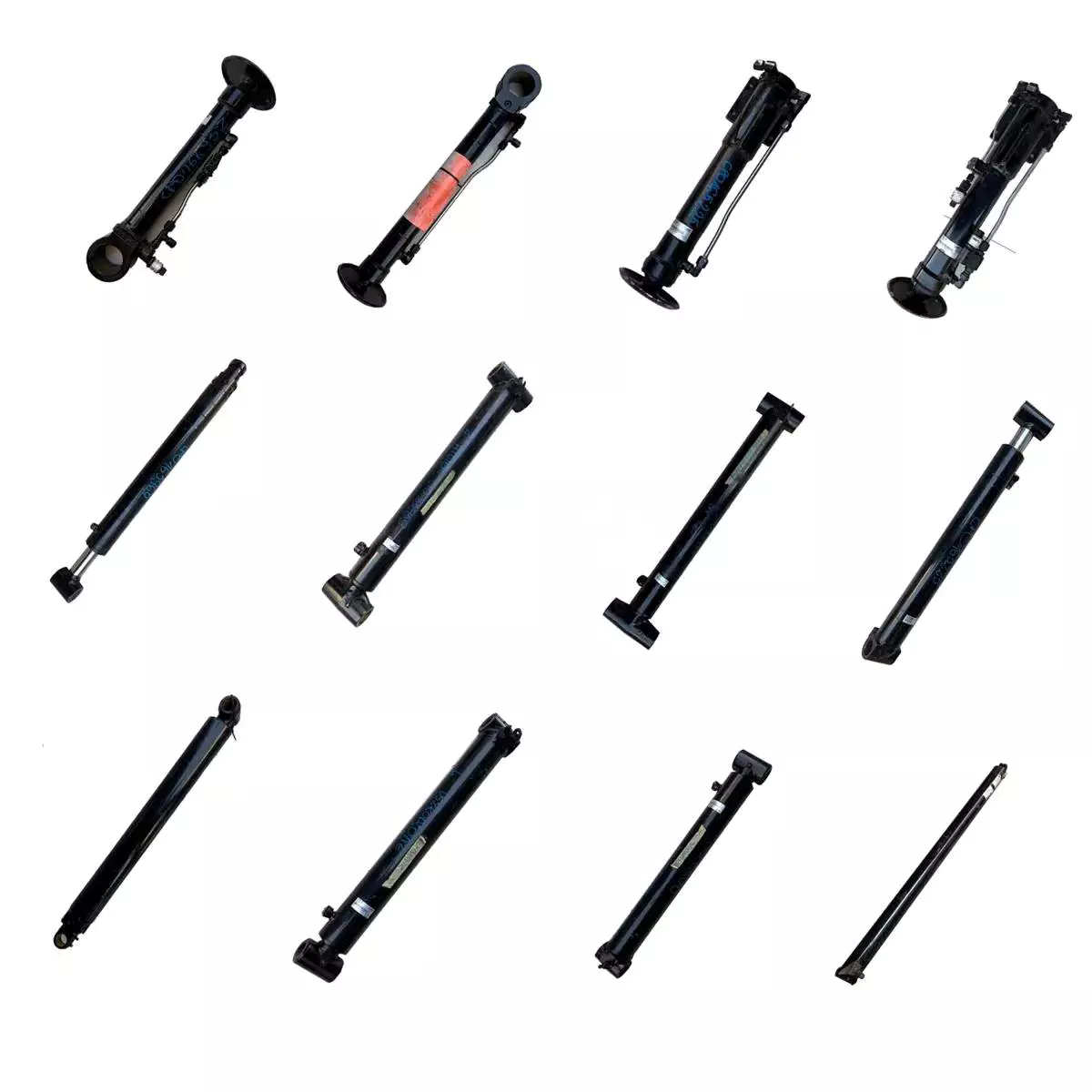
How do hydraulic cylinders handle the challenges of precise positioning and control?
Hydraulic cylinders are designed to handle the challenges of precise positioning and control with a combination of engineering principles and advanced control systems. These challenges often arise in applications where accurate and controlled movements are required, such as in industrial automation, construction, and material handling. Here’s a detailed explanation of how hydraulic cylinders overcome these challenges:
1. Fluid Power Control:
– Hydraulic cylinders utilize fluid power control to achieve precise positioning and control. The hydraulic system consists of a hydraulic pump, control valves, and hydraulic fluid. By regulating the flow of hydraulic fluid into and out of the cylinder, operators can control the speed, direction, and force exerted by the cylinder. The fluid power control allows for smooth and accurate movements, enabling precise positioning of the hydraulic cylinder and the attached load.
2. Control Valves:
– Control valves play a crucial role in handling the challenges of precise positioning and control. These valves are responsible for directing the flow of hydraulic fluid within the system. They can be manually operated or electronically controlled. Control valves allow operators to adjust the flow rate of the hydraulic fluid, controlling the speed of the cylinder’s movement. By modulating the flow, operators can achieve fine control over the positioning of the hydraulic cylinder, enabling precise and accurate movements.
3. Proportional Control:
– Hydraulic cylinders can be equipped with proportional control systems, which offer enhanced precision in positioning and control. Proportional control systems utilize electronic feedback and control algorithms to precisely regulate the flow and pressure of the hydraulic fluid. These systems provide accurate and proportional control over the movement of the hydraulic cylinder, allowing for precise positioning at various points along its stroke length. Proportional control enhances the cylinder’s ability to handle complex tasks that require precise movements and control.
4. Position Feedback Sensors:
– To achieve precise positioning, hydraulic cylinders often incorporate position feedback sensors. These sensors provide real-time information about the position of the cylinder’s piston rod. Common types of position feedback sensors include potentiometers, linear variable differential transformers (LVDTs), and magnetostrictive sensors. By continuously monitoring the position, the feedback sensors enable closed-loop control, allowing for accurate positioning and control of the hydraulic cylinder. The feedback information is used to adjust the flow of hydraulic fluid to achieve the desired position accurately.
5. Servo Control Systems:
– Advanced hydraulic systems employ servo control systems to handle the challenges of precise positioning and control. Servo control systems combine electronic control, position feedback sensors, and proportional control valves to achieve high levels of accuracy and responsiveness. The servo control system continuously compares the desired position with the actual position of the hydraulic cylinder and adjusts the flow of hydraulic fluid to minimize any positional error. This closed-loop control mechanism enables the hydraulic cylinder to maintain precise positioning and control, even under varying loads or external disturbances.
6. Integrated Automation:
– Hydraulic cylinders can be integrated into automated systems to achieve precise positioning and control. In such setups, the hydraulic cylinders are controlled by programmable logic controllers (PLCs) or other automation controllers. These controllers receive input signals from various sensors and use pre-programmed logic to command the hydraulic cylinder’s movements. The integration of hydraulic cylinders into automated systems allows for precise and repeatable positioning and control, enabling complex sequences of movements to be executed with high accuracy.
7. Advanced Control Algorithms:
– Advancements in control algorithms have also contributed to the precise positioning and control of hydraulic cylinders. These algorithms, such as PID (Proportional-Integral-Derivative) control, adaptive control, and model-based control, enable sophisticated control strategies to be implemented. These algorithms consider factors such as load variations, system dynamics, and environmental conditions to optimize the control of hydraulic cylinders. By employing advanced control algorithms, hydraulic cylinders can compensate for disturbances and achieve precise positioning and control over a wide range of operating conditions.
In summary, hydraulic cylinders overcome the challenges of precise positioning and control through the use of fluid power control, control valves, proportional control, position feedback sensors, servo control systems, integrated automation, and advanced control algorithms. By combining these elements, hydraulic cylinders can achieve accurate and controlled movements, enabling precise positioning and control in various applications. These capabilities are essential for industries that require high precision and repeatability in their operations, such as industrial automation, robotics, and material handling.
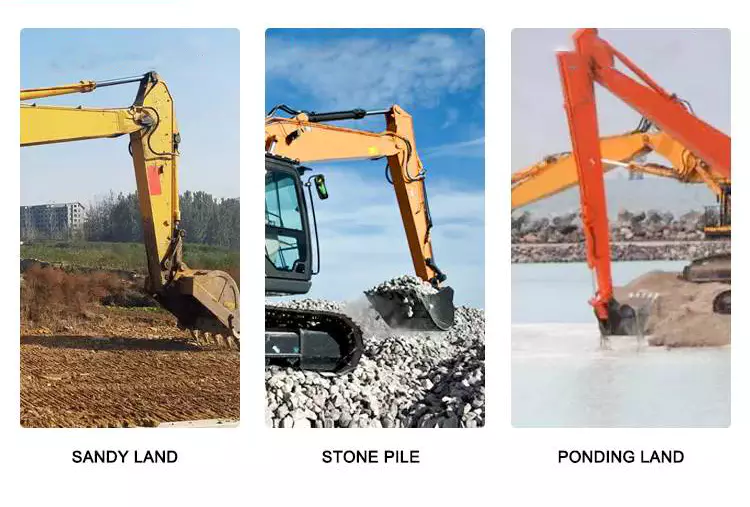
Can you provide real-world examples of machinery that heavily rely on hydraulic cylinders?
Hydraulic cylinders are widely used in various industries and applications due to their ability to provide powerful and precise linear motion. They play a crucial role in enabling the operation of heavy machinery that requires controlled force and movement. Here are some real-world examples of machinery that heavily rely on hydraulic cylinders:
1. Construction Equipment:
– Hydraulic cylinders are extensively used in construction machinery, such as excavators, bulldozers, loaders, and cranes. These machines rely on hydraulic cylinders to perform tasks like lifting heavy loads, extending and retracting booms, tilting buckets, and controlling the movement of various components. Hydraulic cylinders provide the power and precision required to handle the demanding conditions and heavy loads encountered in construction projects.
2. Agricultural Machinery:
– Many agricultural machines, including tractors, combine harvesters, and sprayers, utilize hydraulic cylinders for critical operations. Hydraulic cylinders are used to control the movement of attachments, such as front loaders, backhoes, and plows. They enable functions like lifting and lowering implements, adjusting cutting heights, and controlling the positioning of harvesting equipment. Hydraulic cylinders enhance efficiency and productivity in agricultural operations.
3. Material Handling Equipment:
– Hydraulic cylinders are integral components of material handling equipment, such as forklifts, pallet jacks, and cranes. These machines rely on hydraulic cylinders to lift and lower loads, tilt platforms or forks, and control the movement of lifting mechanisms. Hydraulic cylinders provide the necessary strength and precision to handle heavy loads and ensure safe and efficient material handling operations.
4. Industrial Machinery:
– Various industrial machinery and equipment heavily rely on hydraulic cylinders for critical functions. Examples include hydraulic presses, injection molding machines, metal-forming machines, and hydraulic-powered robots. Hydraulic cylinders enable precise control of force and movement in these applications, allowing for accurate shaping, pressing, and assembly processes.
5. Mining Equipment:
– Hydraulic cylinders are extensively used in mining machinery and equipment. Underground mining machines, such as continuous miners and longwall shearers, utilize hydraulic cylinders for cutting, shearing, and roof support operations. Surface mining equipment, including hydraulic shovels, draglines, and haul trucks, rely on hydraulic cylinders for tasks like bucket movement, boom extension, and vehicle suspension.
6. Automotive Industry:
– The automotive industry extensively utilizes hydraulic cylinders in various applications. Hydraulic cylinders are employed in vehicle suspension systems, power steering systems, convertible tops, and hydraulic brake systems. They enable smooth and controlled movement, precise steering, and efficient braking in automobiles.
7. Aerospace and Aviation:
– Hydraulic cylinders are utilized in aerospace and aviation applications, such as aircraft landing gear systems, wing flaps, and cargo handling equipment. Hydraulic cylinders provide the necessary force and control for extending and retracting landing gear, adjusting wing flaps, and operating cargo doors, ensuring safe and reliable aircraft operations.
8. Marine and Offshore Industry:
– Hydraulic cylinders are essential components in marine and offshore equipment, including ship cranes, winches, and hydraulic-powered anchor systems. They enable lifting, lowering, and positioning of heavy loads, as well as the control of various marine equipment.
These are just a few examples of machinery and industries that heavily rely on hydraulic cylinders. The versatility, power, and precise control offered by hydraulic cylinders make them indispensable in a wide range of applications, where controlled linear motion and force are essential.
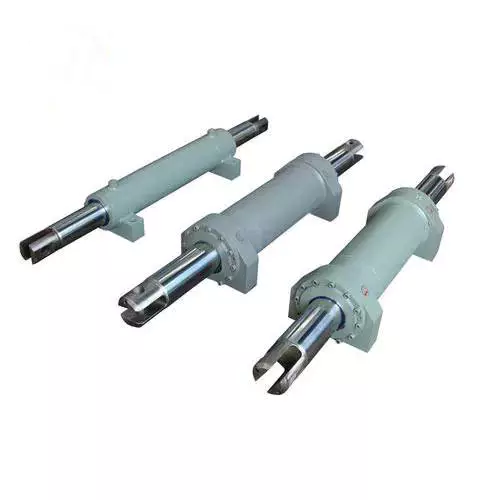
How do hydraulic cylinders ensure precise and controlled movement in equipment?
Hydraulic cylinders are widely used in various equipment and machinery to provide precise and controlled movement. They utilize hydraulic fluid and mechanical components to achieve accurate positioning, smooth operation, and reliable control. Here’s a detailed explanation of how hydraulic cylinders ensure precise and controlled movement in equipment:
1. Hydraulic Principle:
– Hydraulic cylinders operate based on Pascal’s law, which states that pressure exerted on a fluid is transmitted equally in all directions. The hydraulic fluid is contained within the cylinder, and when pressure is applied, it acts on the piston, generating force. By controlling the pressure and flow of hydraulic fluid, the movement of the cylinder can be precisely regulated, allowing for accurate and controlled motion.
2. Force and Load Management:
– Hydraulic cylinders are designed to handle specific loads and forces. The force generated by the hydraulic cylinder depends on the hydraulic pressure and the surface area of the piston. By adjusting the pressure, the force output can be controlled. This allows for precise management of the load and ensures that the cylinder can handle the required force without exerting excessive or insufficient force. Proper load management contributes to the precise and controlled movement of the equipment.
3. Control Valves:
– Control valves play a crucial role in regulating the flow and direction of hydraulic fluid within the cylinder. These valves allow operators to control the extension and retraction of the cylinder, adjust the speed of movement, and stop or hold the cylinder at any desired position. By manipulating the control valves, precise and controlled movement can be achieved, enabling operators to position equipment accurately and perform specific tasks with precision.
4. Flow Control:
– Hydraulic cylinders incorporate flow control valves to manage the rate of hydraulic fluid flow. These valves control the speed of the cylinder’s extension and retraction, allowing for smooth and controlled movement. By adjusting the flow rate, operators can precisely control the speed of the cylinder, ensuring that it moves at the desired rate without sudden or erratic movements. Flow control contributes to the overall precision and control of the equipment’s movement.
5. Position Sensing:
– To ensure precise movement, hydraulic cylinders can be equipped with position sensing devices such as linear transducers or proximity sensors. These sensors provide feedback on the position of the cylinder, allowing for accurate position control and closed-loop control systems. By continuously monitoring the position, the equipment’s movement can be controlled with high accuracy, enabling precise positioning and operation.
6. Proportional Control:
– Advanced hydraulic systems utilize proportional control technology, which allows for precise and fine-tuned control of the hydraulic cylinder’s movement. Proportional valves, often operated by electronic control systems, provide variable flow rates and pressure adjustments. This technology enables precise control of speed, force, and position, resulting in highly accurate and controlled movement of the equipment.
7. Cushioning and Damping:
– Hydraulic cylinders can incorporate cushioning and damping mechanisms to ensure smooth and controlled movement at the end of the stroke. Cushioning features, such as adjustable cushions or shock absorbers, reduce the impact and decelerate the cylinder before reaching the end of the stroke. This prevents abrupt stops and minimizes vibrations, contributing to precise and controlled movement.
8. Load Compensation:
– Some hydraulic systems utilize load compensation mechanisms to maintain precise movement even when the load varies. Load-sensing systems monitor the load demand and adjust the hydraulic pressure and flow accordingly to meet that demand. This compensation ensures that the equipment’s movement remains accurate and controlled, regardless of changes in the applied load.
In summary, hydraulic cylinders ensure precise and controlled movement in equipment through the application of hydraulic principles, force and load management, control valves, flow control, position sensing, proportional control, cushioning and damping mechanisms, and load compensation. These features and technologies allow operators to achieve accurate positioning, smooth operation, and reliable control, enabling equipment to perform tasks with precision and efficiency. The combination of hydraulic power and careful design considerations ensures that hydraulic cylinders deliver precise and controlled movement in a wide range of industrial applications.


editor by CX 2023-10-12