Product Description
Specifiche:
| Nome del prodotto | HSG Series Hydraulic Cylinder |
| Work Press | 7/14/16/21/31.5MPa 37.5/63MPa Can be Customized |
| Materiale | Aluminum, Cast Iron,45mnb Steel, Stainless Steel |
| Bore Size | 40mm–320mm, Customizable |
| Shaft Diameter | 20mm–220mm, Customizable |
| Stroke Length | 30mm–14100mm, Customizable |
| Rod Surface Hardness | HRC48-54 |
| Operating Temperature | -40°C to +120 °C |
| Paint Color | Black, Yellow, Blue, Brown, Customizable |
| Servizio | OEM&ODM |
| Warranty | 1 Year |
| Quantità minima d'ordine | 1 Piece |
| Delivery Time | 7-15 Days, Also depending on specific demands |
| Certification | ISO9001,CE |
| Capacity | 50,000Pcs per year |
Esposizione del prodotto:
Mounting:
Working Flow: About Us
Tongte designs and manufactures durable, heavy-duty hydraulic products and accessories and offers lifecycle services to them. We constantly develop our machine base and operations to meet customer-specific needs and remain leaders in the industry. Beyond all else, we want to be the trusted, groundbreaking partner our customers truly need.
In addition to the customized cylinders, CHINAMFG offers hydraulic power units, Electric-Hydraulic linear actuators, piston accumulators, system configurations, and versatile services such as repair and manufacturing services. The modern production facilities are located in HangZhou, ZheJiang (China) where production started in 2001. The core values of Tongke guiding its business strongly are commitment, sustainability, interaction, and customer-first.
We possess over 20 years of experience in the industry and extensive global market experience, our customers are located all over the world, and we truly commit to the customers’ needs – these are the success factors of our family-owned company. Our vision is to grow and expand the business further into global markets.
Domande frequenti:
Q1: What does your company do?
A: we are a supplier of high-quality hydraulic products including Hydraulic Cylinders, Hydraulic Power packs, Hydraulic Linear, and other Hydraulic components.
Q2:Are you a manufacturer or trading company?
A: We are a manufacturer.
Q3:Are you able to make Non-standard or customized products?
A: Yes, we can.
Q3: How long is your delivery time?
A: Normally, the delivery time is 7 days if we have stock, and 15-30 working days if we don’t. but it
also depends on the product
requirements and quantity.
Q4: Do you provide samples? are the samples free or not?
A: Yes, we can provide samples, but they are not free of charge.
Q5: What are your payment terms?
A: 30% deposit T/T or Irrevocable L/C at sight, If you have any questions, please feel free to
contact us.
Q6: What is your warranty policy?
A: All our products are warranted for 1 full year from the date of delivery against defects in materials and workmanship. Each individual product will be strictly inspected on our factory QC Process
System before shipment. We also have a Customer Service team to respond to customers’ questions within 12 hours.
| Certification: | ISO9001 |
|---|---|
| Pressure: | High Pressure |
| Work Temperature: | Normal Temperature |
| Acting Way: | Double Acting |
| Working Method: | Straight Trip |
| Adjusted Form: | Regulated Type |
| Customization: |
Available
|
|
|---|
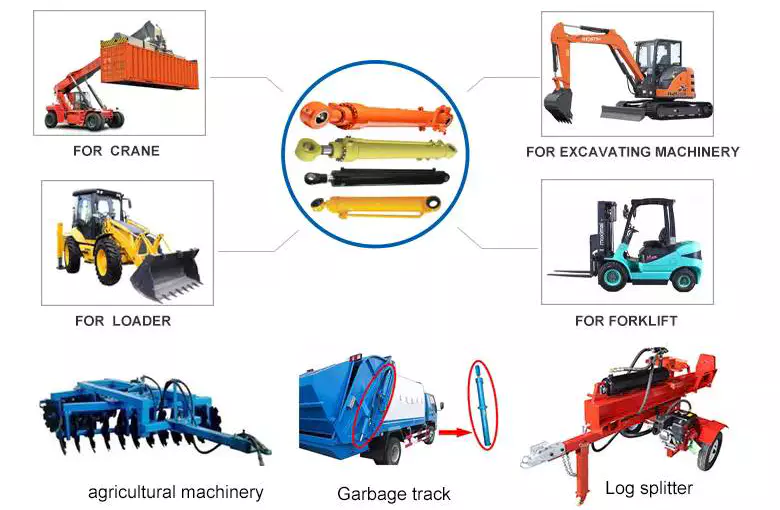
Ci sono tendenze emergenti nella tecnologia dei cilindri idraulici, come ad esempio le funzionalità intelligenti?
Sì, ci sono diverse tendenze emergenti nella tecnologia dei cilindri idraulici, tra cui l'integrazione di funzionalità intelligenti. Man mano che le industrie continuano ad adottare tecnologie avanzate e a ricercare una maggiore efficienza, i cilindri idraulici vengono dotati di funzionalità innovative per migliorarne le prestazioni e offrire ulteriori vantaggi. Ecco alcune delle tendenze emergenti nella tecnologia dei cilindri idraulici:
1. Integrazione dei sensori:
– Una delle tendenze più significative nella tecnologia dei cilindri idraulici è l'integrazione dei sensori. I sensori possono essere integrati nel cilindro idraulico per monitorare vari parametri come pressione, temperatura, posizione e carico. Questi sensori forniscono dati in tempo reale, consentendo il monitoraggio delle condizioni, la manutenzione predittiva e un migliore controllo operativo. Raccogliendo e analizzando i dati, gli operatori possono ottimizzare le prestazioni dei sistemi idraulici, rilevare in anticipo potenziali problemi e prevenirne i guasti, con conseguente aumento dell'affidabilità e riduzione dei tempi di fermo.
2. Connettività e IoT:
– I cilindri idraulici vengono integrati nell'ecosistema dell'Internet of Things (IoT), consentendo la connettività e lo scambio di dati. Collegando i cilindri idraulici a una rete, gli operatori possono monitorarne e controllarne le prestazioni da remoto. I cilindri idraulici abilitati all'IoT facilitano funzionalità come la diagnostica remota, l'ottimizzazione delle prestazioni e la manutenzione predittiva. L'aspetto della connettività consente una migliore integrazione con i sistemi complessivi delle apparecchiature e consente un processo decisionale basato sui dati, migliorando l'efficienza e la produttività.
3. Progetti ad alta efficienza energetica:
– Con la crescente attenzione alla sostenibilità e all'efficienza energetica, la tecnologia dei cilindri idraulici si sta evolvendo per incorporare funzionalità di risparmio energetico. I produttori stanno sviluppando cilindri idraulici con tecnologie di tenuta migliorate, attrito ridotto e dinamica del flusso dei fluidi ottimizzata. Questi progressi riducono al minimo le perdite di energia e aumentano l'efficienza complessiva del sistema. I cilindri idraulici a basso consumo energetico contribuiscono a ridurre il consumo energetico, i costi operativi e l'impatto ambientale.
4. Materiali e rivestimenti avanzati:
– L'utilizzo di materiali e rivestimenti avanzati è un'altra tendenza emergente nella tecnologia dei cilindri idraulici. I produttori stanno esplorando materiali leggeri, come compositi e leghe, per ridurre il peso complessivo dei cilindri idraulici senza comprometterne la resistenza e la durata. Inoltre, vengono applicati rivestimenti e trattamenti superficiali specializzati per migliorarne la resistenza alla corrosione, all'usura e la durata. Questi progressi aumentano la longevità e l'affidabilità dei cilindri idraulici, in particolare in ambienti difficili.
5. Sistemi di controllo intelligenti:
– La tecnologia dei cilindri idraulici sta abbracciando sistemi di controllo intelligenti che ottimizzano le prestazioni e abilitano funzionalità avanzate. Questi sistemi utilizzano algoritmi, apprendimento automatico e intelligenza artificiale per automatizzare i processi, adattarsi alle mutevoli condizioni e ottimizzare i movimenti dei cilindri idraulici. I sistemi di controllo intelligenti possono regolare i parametri in tempo reale, garantendo un funzionamento preciso ed efficiente. Questa tendenza consente una maggiore automazione, una maggiore produttività e una maggiore sicurezza nelle applicazioni dei sistemi idraulici.
6. Manutenzione predittiva:
– La manutenzione predittiva sta acquisendo importanza nella tecnologia dei cilindri idraulici. Utilizzando i dati raccolti da sensori e sistemi di monitoraggio, gli algoritmi di manutenzione predittiva possono analizzare le condizioni e le prestazioni dei cilindri idraulici. Questa analisi aiuta a identificare in anticipo potenziali guasti o degrado, consentendo azioni di manutenzione proattive. La manutenzione predittiva riduce i tempi di fermo non pianificati, prolunga la durata dei cilindri idraulici e ottimizza i programmi di manutenzione, con conseguente risparmio sui costi e maggiore disponibilità delle attrezzature.
7. Funzionalità di sicurezza avanzate:
– La tecnologia dei cilindri idraulici sta integrando funzionalità di sicurezza avanzate per migliorare la sicurezza dell'operatore e delle attrezzature. Queste funzionalità includono valvole di sicurezza integrate, sistemi di monitoraggio del carico e funzionalità di arresto di emergenza. I sistemi di sicurezza nei cilindri idraulici aiutano a prevenire incidenti, proteggono dai sovraccarichi e garantiscono un funzionamento affidabile. L'integrazione di funzionalità di sicurezza avanzate contribuisce a creare ambienti di lavoro più sicuri e a garantire la conformità alle più severe normative di sicurezza.
Queste tendenze emergenti nella tecnologia dei cilindri idraulici dimostrano l'attenzione del settore verso l'innovazione, l'ottimizzazione delle prestazioni e la sostenibilità. L'integrazione di funzionalità intelligenti, connettività, materiali avanzati e capacità di manutenzione predittiva consente ai cilindri idraulici di funzionare in modo più efficiente, fornire informazioni in tempo reale e migliorare le prestazioni complessive del sistema. Con il continuo progresso tecnologico, si prevede che la tecnologia dei cilindri idraulici evolverà ulteriormente, offrendo maggiore funzionalità ed efficienza per diversi settori e applicazioni.
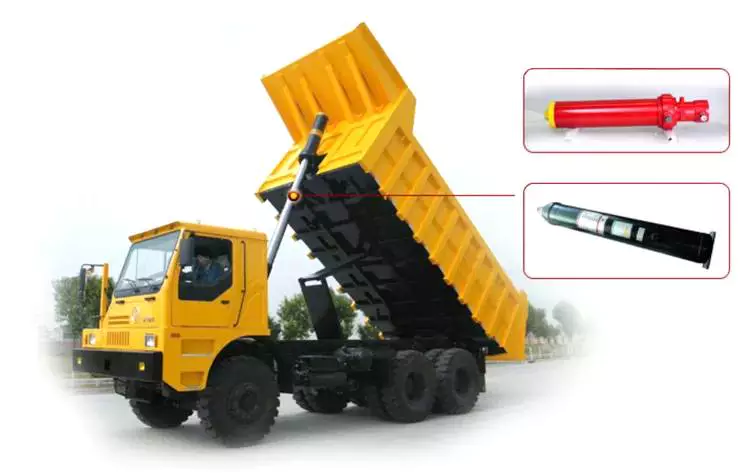
Advancements in Hydraulic Cylinder Technology Improving Corrosion Resistance
Advancements in hydraulic cylinder technology have led to significant improvements in corrosion resistance. Corrosion is a major concern in hydraulic systems, especially in environments where cylinders are exposed to moisture, chemicals, or corrosive agents. These advancements aim to enhance the durability and longevity of hydraulic cylinders. Let’s explore some of the key advancements in hydraulic cylinder technology that have improved corrosion resistance:
- Corrosion-Resistant Materials: The use of corrosion-resistant materials is a fundamental advancement in hydraulic cylinder technology. Stainless steel, for example, offers excellent resistance to corrosion, making it a popular choice in marine, offshore, and other corrosive environments. Additionally, advancements in metallurgy have led to the development of specialized alloys and coatings that provide enhanced corrosion resistance, extending the lifespan of hydraulic cylinders.
- Surface Treatments and Coatings: Various surface treatments and coatings have been developed to protect hydraulic cylinders from corrosion. These treatments can include electroplating, galvanizing, powder coating, and specialized corrosion-resistant coatings. These coatings create a barrier between the cylinder surface and corrosive elements, preventing direct contact and inhibiting the onset of corrosion. The selection of appropriate coatings depends on the specific application and environmental conditions.
- Sealing Technology: Effective sealing systems are crucial in preventing water, moisture, and contaminants from entering the cylinder and causing corrosion. Advancements in sealing technology have led to the development of high-quality seals and advanced sealing designs that offer superior resistance to corrosion. These seals are typically made from materials specifically engineered to withstand corrosive environments, ensuring long-term sealing performance and minimizing the risk of corrosion-related issues.
- Improved Surface Finishes: The surface finish of hydraulic cylinders plays a role in their resistance to corrosion. Advancements in machining and polishing techniques have allowed for smoother and more uniform surface finishes. Smoother surfaces reduce the likelihood of corrosion initiation and make it easier to clean and maintain hydraulic cylinders. Additionally, specialized finishes, such as passivation or chemical treatments, can be applied to further enhance corrosion resistance.
- Environmental Protection Features: Hydraulic cylinders can be equipped with additional features to protect against corrosion. These features may include protective boots, bellows, or shields that guard vulnerable areas from exposure to corrosive agents. By incorporating these protective elements into the design, hydraulic cylinders can withstand harsh environments and minimize the risk of corrosion-related damage.
In summary, advancements in hydraulic cylinder technology have significantly improved corrosion resistance. The use of corrosion-resistant materials, advanced surface treatments and coatings, innovative sealing technology, improved surface finishes, and the incorporation of environmental protection features have all contributed to enhanced durability and longevity of hydraulic cylinders in corrosive environments. These advancements ensure reliable performance and reduce the maintenance and replacement costs associated with corrosion-related issues.
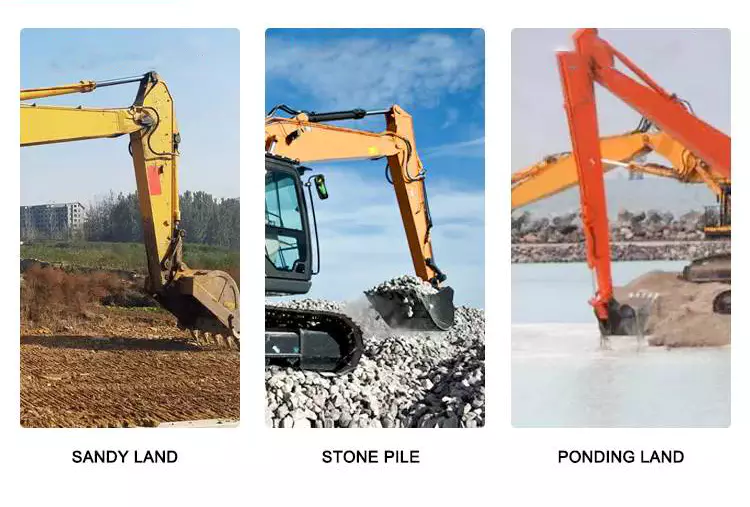
How do hydraulic cylinders generate force and motion using hydraulic fluid?
Hydraulic cylinders generate force and motion by utilizing the principles of fluid mechanics, specifically Pascal’s law, in conjunction with the properties of hydraulic fluid. The process involves the conversion of hydraulic energy into mechanical force and linear motion. Here’s a detailed explanation of how hydraulic cylinders achieve this:
1. Pascal’s Law:
– Hydraulic cylinders operate based on Pascal’s law, which states that when pressure is applied to a fluid in a confined space, it is transmitted equally in all directions. In the context of hydraulic cylinders, this means that when hydraulic fluid is pressurized, the force is evenly distributed throughout the fluid and transmitted to all surfaces in contact with the fluid.
2. Hydraulic Fluid and Pressure:
– Hydraulic systems use a specialized fluid, typically hydraulic oil, as the working medium. This fluid is stored in a reservoir and circulated through the system by a hydraulic pump. The pump pressurizes the fluid, creating hydraulic pressure that can be controlled and directed to various components, including hydraulic cylinders.
3. Cylinder Design and Components:
– Hydraulic cylinders consist of several key components, including a cylindrical barrel, a piston, a piston rod, and various seals. The barrel is a hollow tube that houses the piston and allows for fluid flow. The piston divides the cylinder into two chambers: the rod side and the cap side. The piston rod extends from the piston and provides a connection point for external loads. Seals are used to prevent fluid leakage and maintain hydraulic pressure within the cylinder.
4. Fluid Input and Motion:
– To generate force and motion, hydraulic fluid is directed into one side of the cylinder, creating pressure on the corresponding surface of the piston. This pressure is transmitted through the fluid to the other side of the piston.
5. Force Generation:
– The force generated by a hydraulic cylinder is a result of the pressure applied to a specific surface area of the piston. The force exerted by the hydraulic cylinder can be calculated using the formula: Force = Pressure × Area. The area is determined by the diameter of the piston or the piston rod, depending on which side of the cylinder the fluid is acting upon.
6. Linear Motion:
– As the pressurized hydraulic fluid acts on the piston, it generates a force that moves the piston in a linear direction within the cylinder. This linear motion is transferred to the piston rod, which extends or retracts accordingly. The piston rod can be connected to external components or machinery, allowing the generated force to perform various tasks, such as lifting, pushing, pulling, or controlling mechanisms.
7. Control and Regulation:
– The force and motion generated by hydraulic cylinders can be controlled and regulated by adjusting the flow of hydraulic fluid into the cylinder. By regulating the flow rate, pressure, and direction of the fluid, the speed, force, and direction of the cylinder’s movement can be precisely controlled. This control allows for accurate positioning, smooth operation, and synchronization of multiple cylinders in complex machinery.
8. Return and Recirculation of Fluid:
– After the hydraulic cylinder completes its stroke, the hydraulic fluid on the opposite side of the piston needs to be returned to the reservoir. This is typically achieved through hydraulic valves that control the flow direction, allowing the fluid to return and be recirculated in the system for further use.
In summary, hydraulic cylinders generate force and motion by utilizing the principles of Pascal’s law. Pressurized hydraulic fluid acts on the piston, creating force that moves the piston in a linear direction. This linear motion is transferred to the piston rod, allowing the generated force to perform various tasks. By controlling the flow of hydraulic fluid, the force and motion of hydraulic cylinders can be precisely regulated, contributing to their versatility and wide range of applications in machinery.


editor by CX 2023-10-25