Product Description
Durable popular garbage truck hydraulic cylinder with buffer valves
- Product information
- Specification
|
Materiale
|
Tube – Cold Drawn / Honed Tubing Piston Rod – Chromed, ground & polished 45#steel Rod Seals – Polyurethane U-Cap End Caps – Steel, threaded fixed Wear Ring – Nylon Backup Washer Mounts – Trunnion with angular Swivels |
|
Applicazione
|
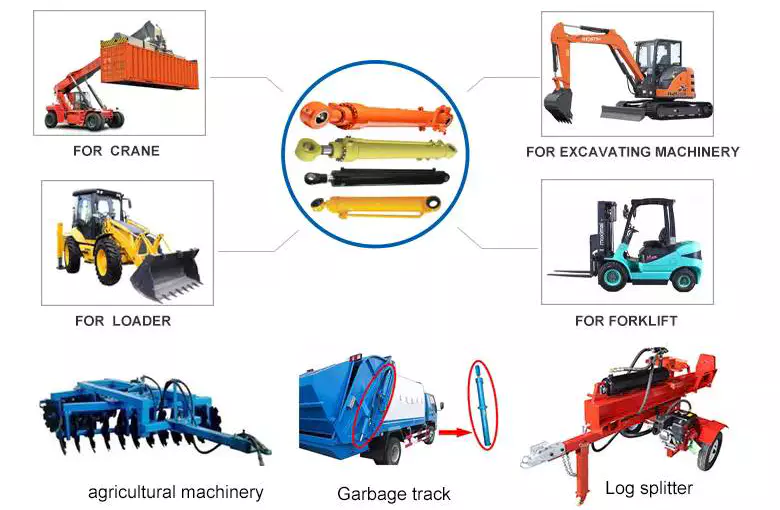
Agriculture, Concrete & Asphalt, Cranes, Fire & Rescue,Forestry & Logging,Mining & Rock Crushing,Oil & Gas,Snow & Ice Control,Waste Management and Material Recycling Industry , Engineering Equipment, Special Vehicle, Fitness equipment
|
|
Feature |
1.High quality with a reasonable price 2.ISO9001-2008 3.Customized specification are accepted |
|
Payment |
T/T;L/C,WESTERN UNION |
|
Port |
HangZhou/ZheJiang , China |
|
Quotation |
According to the specific request |
|
Quantità minima d'ordine |
According to the product |
|
Confezione
|
cassa di metallo; cassa di compensato; cartone o secondo necessità |
|
Delivery time |
30days upon receipt of 30% deposit; or upon receipt of relevant L/C; |
- About us
We specialize in this line for more than 20 years and trader with main products as follows: hydraulic cylinders, hydraulic power units, hydraulic manifolds-blocks, hydraulic flanges,pneumatic cylinders and custom-made components and parts, like industrial valves.
Our sales markets have covered North America, Europe, Australia, Japan and ect.
- Working Process
- Packaging & shipping
- Domande frequenti
Q1: Do you accept OEM manufacturing?
A1: Yes! We do accept OEM manufacturing. We will quote you the exact price and make the exact cylinder according to your specification and drawing.
Q2: Can we design our own package or print our own logo?
A2: Yes! Package and logo will be made acording to your requirements.
Q3: Could we get small quantity samples?
A3: Yes! We understand the quality test is important and we are glad to make the sample for you. The MOQ is 1pcs.
Q4: How long is the production time?
A4: Generally the production time is 30 days.
Q5: What is the warranty?
A5: 12 months against B/L date.
Contact me, any comments will be appreciated.
Ellen Wang
| Certification: | CE, ISO9001 |
|---|---|
| Pressure: | Medium Pressure |
| Work Temperature: | Normal Temperature |
| Samples: |
US$ 159/Piece
1 Piece(Min.Order) | Order Sample |
|---|
| Customization: |
Available
|
|
|---|
.shipping-cost-tm .tm-status-off{background: none;padding:0;color: #1470cc}
| Shipping Cost:
Estimated freight per unit. |
about shipping cost and estimated delivery time. |
|---|
| Payment Method: |
|
|---|---|
|
Initial Payment Full Payment |
| Currency: | US$ |
|---|
| Return&refunds: | You can apply for a refund up to 30 days after receipt of the products. |
|---|
Ci sono tendenze emergenti nella tecnologia dei cilindri idraulici, come ad esempio le funzionalità intelligenti?
Sì, ci sono diverse tendenze emergenti nella tecnologia dei cilindri idraulici, tra cui l'integrazione di funzionalità intelligenti. Man mano che le industrie continuano ad adottare tecnologie avanzate e a ricercare una maggiore efficienza, i cilindri idraulici vengono dotati di funzionalità innovative per migliorarne le prestazioni e offrire ulteriori vantaggi. Ecco alcune delle tendenze emergenti nella tecnologia dei cilindri idraulici:
1. Integrazione dei sensori:
– Una delle tendenze più significative nella tecnologia dei cilindri idraulici è l'integrazione dei sensori. I sensori possono essere integrati nel cilindro idraulico per monitorare vari parametri come pressione, temperatura, posizione e carico. Questi sensori forniscono dati in tempo reale, consentendo il monitoraggio delle condizioni, la manutenzione predittiva e un migliore controllo operativo. Raccogliendo e analizzando i dati, gli operatori possono ottimizzare le prestazioni dei sistemi idraulici, rilevare in anticipo potenziali problemi e prevenirne i guasti, con conseguente aumento dell'affidabilità e riduzione dei tempi di fermo.
2. Connettività e IoT:
– I cilindri idraulici vengono integrati nell'ecosistema dell'Internet of Things (IoT), consentendo la connettività e lo scambio di dati. Collegando i cilindri idraulici a una rete, gli operatori possono monitorarne e controllarne le prestazioni da remoto. I cilindri idraulici abilitati all'IoT facilitano funzionalità come la diagnostica remota, l'ottimizzazione delle prestazioni e la manutenzione predittiva. L'aspetto della connettività consente una migliore integrazione con i sistemi complessivi delle apparecchiature e consente un processo decisionale basato sui dati, migliorando l'efficienza e la produttività.
3. Progetti ad alta efficienza energetica:
– Con la crescente attenzione alla sostenibilità e all'efficienza energetica, la tecnologia dei cilindri idraulici si sta evolvendo per incorporare funzionalità di risparmio energetico. I produttori stanno sviluppando cilindri idraulici con tecnologie di tenuta migliorate, attrito ridotto e dinamica del flusso dei fluidi ottimizzata. Questi progressi riducono al minimo le perdite di energia e aumentano l'efficienza complessiva del sistema. I cilindri idraulici a basso consumo energetico contribuiscono a ridurre il consumo energetico, i costi operativi e l'impatto ambientale.
4. Materiali e rivestimenti avanzati:
– L'utilizzo di materiali e rivestimenti avanzati è un'altra tendenza emergente nella tecnologia dei cilindri idraulici. I produttori stanno esplorando materiali leggeri, come compositi e leghe, per ridurre il peso complessivo dei cilindri idraulici senza comprometterne la resistenza e la durata. Inoltre, vengono applicati rivestimenti e trattamenti superficiali specializzati per migliorarne la resistenza alla corrosione, all'usura e la durata. Questi progressi aumentano la longevità e l'affidabilità dei cilindri idraulici, in particolare in ambienti difficili.
5. Sistemi di controllo intelligenti:
– La tecnologia dei cilindri idraulici sta abbracciando sistemi di controllo intelligenti che ottimizzano le prestazioni e abilitano funzionalità avanzate. Questi sistemi utilizzano algoritmi, apprendimento automatico e intelligenza artificiale per automatizzare i processi, adattarsi alle mutevoli condizioni e ottimizzare i movimenti dei cilindri idraulici. I sistemi di controllo intelligenti possono regolare i parametri in tempo reale, garantendo un funzionamento preciso ed efficiente. Questa tendenza consente una maggiore automazione, una maggiore produttività e una maggiore sicurezza nelle applicazioni dei sistemi idraulici.
6. Manutenzione predittiva:
– La manutenzione predittiva sta acquisendo importanza nella tecnologia dei cilindri idraulici. Utilizzando i dati raccolti da sensori e sistemi di monitoraggio, gli algoritmi di manutenzione predittiva possono analizzare le condizioni e le prestazioni dei cilindri idraulici. Questa analisi aiuta a identificare in anticipo potenziali guasti o degrado, consentendo azioni di manutenzione proattive. La manutenzione predittiva riduce i tempi di fermo non pianificati, prolunga la durata dei cilindri idraulici e ottimizza i programmi di manutenzione, con conseguente risparmio sui costi e maggiore disponibilità delle attrezzature.
7. Funzionalità di sicurezza avanzate:
– La tecnologia dei cilindri idraulici sta integrando funzionalità di sicurezza avanzate per migliorare la sicurezza dell'operatore e delle attrezzature. Queste funzionalità includono valvole di sicurezza integrate, sistemi di monitoraggio del carico e funzionalità di arresto di emergenza. I sistemi di sicurezza nei cilindri idraulici aiutano a prevenire incidenti, proteggono dai sovraccarichi e garantiscono un funzionamento affidabile. L'integrazione di funzionalità di sicurezza avanzate contribuisce a creare ambienti di lavoro più sicuri e a garantire la conformità alle più severe normative di sicurezza.
Queste tendenze emergenti nella tecnologia dei cilindri idraulici dimostrano l'attenzione del settore verso l'innovazione, l'ottimizzazione delle prestazioni e la sostenibilità. L'integrazione di funzionalità intelligenti, connettività, materiali avanzati e capacità di manutenzione predittiva consente ai cilindri idraulici di funzionare in modo più efficiente, fornire informazioni in tempo reale e migliorare le prestazioni complessive del sistema. Con il continuo progresso tecnologico, si prevede che la tecnologia dei cilindri idraulici evolverà ulteriormente, offrendo maggiore funzionalità ed efficienza per diversi settori e applicazioni.
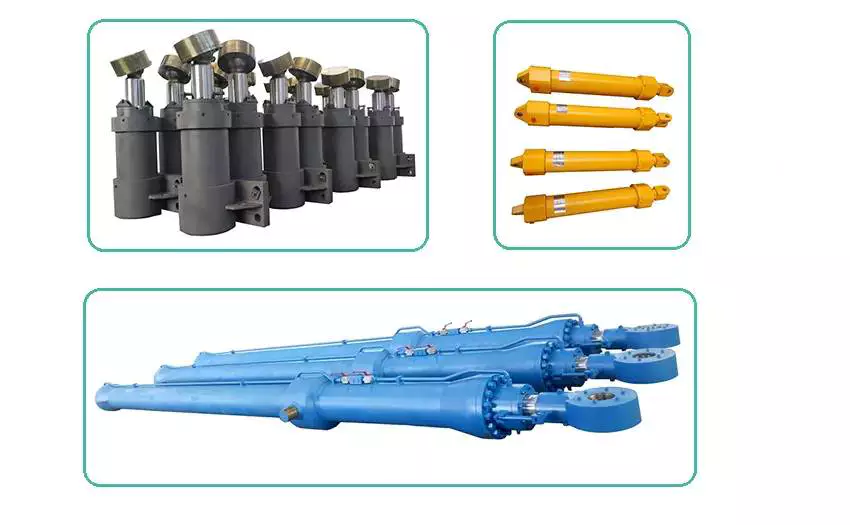
Contribution of Hydraulic Cylinders to the Efficiency of Agricultural Tasks like Plowing
Hydraulic cylinders play a significant role in enhancing the efficiency of agricultural tasks, including plowing. By providing power, control, and versatility, hydraulic cylinders enable agricultural machinery to perform tasks more effectively and with greater precision. Let’s explore how hydraulic cylinders contribute to the efficiency of plowing and other agricultural tasks:
- Powerful Force Generation: Hydraulic cylinders are capable of generating high forces, making them ideal for tasks that require substantial power, such as plowing. The hydraulic system provides pressurized fluid to the cylinders, which convert this hydraulic energy into mechanical force. This force is then utilized to drive plow blades through the soil, overcoming resistance and facilitating efficient soil penetration.
- Adjustable Working Depth: Hydraulic cylinders allow for easy and precise adjustment of plow working depth. By controlling the extension or retraction of the hydraulic cylinder, the depth of the plow blades can be adjusted according to soil conditions, crop requirements, or the farmer’s preferences. This adjustability enhances efficiency by ensuring optimal soil tillage and minimizing unnecessary energy expenditure.
- Responsive Control: Hydraulic systems offer highly responsive control, enabling farmers to make quick adjustments during plowing operations. Hydraulic cylinders respond rapidly to changes in hydraulic pressure and valve settings, allowing for immediate modifications in the plow’s position, depth, or angle. This responsiveness enhances efficiency by facilitating on-the-go adjustments based on soil variations, obstacles, or changing field conditions.
- Implement Versatility: Hydraulic cylinders enable the attachment of various implements to agricultural machinery, expanding their functionality and versatility. In the case of plowing, hydraulic cylinders allow for the attachment and detachment of plow blades or other tillage implements. This versatility enables farmers to adapt their equipment to different soil types, field sizes, or specific plowing requirements, enhancing efficiency by maximizing the utility of the machinery.
- Efficient Time Management: Hydraulic cylinders contribute to time efficiency in agricultural tasks like plowing. With hydraulic systems, farmers can operate plows at higher speeds while maintaining control and precision. The responsive nature of hydraulic cylinders allows for efficient turning, maneuvering, and repositioning of plows, minimizing downtime and optimizing field coverage. This time efficiency translates into increased productivity and reduced overall operational costs.
In summary, hydraulic cylinders significantly contribute to the efficiency of agricultural tasks like plowing. Through powerful force generation, adjustable working depth, responsive control, implement versatility, and efficient time management, hydraulic systems equipped with cylinders enhance the performance and productivity of agricultural machinery. These contributions allow farmers to accomplish plowing tasks more effectively, optimize field operations, and achieve improved overall efficiency in their agricultural practices.
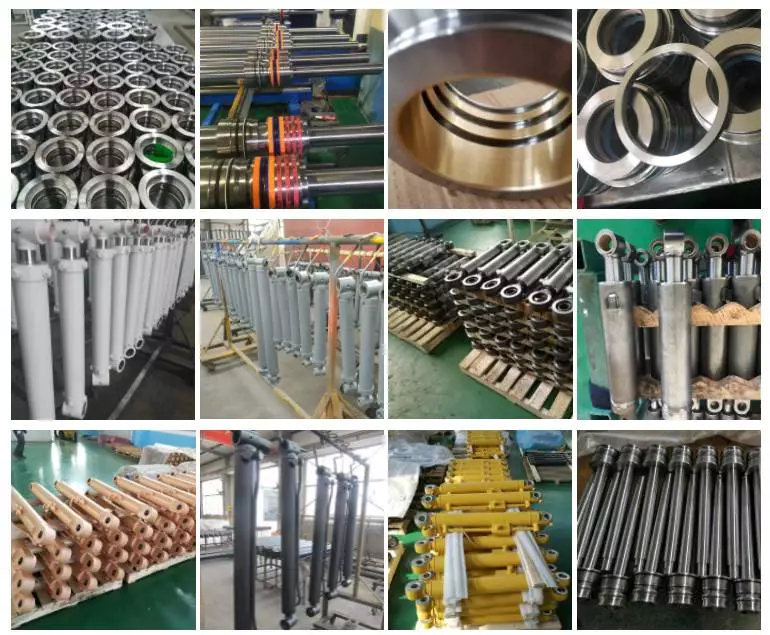
What are the common signs of wear or leakage that indicate hydraulic cylinder issues?
Hydraulic cylinders are critical components in hydraulic systems, and wear or leakage can lead to performance issues and potential system failures. It is important to be aware of the common signs that indicate hydraulic cylinder problems. Here’s a detailed explanation of the common signs of wear or leakage that indicate hydraulic cylinder issues:
1. Fluid Leakage:
– Fluid leakage is one of the most obvious signs of hydraulic cylinder problems. If you notice hydraulic fluid leaking from the cylinder, it indicates a seal failure or damage to the cylinder. Leaking fluid may be visible around the rod, piston, or cylinder body. It is important to address fluid leakage promptly as it can lead to a loss of system efficiency, contamination of the surrounding environment, and potential damage to other system components.
2. Reduced Performance:
– Wear or internal damage to the hydraulic cylinder can result in reduced performance. You may notice a decrease in the cylinder’s force output, slower operation, or difficulty in extending or retracting the cylinder. Reduced performance can be indicative of worn seals, damaged piston or rod, internal leakage, or contamination within the cylinder. Any noticeable decrease in the cylinder’s performance should be inspected and addressed to prevent further damage or system inefficiencies.
3. Abnormal Noise or Vibrations:
– Unusual noise or vibrations during the operation of a hydraulic cylinder can indicate internal wear or damage. Excessive noise, knocking sounds, or vibrations that are not typical for the system may suggest problems such as worn bearings, misalignment, or loose internal components. These signs should be investigated to identify the source of the issue and take appropriate corrective measures.
4. Excessive Heat:
– Overheating of the hydraulic cylinder is another sign of potential issues. If the cylinder feels excessively hot to the touch during normal operation, it may indicate problems such as internal leakage, fluid contamination, or inadequate lubrication. Excessive heat can lead to accelerated wear, reduced efficiency, and overall system malfunctions. Monitoring the temperature of the hydraulic cylinder is important to detect and address potential problems.
5. External Damage:
– Physical damage to the hydraulic cylinder, such as dents, scratches, or bent rods, can contribute to wear and leakage issues. External damage can compromise the integrity of the cylinder, leading to fluid leakage, misalignment, or inefficient operation. Regular inspection of the cylinder’s external condition is essential to identify any visible signs of damage and take appropriate actions.
6. Seal Failure:
– Hydraulic cylinder seals are critical components that prevent fluid leakage and maintain system integrity. Signs of seal failure include fluid leakage, reduced performance, and increased friction during cylinder operation. Damaged or worn seals should be replaced promptly to prevent further deterioration of the cylinder’s performance and potential damage to other system components.
7. Contamination:
– Contamination within the hydraulic cylinder can cause wear, damage to seals, and overall system inefficiencies. Signs of contamination include the presence of foreign particles, debris, or sludge in the hydraulic fluid or visible damage to seals and other internal components. Regular fluid analysis and maintenance practices should be implemented to prevent contamination and address any signs of contamination promptly.
8. Irregular Seal Wear:
– Hydraulic cylinder seals can wear over time due to friction, pressure, and operating conditions. Irregular seal wear patterns, such as uneven wear or excessive wear in specific areas, may indicate misalignment or improper installation. Monitoring the condition of the seals during regular maintenance can help identify potential issues and prevent premature seal failure.
It is important to address these common signs of wear or leakage promptly to prevent further damage, ensure the optimal performance of hydraulic cylinders, and maintain the overall efficiency and reliability of the hydraulic system. Regular inspection, maintenance, and timely repairs or replacements of damaged components are key to mitigating hydraulic cylinder issues and maximizing system longevity.

editor by CX 2023-11-23