Product Description
| Product Name: | Lift Hydraulic Cylinder | Application: | Track Type Tractor |
| Machine Model: | D9R D9T D9N D8L | Part Number: | 165-8633 6E-4433 4Z-6172 |
| Lead Time: | Check with sales | Part Type: | New replacement |
Caterpillar Track Type Tractor:
D11 D11N D11R D11T D10 D10N D10R D10T D10T2 D9N D9R D9T D9E D9G D9H D9L D8N D8R D8T D8H D8K D8L D8 D7H D7R D7RII D7E D7F D7G D7G2 D6N D6R D6T D6 D6C D6D D6E D6F D6G D6G2 D6H D6K D6M D5 D5R D5R2 D5B D5C D5E D5G D5H D5K D5K2 D5M D5N D4G D3G
Caterpillar Wheel Dozer:
834 834H 834K 844 844K 844H 854K 854G
Caterpillar Diesel Engine:
3054C S6K 3126 3126B 3126E 3176B 3176C GB 3306C GB 3406C 3406E 3408 3408B 3408C 3408E GC 3412D 3412E GB 3508C GB 3512C G3512 PMB G3516 PM 3616 G3606 G3606B G3608 G3612 G3616 C4.2 C4.4 C6.4 C6.6 C7 C7.1 C9 C9.3 C-9 C-10 C11 C-12 C13 C13B C-15 C15 C-16 C18 C27 C32 C175 C280 D333 G333 D334 D337 D342 D343 D346 D348 D353 D364 D375 D379 D379B G379 D386 D397 D398 D398B G398
Domande frequenti
Q:How to ship the goods?
A:UPS, DHL, FedEx, EMS, Air Freight and Sea Freight are ok with us.
Q:Are you factory or trading company?
A:We are factory and OEM factory previously and also wholesaler of the whole spare parts of excavator.
Q:How can I pay for the orders?
A:We accept RMB/USD bank transfer, Western Union, T/T and L/C.
Q:How can you help me if the goods I receive has quality problems
A:We replace them freely during the warranty period and are responsible for all the products we sell.
Q:How many Cat replacement parts can you supply?
A:We can supply +50000 Cat part numbers,mainly for Cat excavators,engines,dozers,wheel loaders,motor graders and off highway truck.
Q:How about your team members?
A:Our team members are mainly from former CHINAMFG employee and Cat dealer employee with more than 10 years work experience in CHINAMFG or Cat dealer.
Q:Do you have a stable supplier base?
A:We are located in HangZhou city, where there is a huge CHINAMFG excavators facility. So,there is a very strong supplier base
with high quality.
Q:How much for a sample?
A:Please tell me the samples and other details you want, and I will quote you as soon as possible.
/* May 10, 2571 16:49:51 */!function(){function d(e,r){var a,o={};try{e&&e.split(“,”).forEach(function(e,t){e&&(a=e.match(/(.*?):(.*)$/))&&1
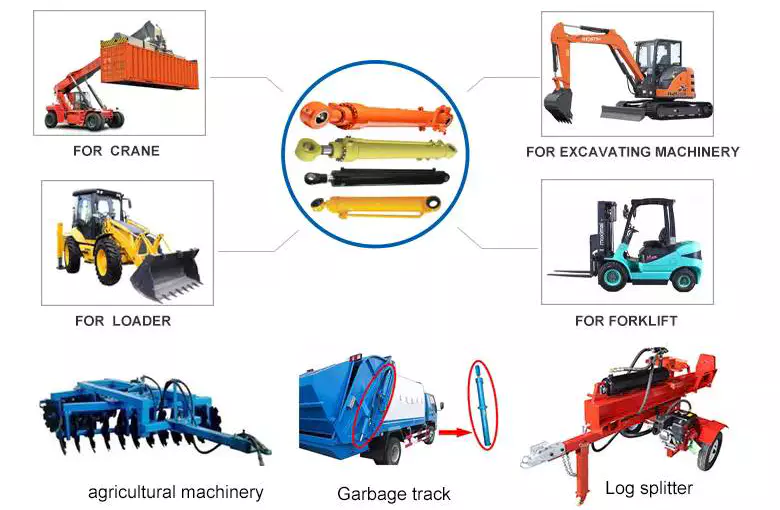
Ci sono tendenze emergenti nella tecnologia dei cilindri idraulici, come ad esempio le funzionalità intelligenti?
Sì, ci sono diverse tendenze emergenti nella tecnologia dei cilindri idraulici, tra cui l'integrazione di funzionalità intelligenti. Man mano che le industrie continuano ad adottare tecnologie avanzate e a ricercare una maggiore efficienza, i cilindri idraulici vengono dotati di funzionalità innovative per migliorarne le prestazioni e offrire ulteriori vantaggi. Ecco alcune delle tendenze emergenti nella tecnologia dei cilindri idraulici:
1. Integrazione dei sensori:
– Una delle tendenze più significative nella tecnologia dei cilindri idraulici è l'integrazione dei sensori. I sensori possono essere integrati nel cilindro idraulico per monitorare vari parametri come pressione, temperatura, posizione e carico. Questi sensori forniscono dati in tempo reale, consentendo il monitoraggio delle condizioni, la manutenzione predittiva e un migliore controllo operativo. Raccogliendo e analizzando i dati, gli operatori possono ottimizzare le prestazioni dei sistemi idraulici, rilevare in anticipo potenziali problemi e prevenirne i guasti, con conseguente aumento dell'affidabilità e riduzione dei tempi di fermo.
2. Connettività e IoT:
– I cilindri idraulici vengono integrati nell'ecosistema dell'Internet of Things (IoT), consentendo la connettività e lo scambio di dati. Collegando i cilindri idraulici a una rete, gli operatori possono monitorarne e controllarne le prestazioni da remoto. I cilindri idraulici abilitati all'IoT facilitano funzionalità come la diagnostica remota, l'ottimizzazione delle prestazioni e la manutenzione predittiva. L'aspetto della connettività consente una migliore integrazione con i sistemi complessivi delle apparecchiature e consente un processo decisionale basato sui dati, migliorando l'efficienza e la produttività.
3. Progetti ad alta efficienza energetica:
– Con la crescente attenzione alla sostenibilità e all'efficienza energetica, la tecnologia dei cilindri idraulici si sta evolvendo per incorporare funzionalità di risparmio energetico. I produttori stanno sviluppando cilindri idraulici con tecnologie di tenuta migliorate, attrito ridotto e dinamica del flusso dei fluidi ottimizzata. Questi progressi riducono al minimo le perdite di energia e aumentano l'efficienza complessiva del sistema. I cilindri idraulici a basso consumo energetico contribuiscono a ridurre il consumo energetico, i costi operativi e l'impatto ambientale.
4. Materiali e rivestimenti avanzati:
– L'utilizzo di materiali e rivestimenti avanzati è un'altra tendenza emergente nella tecnologia dei cilindri idraulici. I produttori stanno esplorando materiali leggeri, come compositi e leghe, per ridurre il peso complessivo dei cilindri idraulici senza comprometterne la resistenza e la durata. Inoltre, vengono applicati rivestimenti e trattamenti superficiali specializzati per migliorarne la resistenza alla corrosione, all'usura e la durata. Questi progressi aumentano la longevità e l'affidabilità dei cilindri idraulici, in particolare in ambienti difficili.
5. Sistemi di controllo intelligenti:
– La tecnologia dei cilindri idraulici sta abbracciando sistemi di controllo intelligenti che ottimizzano le prestazioni e abilitano funzionalità avanzate. Questi sistemi utilizzano algoritmi, apprendimento automatico e intelligenza artificiale per automatizzare i processi, adattarsi alle mutevoli condizioni e ottimizzare i movimenti dei cilindri idraulici. I sistemi di controllo intelligenti possono regolare i parametri in tempo reale, garantendo un funzionamento preciso ed efficiente. Questa tendenza consente una maggiore automazione, una maggiore produttività e una maggiore sicurezza nelle applicazioni dei sistemi idraulici.
6. Manutenzione predittiva:
– La manutenzione predittiva sta acquisendo importanza nella tecnologia dei cilindri idraulici. Utilizzando i dati raccolti da sensori e sistemi di monitoraggio, gli algoritmi di manutenzione predittiva possono analizzare le condizioni e le prestazioni dei cilindri idraulici. Questa analisi aiuta a identificare in anticipo potenziali guasti o degrado, consentendo azioni di manutenzione proattive. La manutenzione predittiva riduce i tempi di fermo non pianificati, prolunga la durata dei cilindri idraulici e ottimizza i programmi di manutenzione, con conseguente risparmio sui costi e maggiore disponibilità delle attrezzature.
7. Funzionalità di sicurezza avanzate:
– La tecnologia dei cilindri idraulici sta integrando funzionalità di sicurezza avanzate per migliorare la sicurezza dell'operatore e delle attrezzature. Queste funzionalità includono valvole di sicurezza integrate, sistemi di monitoraggio del carico e funzionalità di arresto di emergenza. I sistemi di sicurezza nei cilindri idraulici aiutano a prevenire incidenti, proteggono dai sovraccarichi e garantiscono un funzionamento affidabile. L'integrazione di funzionalità di sicurezza avanzate contribuisce a creare ambienti di lavoro più sicuri e a garantire la conformità alle più severe normative di sicurezza.
Queste tendenze emergenti nella tecnologia dei cilindri idraulici dimostrano l'attenzione del settore verso l'innovazione, l'ottimizzazione delle prestazioni e la sostenibilità. L'integrazione di funzionalità intelligenti, connettività, materiali avanzati e capacità di manutenzione predittiva consente ai cilindri idraulici di funzionare in modo più efficiente, fornire informazioni in tempo reale e migliorare le prestazioni complessive del sistema. Con il continuo progresso tecnologico, si prevede che la tecnologia dei cilindri idraulici evolverà ulteriormente, offrendo maggiore funzionalità ed efficienza per diversi settori e applicazioni.
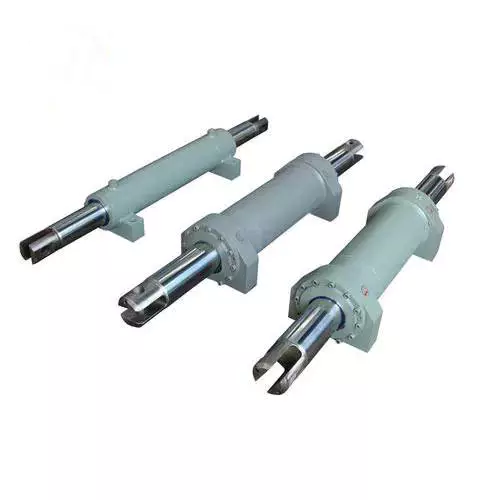
Ensuring Stable Performance of Hydraulic Cylinders Under Fluctuating Loads
Hydraulic cylinders are designed to provide stable performance even under fluctuating loads. They achieve this through various mechanisms and features that allow for efficient load control and compensation. Let’s explore how hydraulic cylinders ensure stable performance under fluctuating loads:
- Piston Design: The piston inside the hydraulic cylinder plays a crucial role in load control. It is typically equipped with seals and rings that prevent leakage of hydraulic fluid and ensure effective transfer of force. The piston design may incorporate features such as stepped or tandem pistons, which provide enhanced load-bearing capabilities and improved stability by distributing the load across multiple surfaces.
- Cylinder Cushioning: Hydraulic cylinders often incorporate cushioning mechanisms to minimize the impact and shock caused by fluctuating loads. Cushioning can be achieved through various methods, such as adjustable cushion screws, hydraulic cushioning valves, or elastomeric cushioning rings. These mechanisms slow down the piston’s movement near the end of the stroke, reducing the impact and preventing sudden stops that could lead to instability.
- Pressure Compensation: Fluctuating loads can result in pressure variations within the hydraulic system. To ensure stable performance, hydraulic cylinders are equipped with pressure compensation mechanisms. These mechanisms maintain a consistent pressure level in the system, regardless of load changes. Pressure compensation can be achieved through the use of pressure relief valves, compensating pistons, or pressure-compensated flow control valves.
- Flow Control: Hydraulic cylinders often incorporate flow control valves to regulate the speed of the cylinder’s movement. By controlling the flow rate of hydraulic fluid, the cylinder’s motion can be adjusted to match the changing load conditions. Flow control valves allow for smooth and controlled movement, preventing abrupt changes that could lead to instability.
- Feedback Systems: To ensure stable performance under fluctuating loads, hydraulic cylinders can be integrated with feedback systems. These systems provide real-time information on the cylinder’s position, velocity, and force. By continuously monitoring these parameters, the hydraulic system can make immediate adjustments to maintain stability and compensate for load fluctuations. Feedback systems can include position sensors, pressure sensors, or load sensors, depending on the specific application.
- Proper Sizing and Selection: Ensuring stable performance under fluctuating loads starts with proper sizing and selection of hydraulic cylinders. It is crucial to choose cylinders with appropriate bore size, rod diameter, and stroke length to match the anticipated load conditions. Oversized or undersized cylinders can lead to instability and reduced performance. Proper sizing also involves considering factors such as the required force, speed, and duty cycle of the application.
In summary, hydraulic cylinders ensure stable performance under fluctuating loads through features such as piston design, cushioning mechanisms, pressure compensation, flow control, feedback systems, and proper sizing and selection. These mechanisms and considerations allow hydraulic cylinders to provide consistent and controlled movement, even in dynamic load conditions, resulting in reliable and stable performance.
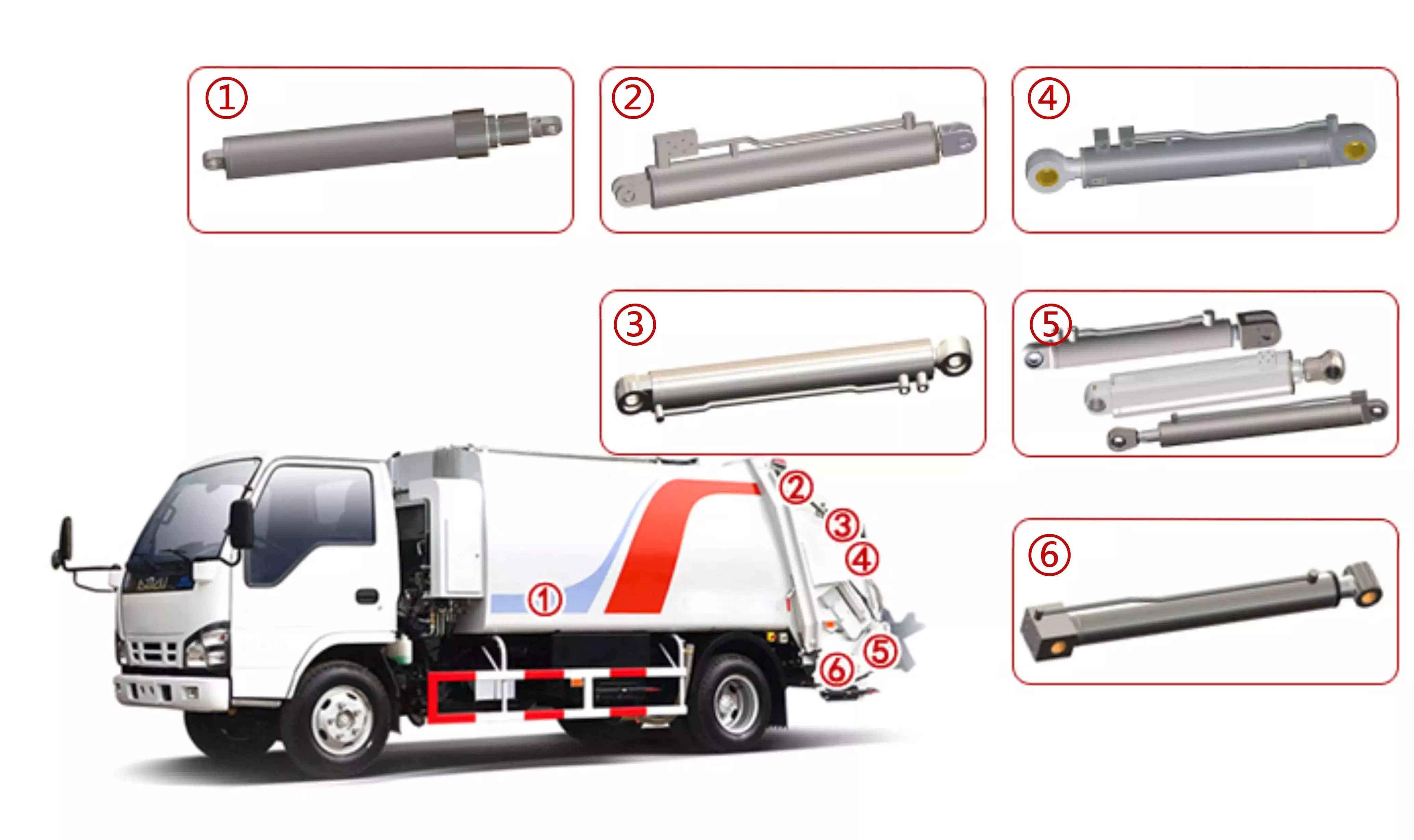
How do hydraulic cylinders accommodate variations in stroke length and force requirements?
Hydraulic cylinders are designed to accommodate variations in stroke length and force requirements, providing flexibility and adaptability for different applications. They can be tailored to meet specific needs by considering factors such as piston diameter, rod diameter, hydraulic pressure, and cylinder design. Here’s a detailed explanation of how hydraulic cylinders accommodate variations in stroke length and force requirements:
1. Cylinder Size and Design:
– Hydraulic cylinders come in various sizes and designs to accommodate different stroke lengths and force requirements. The cylinder’s diameter, piston area, and rod diameter are key factors that determine the force output. Larger cylinder diameters and piston areas can generate greater force, while smaller diameters are suitable for applications requiring lower force. By selecting the appropriate cylinder size and design, stroke lengths and force requirements can be effectively accommodated.
2. Piston and Rod Configurations:
– Hydraulic cylinders can be designed with different piston and rod configurations to accommodate variations in stroke length. Single-acting cylinders have a single piston and can provide a stroke in one direction. Double-acting cylinders have a piston on both sides, allowing for strokes in both directions. Telescopic cylinders consist of multiple stages that can extend and retract, providing a longer stroke length compared to standard cylinders. By selecting the appropriate piston and rod configuration, the desired stroke length can be achieved.
3. Hydraulic Pressure and Flow:
– The hydraulic pressure and flow rate supplied to the cylinder play a crucial role in accommodating variations in force requirements. Increasing the hydraulic pressure increases the force output of the cylinder, enabling it to handle higher force requirements. By adjusting the pressure and flow rate through hydraulic valves and pumps, the force output can be controlled and matched to the specific requirements of the application.
4. Customization and Tailoring:
– Hydraulic cylinders can be customized and tailored to meet specific stroke length and force requirements. Manufacturers offer a wide range of cylinder sizes, stroke lengths, and force capacities to choose from. Additionally, custom-designed cylinders can be manufactured to suit unique applications with specific stroke length and force demands. By working closely with hydraulic cylinder manufacturers, it is possible to obtain cylinders that precisely match the required stroke length and force requirements.
5. Multiple Cylinders and Synchronization:
– In applications that require high force or longer stroke lengths, multiple hydraulic cylinders can be used in combination. By synchronizing the movement of multiple cylinders through the hydraulic system, the stroke length and force output can be effectively increased. Synchronization can be achieved using mechanical linkages, electronic controls, or hydraulic circuitry, ensuring coordinated movement and force distribution across the cylinders.
6. Load-Sensing and Pressure Control:
– Hydraulic systems can incorporate load-sensing and pressure control mechanisms to accommodate variations in force requirements. Load-sensing systems monitor the load demand and adjust the hydraulic pressure accordingly, ensuring that the cylinder delivers the required force without exerting excessive force. Pressure control valves regulate the pressure within the hydraulic system, allowing for precise control and adjustment of the force output based on the application’s needs.
7. Safety Considerations:
– When accommodating variations in stroke length and force requirements, it is essential to consider safety factors. Hydraulic cylinders should be selected and designed with an appropriate safety margin to handle unexpected loads or variations in operating conditions. Safety mechanisms such as overload protection valves and pressure relief valves can be incorporated to prevent damage or failure in situations where the force limits are exceeded.
By considering factors such as cylinder size and design, piston and rod configurations, hydraulic pressure and flow, customization options, synchronization, load-sensing, pressure control, and safety considerations, hydraulic cylinders can effectively accommodate variations in stroke length and force requirements. This flexibility allows hydraulic cylinders to be tailored to meet the specific demands of a wide range of applications, ensuring optimal performance and efficiency.
<img src="https://img.jiansujichilun.com/img/hydrauliccylinders/hydrauliccylinders-l1.webp" alt="China OEM D9r D9t D9n 165-8633 6e-4433 4z-6172 1658633 6e4433 4z6172 Lift Hydraulic Cylinder a/c vacuum pump “><img src="https://img.jiansujichilun.com/img/hydrauliccylinders/hydrauliccylinders-l2.webp" alt="China OEM D9r D9t D9n 165-8633 6e-4433 4z-6172 1658633 6e4433 4z6172 Lift Hydraulic Cylinder a/c vacuum pump “>
editor by Dream 2024-10-09