Product Description
Double Acting Steering Hydraulic Cylinder for CAT 777
Descrizione del prodotto:
La speciale progettazione strutturale, l'impiego di materiali ad alta resistenza e gli speciali processi di trattamento termico e saldatura garantiscono al cilindro dell'olio un'elevatissima resistenza alla fatica in condizioni di alta pressione e carichi pesanti.
The front and rear suspension cylinders can be analyzed and calculated based on the parameters provided by the customer, and the stiffness and damping curves required by the customer can be designed.
La superficie dello stelo del pistone adotta uno speciale trattamento superficiale per garantire un'eccellente resistenza all'usura e alla corrosione dello stelo del pistone.
Select heavy-duty sealing rings to meet the harsh working conditions in the mining area, ensuring excellent dust and sealing performance of the oil cylinder.
Select a wide series and high load-bearing integrated guide ring, with strong lateral force resistance ability.
The internal buffer structure of the lifting cylinder can be designed to avoid excessive impact during lifting and lowering processes.
The steering cylinder can be equipped with a displacement sensor to monitor the cylinder stroke in real-time.
L'accumulatore a pistone adotta un design a doppio pistone, con camere ad alta e bassa pressione per adattarsi alle diverse condizioni stradali.
L'affidabile struttura di tenuta dell'accumulatore a pistone garantisce la separazione di olio e gas.
Esposizione del prodotto:
Specifiche:
| Articolo | Specifiche |
| Diametro del foro | 50mm-200mm,Customized |
| Diametro dell'asta | 35mm-180mm,Customized |
| Stroke1 | 100mm-700mm,Customized |
| Pressione di esercizio | 7-45Mpa, personalizzato |
| Trattamento superficiale dello stelo del pistone | Cromatura HaHard, Cromatura bianco latte elettrodeposta + Cromatura dura, Nichelatura + Cromatura dura, CrC NiC ad alta velocità con ossigeno combustibile, Rivestimento ceramico, Nitrurazione, Placcatura laser |
| Tubo e canna | Tubo trafilato a freddo ad alta resistenza, levigato con precisione per una maggiore durata della guarnizione |
| Tipo di sigillo | Parker, NOK, Hallite GAPI o secondo le esigenze del cliente |
| Certificato | ISO9001, CE, SGS. |
| Colore | Giallo, Rosso, Nero, Rosa, Personalizzato |
| Confezione | cassa di metallo; cassa di compensato; cartone o secondo necessità |
| Quantità minima d'ordine | 1 pz, secondo i prodotti |
| Marca | tianjian or customer’s logo |
| Servizio | OEM e ODM |
| Tempo di produzione | In base alla quantità ordinata. Normalmente 30-45 giorni. |
| Vantaggio di prezzo | Prezzo di fabbrica competitivo con qualità garantita |
| Tipo di attività | Produttore |
Metodo di montaggio:
Applicazioni: Autocarro con cassone ribaltabile per attività minerarie
La nostra fabbrica:
Processo di ispezione:
| Tipo di ispezione | Standard di ispezione |
| Ispezione delle materie prime | Prima dello stoccaggio, il controllo qualità effettua la misurazione delle materie prime. |
| Ispezione dei materiali di processo | Durante la produzione, i controlli qualità effettuano un'ispezione casuale. Prima che i componenti del cilindro idraulico vengano trasferiti al processo successivo, i controlli qualità eseguono un'ispezione. |
| Test di funzionalità finale | Tutti i cilindri idraulici vengono sottoposti a test di funzionalità idraulica |
Packing & Delivery:
About US:Certificates
ZheJiang Tianjian Hydraulic Technology Co.,Ltd is specializing in the production of various types of hydraulic cylinders as well as cylinder barrel, piston cylinder and other cylinder accessories.
As a highly specialized manufacturer of hydraulic cylinders, tianjian provides design optimization solutions and reliable products to many customers at home and abroad. No matter in construction machinery, railway bridge machinery, port ship machinery, metallurgy and mining machinery, oil and light industry machinery, special vehicles and other industries, tianjian can provide various standard and non-standard hydraulic cylinder design optimization schemes and products according to users’ requirements, and provide integrated services for perfection and quality.
I nostri clienti
Se possibile, quando ci contatti, ti preghiamo di fornire le informazioni di seguito
|
Foro |
Asta |
Colpo |
Pressione di lavoro |
Montaggio |
Ambiente di lavoro |
|
|
|
|
|
|
|
Oppure puoi fornirci il tuo schizzo, diagramma o foto in modo che possiamo capire esattamente cosa intendi e aiutarci a evitare errori.
E se avete dei campioni, possiamo produrli in base ai vostri campioni dopo averceli inviati.
Se hai tempo, ti aspettiamo nella nostra fabbrica.
La vostra soddisfazione è la nostra più grande motivazione.
Ora puoi contattarci per qualsiasi domanda o richiesta.
Domande frequenti:
1. Di cosa si occupa la vostra azienda?
A: siamo un fornitore di prodotti idraulici di alta qualità, tra cui cilindri idraulici, motori idraulici, centraline idrauliche, stazioni idrauliche e altri componenti idraulici.
2. Siete un'azienda manifatturiera o commerciale?
A: Siamo un produttore.
3. Che certificato hai?
R: Tutti i nostri stabilimenti sono certificati ISO. I nostri principali fornitori di materiali e componenti sono certificati CE, RoHS, CSA e UL.
4. Quanto tempo ci vuole per la consegna?
R: I tempi di consegna dipendono dai prodotti e dalla quantità. Il cilindro richiede solitamente circa 45-60 giorni, mentre il motore circa 30-50 giorni.
5. Potete realizzare parti in base alle esigenze o ai disegni del cliente?
R: Sì, possiamo realizzare prodotti OEM in base ai vostri disegni. I nostri ingegneri possono anche fornirvi supporto professionale per suggerimenti tecnici.
6. Quali sono le modalità di pagamento accettate?
R: Preferiamo il pagamento tramite bonifico bancario. 30% alla conferma dell'ordine e 70% prima della spedizione. La L/C è accettabile anche per importi superiori a 20.000 USD.
7. Qual è la vostra politica di garanzia?
R: Tutti i nostri prodotti sono garantiti per 1 anno intero dalla data di consegna contro difetti di materiali e lavorazione. Questa garanzia non copre i componenti usurati durante il normale funzionamento o danneggiati per negligenza. Ricordiamo vivamente che l'olio idraulico sporco causerà sicuramente danni ai componenti idraulici. Tali danni non sono inclusi nella garanzia. Pertanto, consigliamo vivamente di utilizzare olio nuovo e pulito o di assicurarsi che l'olio del sistema sia pulito quando si utilizzano i nostri componenti.
/* May 10, 2571 16:49:51 */!function(){function d(e,r){var a,o={};try{e&&e.split(“,”).forEach(function(e,t){e&&(a=e.match(/(.*?):(.*)$/))&&1
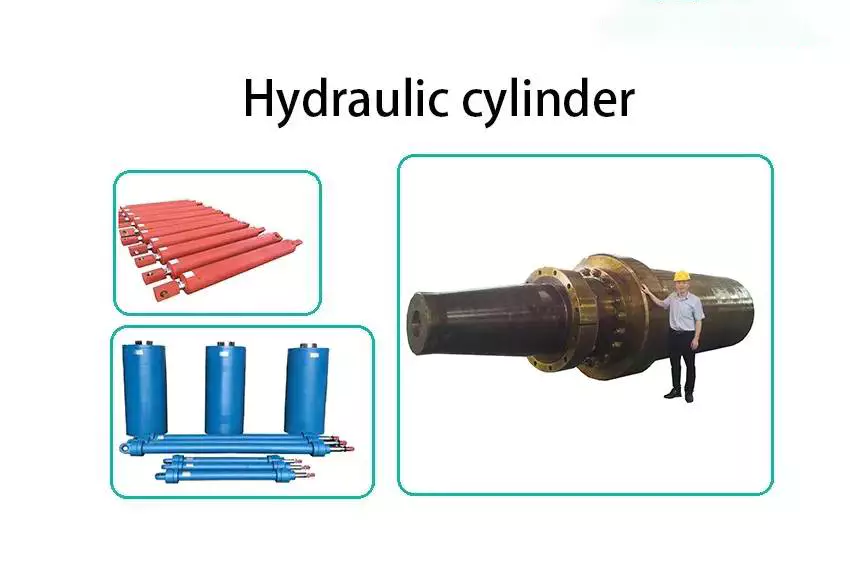
Can hydraulic cylinders be used for precise operations like CNC machining or molding?
Yes, hydraulic cylinders can be used for precise operations like CNC machining or molding. While hydraulic systems are commonly associated with heavy-duty applications, they can also provide the necessary precision and control required for precise operations in CNC machining and molding processes. Here’s a detailed explanation of how hydraulic cylinders can be utilized for such precise operations:
1. Force and Control:
– Hydraulic cylinders are capable of generating substantial force, which is essential for precise operations in CNC machining and molding. By using hydraulic pressure, the cylinders can deliver the required force to cut or shape materials accurately or exert pressure for molding operations. The hydraulic system allows precise control over the force applied, ensuring consistent and reliable performance.
2. Adjustable Speed and Positioning:
– Hydraulic cylinders offer adjustable speed and precise positioning capabilities, making them suitable for precise operations. By controlling the flow of hydraulic fluid, the speed of the cylinder’s movement can be adjusted according to specific requirements. This adaptability allows for fine-tuning the machining or molding process, achieving the desired precision in material removal or shaping. Hydraulic systems also enable accurate positioning of tools or molds, ensuring precise operations.
3. Integrated Feedback Systems:
– Advanced hydraulic systems can incorporate feedback sensors and control mechanisms to enhance precision in CNC machining and molding. These sensors provide real-time information about the position, speed, and force exerted by the hydraulic cylinders. The control system processes this data and adjusts the flow of hydraulic fluid accordingly, allowing for precise and accurate control over the operations. The feedback systems help maintain consistent performance and compensate for any deviations, ensuring high precision.
4. Damping and Vibration Control:
– Hydraulic cylinders can be equipped with damping mechanisms to minimize vibrations and ensure stability during CNC machining or molding operations. Vibrations can negatively impact precision by causing tool chatter or material deformation. By incorporating cushioning or damping features, hydraulic cylinders help absorb shocks and suppress vibrations, resulting in smoother and more accurate operations.
5. Customization and Adaptability:
– Hydraulic cylinders can be customized and adapted to meet the specific requirements of CNC machining or molding processes. Engineers can design cylinders with unique dimensions, stroke lengths, mounting options, and sealing arrangements to fit into equipment or systems with precise specifications. Customized hydraulic cylinders ensure optimal performance and compatibility for precise operations, enabling seamless integration into CNC machines or molding equipment.
6. Energy Efficiency:
– Hydraulic systems can be designed to be energy-efficient, contributing to cost savings in CNC machining or molding operations. By utilizing variable speed pumps, efficient control valves, and well-designed hydraulic circuits, energy consumption can be optimized. This efficiency reduces heat generation, leading to improved stability and precision in operations while minimizing energy costs.
7. Maintenance and Calibration:
– Regular maintenance and calibration of hydraulic systems are essential to maintain their precision in CNC machining or molding applications. Proper lubrication, inspection of seals, and replacement of worn-out components help ensure optimal performance. Regular calibration of control systems and feedback sensors ensures accurate readings and reliable operation, contributing to precision in machining or molding processes.
In summary, hydraulic cylinders can be effectively used for precise operations like CNC machining or molding. Their ability to generate substantial force, adjustable speed and positioning, integration with feedback systems, damping and vibration control, customization and adaptability, energy efficiency, and proper maintenance contribute to achieving the required precision in these operations. By leveraging the strengths of hydraulic systems, manufacturers can enhance the accuracy and reliability of CNC machining or molding processes, resulting in high-quality products and improved productivity.
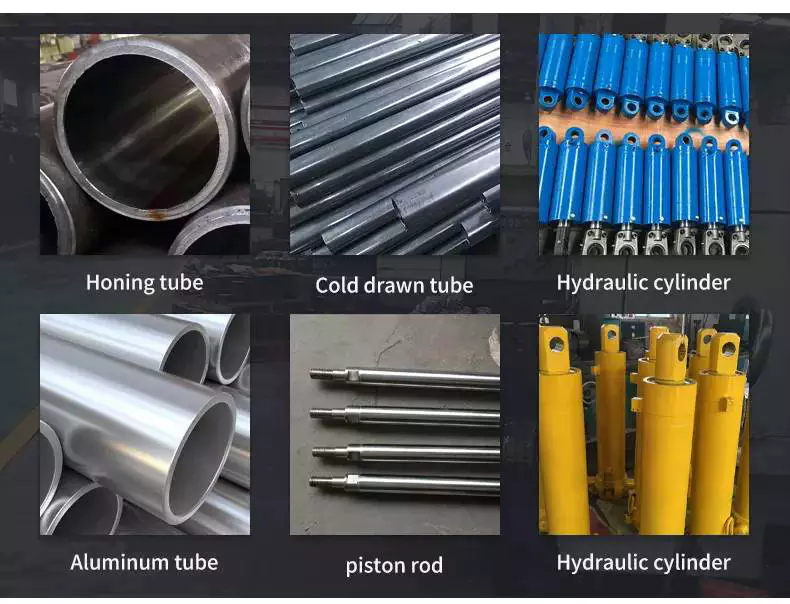
Ensuring Consistent Force Output for Repetitive Tasks with Hydraulic Cylinders
Hydraulic cylinders are designed to ensure consistent force output for repetitive tasks. This consistency is essential for maintaining precise control, achieving uniform results, and optimizing the performance of hydraulic systems. Let’s explore how hydraulic cylinders achieve consistent force output for repetitive tasks:
- Design and Manufacturing Standards: Hydraulic cylinders are manufactured to meet strict design and manufacturing standards. These standards ensure that the cylinders are built with precision and accuracy, enabling them to deliver consistent force output. The components, such as the piston, cylinder barrel, seals, and valves, are engineered to work together harmoniously, minimizing variations in force generation.
- Pressure Regulation: Hydraulic systems incorporate pressure regulation mechanisms to maintain a constant pressure level. Pressure relief valves, pressure regulators, and pressure-compensated pumps help maintain a consistent hydraulic pressure throughout the system. By regulating the pressure, hydraulic cylinders receive a consistent supply of pressurized fluid, resulting in consistent force output for repetitive tasks.
- Flow Control: Flow control valves are utilized in hydraulic systems to manage the flow rate of hydraulic fluid. These valves regulate the speed at which the fluid enters and exits the hydraulic cylinder, influencing the force output. By controlling the flow rate, hydraulic cylinders can achieve consistent force output for repetitive tasks. This is particularly important when it comes to tasks that require precise and uniform force application.
- Effective Seal Performance: Sealing systems play a crucial role in hydraulic cylinders by preventing fluid leakage and maintaining pressure integrity. High-quality seals and proper installation ensure effective sealing throughout the cylinder’s operation. By minimizing internal leakage, hydraulic cylinders can maintain consistent force output, even during repetitive tasks.
- Maintenance and Inspection: Regular maintenance and inspection of hydraulic cylinders are essential for ensuring consistent force output. By following maintenance schedules, replacing worn-out components, and monitoring cylinder performance, any potential issues that could affect force consistency can be identified and addressed promptly. This proactive approach helps maintain the reliability and performance of hydraulic cylinders over time.
In summary, hydraulic cylinders employ various mechanisms to ensure consistent force output for repetitive tasks. Adherence to design and manufacturing standards, pressure regulation, flow control, effective seal performance, and regular maintenance all contribute to achieving consistent force output. By maintaining precision, minimizing variations, and addressing potential issues, hydraulic cylinders provide reliable and consistent force generation, facilitating the successful completion of repetitive tasks in various applications.
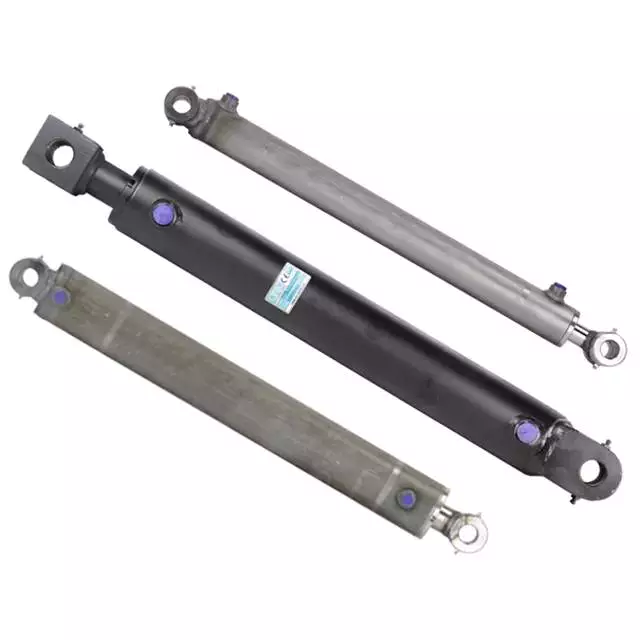
What factors should be considered when selecting the right hydraulic cylinder for an application?
When selecting the right hydraulic cylinder for an application, several important factors need to be considered. These factors help ensure that the chosen hydraulic cylinder is suitable for the specific requirements of the application and will perform reliably. Here are the key factors to consider:
1. Load Requirements:
– One of the crucial factors to consider is the load requirement of the application. Determine the maximum load that the hydraulic cylinder needs to handle. Consider both the static load (when the cylinder is stationary) and the dynamic load (when the cylinder is in motion). The load requirement will impact the cylinder’s bore size, rod diameter, and overall strength. Choose a hydraulic cylinder with a load capacity that exceeds the application’s maximum load to ensure safety and longevity.
2. Stroke Length:
– The stroke length refers to the distance the hydraulic cylinder needs to extend and retract to perform the desired motion. Measure the required stroke length based on the application’s operational requirements. It is essential to choose a hydraulic cylinder with a stroke length that matches or exceeds the required distance. Consider any potential variations or adjustments in the stroke length that may be needed in the future.
3. Operating Pressure:
– Consider the operating pressure required for the application. The hydraulic cylinder must be capable of withstanding the maximum pressure within the hydraulic system. Ensure that the selected cylinder has a pressure rating that exceeds the application’s maximum operating pressure. This ensures safety and prevents premature failure.
4. Speed Requirements:
– Determine the required speed of the hydraulic cylinder’s movement for the application. Consider both the extension and retraction speeds. Select a cylinder that can achieve the desired speed while maintaining precise control and stability. It is important to choose a cylinder that can handle the required speed without compromising performance or safety.
5. Mounting:
– Evaluate the available space and mounting requirements for the hydraulic cylinder. Consider the mounting type (such as flange, foot, trunnion, or clevis), the available mounting points, and any specific mounting constraints. Ensure that the selected cylinder can be easily and securely mounted in the desired location.
6. Environmental Factors:
– Assess the environmental conditions in which the hydraulic cylinder will operate. Consider factors such as temperature extremes, humidity, exposure to chemicals, dust, or corrosive substances. Choose a cylinder that is designed to withstand the specific environmental conditions of the application. This may involve selecting appropriate materials, coatings, or seals to ensure the longevity and performance of the cylinder.
7. Cylinder Configuration:
– Determine the appropriate cylinder configuration based on the application’s requirements. Consider factors such as single-acting or double-acting cylinders, telescopic cylinders for limited space, or custom configurations for unique applications. Evaluate the specific needs of the application to select the most suitable cylinder configuration.
8. Maintenance and Serviceability:
– Consider the maintenance and service requirements of the hydraulic cylinder. Evaluate factors such as ease of access for maintenance, availability of spare parts, and the reputation of the manufacturer or supplier in terms of customer support and after-sales service. Choosing a reliable and reputable brand can ensure ongoing support and availability of spare parts when needed.
9. Compliance and Standards:
– Depending on the industry and application, certain compliance standards may need to be met. Consider any industry-specific regulations, safety standards, or certifications that the hydraulic cylinder should comply with. Ensure that the selected cylinder meets the required standards and certifications for the application.
10. Cost and Budget:
– Finally, consider the cost and budget for the hydraulic cylinder. While it is important to select a cylinder that meets the application’s requirements, it is also necessary to consider the overall cost-effectiveness. Evaluate the initial purchase cost, long-term maintenance costs, and the expected lifespan of the cylinder. Balancing the cost and quality will help in selecting a hydraulic cylinder that provides the best value for the application.
By considering these factors in the selection process, it becomes possible to choose the right hydraulic cylinder that meets the specific requirements of the application in terms of load capacity, stroke length, operating pressure, speed, mounting, environmental conditions, maintenance needs, compliance, and cost-effectiveness. Proper selection ensures optimal performance, reliability, and longevity of the hydraulic cylinder in the intended application.


editor by Dream 2024-11-08