Product Description
China Stq Series 50ton to 1000ton Double Acting Hydraulic Cylinder
1.Describe:
Hydraulic cylinder can bear partial loading is 5% of rated pressure. High pressure alloy cylinder is very durable, especially in the larger project, it is easily to be operated and control. It can be used for lifting heavy machine, bridge project, hydraulic engineering, harbour construction and other equipment. It has large output, light weight, remote control and other advantages, it can match with our high pressure oil pump, it can reach jack, push, pull and extrusion and kinds of working.
2. Features
1. Integral stop ring provides piston blow-out protection
2. Double-acting for positive retraction
3. Baked enamel outside finish and plated pistons provide superior corrosion resistance
4. Safety valve in retract side of cylinder helps to prevent damage in case of accidental over-pressurization
5. Interchangeable, hardened grooved saddles are standard
6. Plunger wiper reduces contamination, extending cylinder life
| Model | Tonnage T | Stroke mm | Closed height mm | Extend height mm | Outer diameter of oil cylinder mm | Dimension of plunger mm | Dimension of oil pump mm | Weight kg | Pressure |
| STQ50-100 | 50 | 100 | 225 | 325 | 127 | 70 | 100 | 35 | 63MPA |
| STQ50-160 | 160 | 285 | 445 | 39 | |||||
| STQ50-200 | 200 | 325 | 525 | 46 | |||||
| STQ50-300 | 300 | 425 | 725 | 48 | |||||
| STQ50-500 | 500 | 625 | 1125 | 63 | |||||
| STQ100-100 | 100 | 100 | 250 | 350 | 180 | 100 | 140 | 58 | |
| STQ100-160 | 160 | 310 | 470 | 63 | |||||
| STQ100-200 | 200 | 350 | 550 | 78 | |||||
| STQ100-300 | 300 | 450 | 750 | 96 | |||||
| STQ100-500 | 500 | 650 | 1150 | 130 | |||||
| STQ150-100 | 150 | 100 | 260 | 360 | 219 | 125 | 180 | 58 | |
| STQ150-160 | 160 | 320 | 480 | 69 | |||||
| STQ150-200 | 200 | 360 | 560 | 86 | |||||
| STQ150-300 | 300 | 460 | 760 | 103 | |||||
| STQ150-500 | 500 | 660 | 1160 | 255 | |||||
| STQ200-100 | 200 | 100 | 285 | 385 | 240 | 150 | 200 | 96 | |
| STQ200-160 | 160 | 345 | 505 | 103 | |||||
| STQ200-200 | 200 | 385 | 585 | 116 | |||||
| STQ200-300 | 300 | 485 | 785 | 161 | |||||
| STQ200-500 | 500 | 685 | 1185 | 221 | |||||
| STQ320-100 | 320 | 100 | 310 | 410 | 330 | 180 | 250 | 196 | |
| STQ320-160 | 160 | 370 | 530 | 240 | |||||
| STQ320-200 | 200 | 410 | 610 | 258 | |||||
| STQ320-300 | 300 | 510 | 810 | 311 | |||||
| STQ320-500 | 500 | 710 | 1210 | 456 | |||||
| STQ400-100 | 400 | 100 | 355 | 455 | 380 | 200 | 290 | 198 | |
| STQ400-160 | 160 | 415 | 575 | 231 | |||||
| STQ400-200 | 200 | 460 | 660 | 264 | |||||
| STQ400-300 | 300 | 555 | 855 | 367 | |||||
| STQ400-500 | 500 | 755 | 1255 | 456 | |||||
| STQ500-100 | 500 | 100 | 360 | 460 | 430 | 200 | 320 | 323 | |
| STQ500-160 | 160 | 420 | 580 | 330 | |||||
| STQ500-200 | 200 | 460 | 660 | 420 | |||||
| STQ500-300 | 300 | 560 | 860 | 581 | |||||
| STQ500-500 | 500 | 760 | 1260 | 599 | |||||
| STQ630-100 | 630 | 100 | 417 | 517 | 500 | 250 | 360 | 560 | |
| STQ630-160 | 160 | 477 | 637 | 633 | |||||
| STQ630-200 | 200 | 517 | 717 | 696 | |||||
| STQ630-300 | 300 | 617 | 917 | 898 | |||||
| STQ630-500 | 500 | 817 | 1317 | 1250 | |||||
| STQ800-100 | 800 | 100 | 488 | 588 | 560 | 300 | 400 | 896 | |
| STQ800-200 | 200 | 598 | 798 | 1040 | |||||
| STQ800-300 | 300 | 698 | 998 | 1380 | |||||
| STQ800-500 | 500 | 898 | 1398 | 1520 | |||||
| STQ1000-100 | 1000 | 100 | 530 | 630 | 600 | 320 | 450 | 1286 | |
| STQ1000-200 | 200 | 630 | 830 | 1332 | |||||
| STQ1000-300 | 300 | 760 | 1060 | 1663 |
If the model you are looking for is not available, please contact us! We will customize it according to your needs.
3. Application:
Our hydraulic jacks have been widely used for industrial field, such as steel plant, cement industry, chemical and refinery, bridge, railway, highway, hydropower station, ship repair, building, construction and maintenance.
4.Company information:
HangZhou Lead Equipment Co., Ltd. Have been in hydraulic tools industry since 2009.
Our main products as follow:
Single acting hydraulic jack/cylinder/ram (10-100 tons)
Single acting hollow hydraulic jack/cylinder/ram (12-100 tons)
Double acting hydraulic jack/cylinder/ram (50-2000 tons)
Double acting hollow hydraulic jack/cylinder/ram (50-2000 tons)
Single acting hydraulic jack/cylinder/ram with lock nut (55-200 tons)
Thin type single acting hydraulic jack/cylinder/ram (10-200 tons)
Ultrathin hydraulic jack/cylinder/ram (10-200 tons)
Flange type hydraulic jack/cylinder/ram (10-630 tons)
Synchronous hydraulic jack (10-1000 tons)
Hydraulic accessories: high pressure oil hose, couplers, seal kits, mainfold, etc.
All the tonnage, stroke, height can be customized according to client’s requirements, supply the best quality and serve. Our warranty is 2 years.
| Certification: | CE, SGS |
|---|---|
| Pressure: | High Pressure |
| Work Temperature: | Normal Temperature |
| Acting Way: | Double Acting |
| Working Method: | Rotary |
| Adjusted Form: | Switching Type |
| Customization: |
Available
|
|
|---|
Can hydraulic cylinders be integrated with modern telematics and remote monitoring?
Yes, hydraulic cylinders can indeed be integrated with modern telematics and remote monitoring systems. The integration of hydraulic cylinders with telematics and remote monitoring technology offers numerous benefits, including enhanced operational efficiency, improved maintenance practices, and increased overall productivity. Here’s a detailed explanation of how hydraulic cylinders can be integrated with modern telematics and remote monitoring:
1. Integrazione dei sensori:
– Hydraulic cylinders can be equipped with various sensors to gather real-time data about their performance and operating conditions. Sensors such as pressure transducers, temperature sensors, position sensors, and load sensors can be integrated directly into the cylinder or its associated components. These sensors provide valuable information about parameters such as pressure, temperature, position, and load, enabling remote monitoring and analysis of the cylinder’s behavior.
2. Data Transmission:
– The data collected from the sensors in hydraulic cylinders can be transmitted wirelessly or through wired connections to a central monitoring system. Wireless communication technologies such as Bluetooth, Wi-Fi, or cellular networks can be employed to transmit data in real-time. Alternatively, wired connections such as Ethernet or CAN bus can be utilized for data transmission. The choice of communication method depends on the specific requirements of the application and the available infrastructure.
3. Remote Monitoring Systems:
– Remote monitoring systems receive and process the data transmitted from hydraulic cylinders. These systems can be cloud-based or hosted on local servers, depending on the implementation. Remote monitoring systems collect and analyze the data to provide insights into the cylinder’s performance, health, and usage patterns. Operators and maintenance personnel can access the monitoring system through web-based interfaces or dedicated software applications to view real-time data, receive alerts, and generate reports.
4. Condition Monitoring and Predictive Maintenance:
– Integration with telematics and remote monitoring enables condition monitoring and predictive maintenance of hydraulic cylinders. By analyzing the collected data, patterns and trends can be identified, allowing for the detection of potential issues or anomalies before they escalate into major problems. Predictive maintenance algorithms can be applied to the data to generate maintenance schedules, recommend component replacements, and optimize maintenance activities. This proactive approach helps prevent unexpected downtime, reduces maintenance costs, and maximizes the lifespan of hydraulic cylinders.
5. Performance Optimization:
– The data collected from hydraulic cylinders can also be utilized to optimize their performance. By analyzing parameters such as pressure, temperature, and load, operators can identify opportunities for improving operational efficiency. Insights gained from the remote monitoring system can guide adjustments in system settings, load management, or operational practices to optimize the performance of hydraulic cylinders and the overall hydraulic system. This optimization can result in energy savings, improved productivity, and reduced wear and tear.
6. Integration with Equipment Management Systems:
– Telematics and remote monitoring systems can be integrated with broader equipment management systems. This integration allows hydraulic cylinder data to be correlated with data from other components or related machinery, providing a comprehensive view of the overall system’s performance. This holistic approach enables operators to identify potential interdependencies, optimize system-wide performance, and make informed decisions regarding maintenance, repairs, or upgrades.
7. Enhanced Safety and Fault Diagnosis:
– Telematics and remote monitoring can contribute to enhanced safety and fault diagnosis in hydraulic systems. Real-time data from hydraulic cylinders can be used to detect abnormal conditions, such as excessive pressure or temperature, which may indicate potential safety risks. Fault diagnosis algorithms can analyze the data to identify specific issues or malfunctions, enabling prompt intervention and reducing the risk of catastrophic failures or accidents.
In summary, hydraulic cylinders can be effectively integrated with modern telematics and remote monitoring systems. This integration enables the collection of real-time data, remote monitoring of performance, condition monitoring, predictive maintenance, performance optimization, integration with equipment management systems, and enhanced safety. By harnessing the power of telematics and remote monitoring, hydraulic cylinder users can achieve improved efficiency, reduced downtime, optimized maintenance practices, and enhanced overall productivity in various applications and industries.
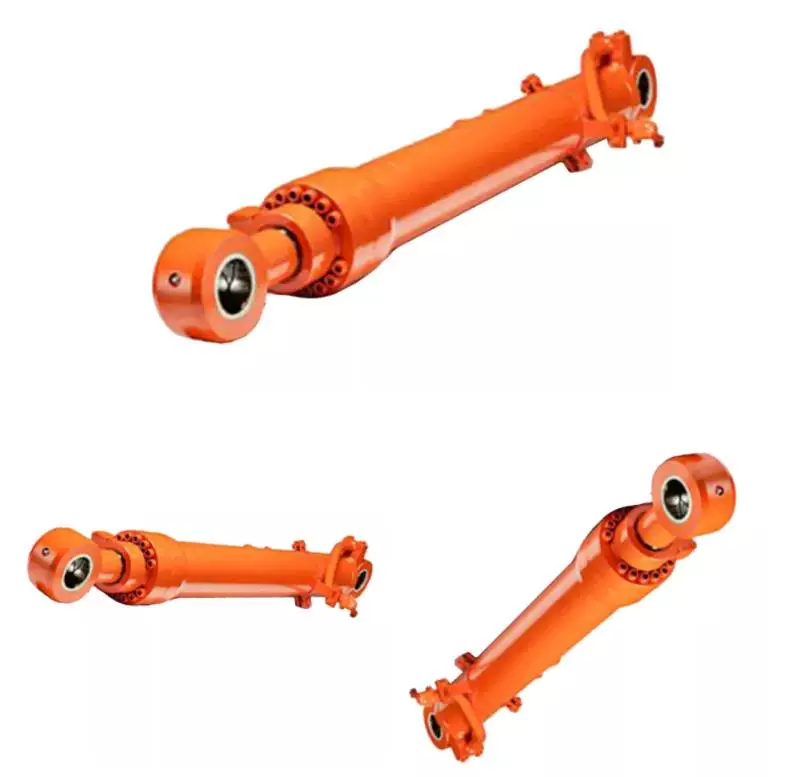
Handling the Challenges of Minimizing Fluid Leaks and Contamination in Hydraulic Cylinders
Hydraulic cylinders face challenges when it comes to minimizing fluid leaks and contamination, as these issues can impact the performance, reliability, and lifespan of the system. However, there are several measures and design considerations that help address these challenges effectively. Let’s explore how hydraulic cylinders handle the challenges of minimizing fluid leaks and contamination:
- Sealing Systems: Hydraulic cylinders employ advanced sealing systems to prevent fluid leaks. These systems typically include various types of seals, such as piston seals, rod seals, and wiper seals. The seals are designed to create a tight and reliable barrier between the moving components of the cylinder and the external environment, minimizing the risk of fluid leakage.
- Seal Material Selection: The choice of seal materials is crucial in minimizing fluid leaks and contamination. Hydraulic cylinder manufacturers carefully select seal materials that are compatible with the hydraulic fluid used and resistant to wear, abrasion, and chemical degradation. This ensures the longevity and effectiveness of the seals, reducing the likelihood of leaks or premature seal failure.
- Proper Installation and Maintenance: Ensuring proper installation and regular maintenance of hydraulic cylinders is essential for minimizing fluid leaks and contamination. During installation, attention should be given to proper alignment, torqueing of bolts, and adherence to recommended procedures. Regular maintenance includes inspecting seals, replacing worn-out components, and addressing any signs of leakage promptly. Proper maintenance practices help identify and rectify issues before they escalate and cause significant problems.
- Contamination Control: Hydraulic cylinders incorporate measures to control contamination and maintain fluid cleanliness. This includes the use of filtration systems, such as in-line filters, to remove particles and contaminants from the hydraulic fluid. Additionally, hydraulic reservoirs often have breathers and desiccant filters to prevent moisture and airborne contaminants from entering the system. By controlling contamination, hydraulic cylinders minimize the risk of damage to internal components and maintain optimal system performance.
- Environmental Protection: Hydraulic cylinders may be equipped with protective features to safeguard against external contaminants. For example, bellows or protective boots can be installed to shield the rod and seals from debris, dirt, or moisture present in the operating environment. These protective measures help extend the life of the seals and enhance the overall reliability of the hydraulic cylinder.
In summary, hydraulic cylinders employ sealing systems, appropriate seal materials, proper installation and maintenance practices, contamination control measures, and environmental protection features to handle the challenges of minimizing fluid leaks and contamination. By implementing these measures, manufacturers can ensure reliable and long-lasting hydraulic cylinder performance, minimize the risk of fluid leakage, and maintain the cleanliness of the hydraulic system.
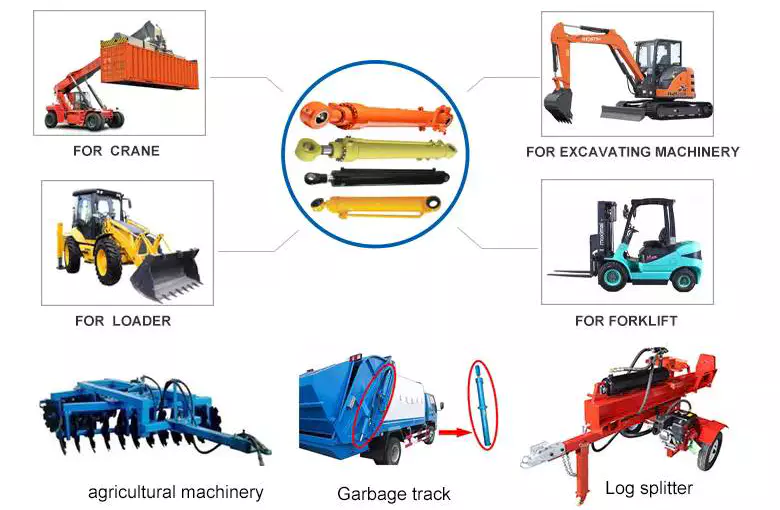
Can you provide real-world examples of machinery that heavily rely on hydraulic cylinders?
Hydraulic cylinders are widely used in various industries and applications due to their ability to provide powerful and precise linear motion. They play a crucial role in enabling the operation of heavy machinery that requires controlled force and movement. Here are some real-world examples of machinery that heavily rely on hydraulic cylinders:
1. Construction Equipment:
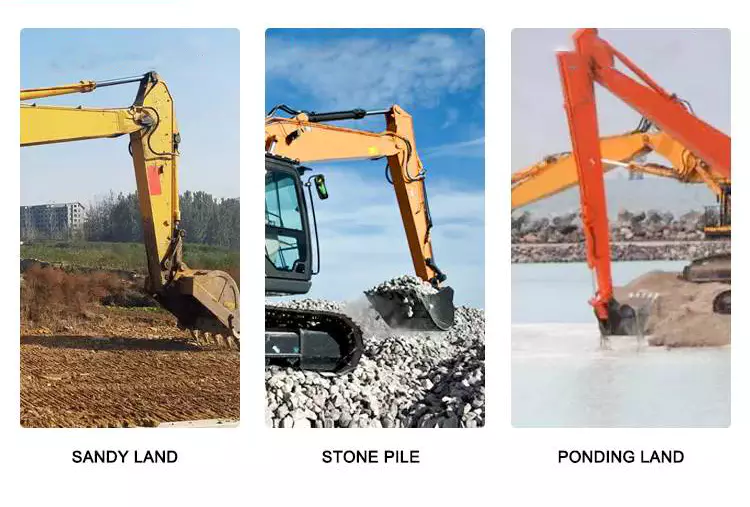
– Hydraulic cylinders are extensively used in construction machinery, such as excavators, bulldozers, loaders, and cranes. These machines rely on hydraulic cylinders to perform tasks like lifting heavy loads, extending and retracting booms, tilting buckets, and controlling the movement of various components. Hydraulic cylinders provide the power and precision required to handle the demanding conditions and heavy loads encountered in construction projects.
2. Agricultural Machinery:
– Many agricultural machines, including tractors, combine harvesters, and sprayers, utilize hydraulic cylinders for critical operations. Hydraulic cylinders are used to control the movement of attachments, such as front loaders, backhoes, and plows. They enable functions like lifting and lowering implements, adjusting cutting heights, and controlling the positioning of harvesting equipment. Hydraulic cylinders enhance efficiency and productivity in agricultural operations.
3. Material Handling Equipment:
– Hydraulic cylinders are integral components of material handling equipment, such as forklifts, pallet jacks, and cranes. These machines rely on hydraulic cylinders to lift and lower loads, tilt platforms or forks, and control the movement of lifting mechanisms. Hydraulic cylinders provide the necessary strength and precision to handle heavy loads and ensure safe and efficient material handling operations.
4. Industrial Machinery:
– Various industrial machinery and equipment heavily rely on hydraulic cylinders for critical functions. Examples include hydraulic presses, injection molding machines, metal-forming machines, and hydraulic-powered robots. Hydraulic cylinders enable precise control of force and movement in these applications, allowing for accurate shaping, pressing, and assembly processes.
5. Mining Equipment:
– Hydraulic cylinders are extensively used in mining machinery and equipment. Underground mining machines, such as continuous miners and longwall shearers, utilize hydraulic cylinders for cutting, shearing, and roof support operations. Surface mining equipment, including hydraulic shovels, draglines, and haul trucks, rely on hydraulic cylinders for tasks like bucket movement, boom extension, and vehicle suspension.
6. Automotive Industry:
– The automotive industry extensively utilizes hydraulic cylinders in various applications. Hydraulic cylinders are employed in vehicle suspension systems, power steering systems, convertible tops, and hydraulic brake systems. They enable smooth and controlled movement, precise steering, and efficient braking in automobiles.
7. Aerospace and Aviation:
– Hydraulic cylinders are utilized in aerospace and aviation applications, such as aircraft landing gear systems, wing flaps, and cargo handling equipment. Hydraulic cylinders provide the necessary force and control for extending and retracting landing gear, adjusting wing flaps, and operating cargo doors, ensuring safe and reliable aircraft operations.
8. Marine and Offshore Industry:
– Hydraulic cylinders are essential components in marine and offshore equipment, including ship cranes, winches, and hydraulic-powered anchor systems. They enable lifting, lowering, and positioning of heavy loads, as well as the control of various marine equipment.
These are just a few examples of machinery and industries that heavily rely on hydraulic cylinders. The versatility, power, and precise control offered by hydraulic cylinders make them indispensable in a wide range of applications, where controlled linear motion and force are essential.


editor by CX 2023-10-23