Product Description
Factory Produce High Wear Resistance Non-Aging Chrome Plated Hydraulic Cylinder
Descrizione del prodotto:
Factory Produce High Wear Resistance Non-Aging Chrome Plated Hydraulic Cylinder has high requirements for security performance, as it works frequently with large shock and vibration, so the requirements of reliability is high. Limit working condition bear large lateral load, so it has higher requirements for hardness and wear resistance.
Product Features:
(1) Single cylinder latch interlock technology ensure reliability and security;
(2) New type counterweighing hooking technology ensure the stability performance;
(3) Large span guidance technology and oil & gas mixture suspension technology ensure the system stable and reliable.
Esposizione del prodotto:
Specifiche:
| Articolo | Specifiche |
| Nome del prodotto |
Factory Produce High Wear Resistance Non-Aging Chrome Plated Hydraulic Cylinder |
| Certificate: | CE, ISO9001 |
| Production Capacity: | 5000pcs/Month |
| Sample Time | 10-15 days |
| Marca | GLIT or customer’s logo |
| Servizio | OEM e ODM |
| Piston Rod | Chrome or nickel plated,ground & polished piston rod |
| Tipo di sigillo | Parker,NOK, BUSAK SHAMBAN or as customer’s requirement |
| Tube | Tubo trafilato a freddo ad alta resistenza, levigato con precisione per una maggiore durata della guarnizione |
| Delivery Time | Based on order quantity. normally 15-30 days. |
| Vantaggio di prezzo | Prezzo di fabbrica competitivo con qualità garantita |
| Tipo di attività | Manufacturer & Exporter |
La nostra fabbrica:
Processo di ispezione:
| Tipo di ispezione | Standard di ispezione |
| Ispezione delle materie prime | Prima dello stoccaggio, il controllo qualità effettua la misurazione delle materie prime. |
| Ispezione dei materiali di processo | Durante la produzione, i controlli qualità effettuano un'ispezione casuale. Prima che i componenti del cilindro idraulico vengano trasferiti al processo successivo, i controlli qualità eseguono un'ispezione. |
| Test di funzionalità finale | Tutti i cilindri idraulici vengono sottoposti a test di funzionalità idraulica |
Packing & Delivery:
Appliactions:
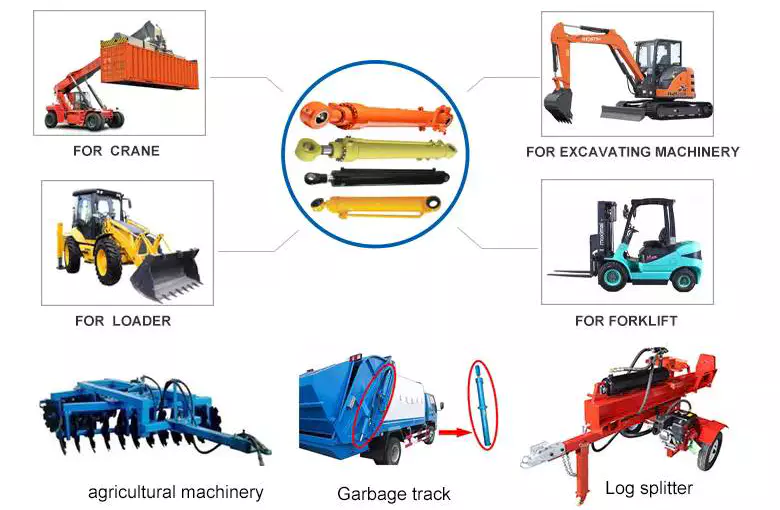
Application: Mobile Cranes, Trailer, excavator, log splitter, hydraulic press, garbage compactor,
lift platform, dock leveler
About US:
HangZhou GLORIA INDUSTRIAL TECH Co., Ltd. is specializing in the production of various types of hydraulic cylinders as well as cylinder barrel, piston cylinder and other cylinder accessories.
As a highly specialized manufacturer of hydraulic cylinders, CHINAMFG provides design optimization solutions and reliable products to many customers at home and abroad. No matter in construction machinery, railway bridge machinery, port ship machinery, metallurgy and mining machinery, oil and light industry machinery, special vehicles and other industries, GLIT can provide various standard and non-standard hydraulic cylinder design optimization schemes and products according to users’ requirements, and provide integrated services for perfection and quality.
Se possibile, quando ci contatti, ti preghiamo di fornire le informazioni di seguito
|
Foro |
Asta |
Colpo |
Pressione di lavoro |
Montaggio |
Ambiente di lavoro |
|
|
|
|
|
|
|
Oppure puoi fornirci il tuo schizzo, diagramma o foto in modo che possiamo capire esattamente cosa intendi e aiutarci a evitare errori.
E se avete dei campioni, possiamo produrli in base ai vostri campioni dopo averceli inviati.
Se hai tempo, ti aspettiamo nella nostra fabbrica.
La vostra soddisfazione è la nostra più grande motivazione.
Ora puoi contattarci per qualsiasi domanda o richiesta.
Domande frequenti:
1. Di cosa si occupa la vostra azienda?
A: siamo un fornitore di prodotti idraulici di alta qualità, tra cui cilindri idraulici, motori idraulici, centraline idrauliche, stazioni idrauliche e altri componenti idraulici.
2. Siete un'azienda manifatturiera o commerciale?
A: Siamo un produttore.
3. Che certificato hai?
R: Tutti i nostri stabilimenti sono certificati ISO. I nostri principali fornitori di materiali e componenti sono certificati CE, RoHS, CSA e UL.
4. Quanto tempo ci vuole per la consegna?
A: The delivery time depends on different products and quantity. The cylinder usually need about 45-60 days and the Motor need about 20-30 days.
5. Potete realizzare parti in base alle esigenze o ai disegni del cliente?
R: Sì, possiamo realizzare prodotti OEM in base ai vostri disegni. I nostri ingegneri possono anche fornirvi supporto professionale per suggerimenti tecnici.
6. Quali sono le modalità di pagamento accettate?
A: We prefer T/T through bank. 40% when order is confirmed and 60% before shipment. L/C is also acceptable for amount over 20,000USD.
9, What is your warranty policy?
A: All our products are warranted for 1 full year from date of delivery against defects in materials and workmanship. This warranty does not cover parts that are worn out through the course of normal operation or are damaged through negligence. We serious remind that unclean hydraulic oil will definitely cause damage to your Hydraulic components. And this damage is not included in the warranty range. So we strongly suggest you to use new clean oil or make sure the system oil are clean when using our parts
| Certification: | GS, CE, ISO9001 |
|---|---|
| Pressure: | Medium Pressure |
| Work Temperature: | Normal Temperature |
| Acting Way: | Double Acting |
| Working Method: | Straight Trip |
| Adjusted Form: | Regulated Type |
| Customization: |
Available
|
|
|---|
Ci sono tendenze emergenti nella tecnologia dei cilindri idraulici, come ad esempio le funzionalità intelligenti?
Sì, ci sono diverse tendenze emergenti nella tecnologia dei cilindri idraulici, tra cui l'integrazione di funzionalità intelligenti. Man mano che le industrie continuano ad adottare tecnologie avanzate e a ricercare una maggiore efficienza, i cilindri idraulici vengono dotati di funzionalità innovative per migliorarne le prestazioni e offrire ulteriori vantaggi. Ecco alcune delle tendenze emergenti nella tecnologia dei cilindri idraulici:
1. Integrazione dei sensori:
– Una delle tendenze più significative nella tecnologia dei cilindri idraulici è l'integrazione dei sensori. I sensori possono essere integrati nel cilindro idraulico per monitorare vari parametri come pressione, temperatura, posizione e carico. Questi sensori forniscono dati in tempo reale, consentendo il monitoraggio delle condizioni, la manutenzione predittiva e un migliore controllo operativo. Raccogliendo e analizzando i dati, gli operatori possono ottimizzare le prestazioni dei sistemi idraulici, rilevare in anticipo potenziali problemi e prevenirne i guasti, con conseguente aumento dell'affidabilità e riduzione dei tempi di fermo.
2. Connettività e IoT:
– I cilindri idraulici vengono integrati nell'ecosistema dell'Internet of Things (IoT), consentendo la connettività e lo scambio di dati. Collegando i cilindri idraulici a una rete, gli operatori possono monitorarne e controllarne le prestazioni da remoto. I cilindri idraulici abilitati all'IoT facilitano funzionalità come la diagnostica remota, l'ottimizzazione delle prestazioni e la manutenzione predittiva. L'aspetto della connettività consente una migliore integrazione con i sistemi complessivi delle apparecchiature e consente un processo decisionale basato sui dati, migliorando l'efficienza e la produttività.
3. Progetti ad alta efficienza energetica:
– Con la crescente attenzione alla sostenibilità e all'efficienza energetica, la tecnologia dei cilindri idraulici si sta evolvendo per incorporare funzionalità di risparmio energetico. I produttori stanno sviluppando cilindri idraulici con tecnologie di tenuta migliorate, attrito ridotto e dinamica del flusso dei fluidi ottimizzata. Questi progressi riducono al minimo le perdite di energia e aumentano l'efficienza complessiva del sistema. I cilindri idraulici a basso consumo energetico contribuiscono a ridurre il consumo energetico, i costi operativi e l'impatto ambientale.
4. Materiali e rivestimenti avanzati:
– L'utilizzo di materiali e rivestimenti avanzati è un'altra tendenza emergente nella tecnologia dei cilindri idraulici. I produttori stanno esplorando materiali leggeri, come compositi e leghe, per ridurre il peso complessivo dei cilindri idraulici senza comprometterne la resistenza e la durata. Inoltre, vengono applicati rivestimenti e trattamenti superficiali specializzati per migliorarne la resistenza alla corrosione, all'usura e la durata. Questi progressi aumentano la longevità e l'affidabilità dei cilindri idraulici, in particolare in ambienti difficili.
5. Sistemi di controllo intelligenti:
– La tecnologia dei cilindri idraulici sta abbracciando sistemi di controllo intelligenti che ottimizzano le prestazioni e abilitano funzionalità avanzate. Questi sistemi utilizzano algoritmi, apprendimento automatico e intelligenza artificiale per automatizzare i processi, adattarsi alle mutevoli condizioni e ottimizzare i movimenti dei cilindri idraulici. I sistemi di controllo intelligenti possono regolare i parametri in tempo reale, garantendo un funzionamento preciso ed efficiente. Questa tendenza consente una maggiore automazione, una maggiore produttività e una maggiore sicurezza nelle applicazioni dei sistemi idraulici.
6. Manutenzione predittiva:
– La manutenzione predittiva sta acquisendo importanza nella tecnologia dei cilindri idraulici. Utilizzando i dati raccolti da sensori e sistemi di monitoraggio, gli algoritmi di manutenzione predittiva possono analizzare le condizioni e le prestazioni dei cilindri idraulici. Questa analisi aiuta a identificare in anticipo potenziali guasti o degrado, consentendo azioni di manutenzione proattive. La manutenzione predittiva riduce i tempi di fermo non pianificati, prolunga la durata dei cilindri idraulici e ottimizza i programmi di manutenzione, con conseguente risparmio sui costi e maggiore disponibilità delle attrezzature.
7. Funzionalità di sicurezza avanzate:
– La tecnologia dei cilindri idraulici sta integrando funzionalità di sicurezza avanzate per migliorare la sicurezza dell'operatore e delle attrezzature. Queste funzionalità includono valvole di sicurezza integrate, sistemi di monitoraggio del carico e funzionalità di arresto di emergenza. I sistemi di sicurezza nei cilindri idraulici aiutano a prevenire incidenti, proteggono dai sovraccarichi e garantiscono un funzionamento affidabile. L'integrazione di funzionalità di sicurezza avanzate contribuisce a creare ambienti di lavoro più sicuri e a garantire la conformità alle più severe normative di sicurezza.
Queste tendenze emergenti nella tecnologia dei cilindri idraulici dimostrano l'attenzione del settore verso l'innovazione, l'ottimizzazione delle prestazioni e la sostenibilità. L'integrazione di funzionalità intelligenti, connettività, materiali avanzati e capacità di manutenzione predittiva consente ai cilindri idraulici di funzionare in modo più efficiente, fornire informazioni in tempo reale e migliorare le prestazioni complessive del sistema. Con il continuo progresso tecnologico, si prevede che la tecnologia dei cilindri idraulici evolverà ulteriormente, offrendo maggiore funzionalità ed efficienza per diversi settori e applicazioni.
Can you provide real-world examples of machinery that heavily rely on hydraulic cylinders?
Hydraulic cylinders are widely used in various industries and applications due to their ability to provide powerful and precise linear motion. They play a crucial role in enabling the operation of heavy machinery that requires controlled force and movement. Here are some real-world examples of machinery that heavily rely on hydraulic cylinders:
1. Construction Equipment:
– Hydraulic cylinders are extensively used in construction machinery, such as excavators, bulldozers, loaders, and cranes. These machines rely on hydraulic cylinders to perform tasks like lifting heavy loads, extending and retracting booms, tilting buckets, and controlling the movement of various components. Hydraulic cylinders provide the power and precision required to handle the demanding conditions and heavy loads encountered in construction projects.
2. Agricultural Machinery:
– Many agricultural machines, including tractors, combine harvesters, and sprayers, utilize hydraulic cylinders for critical operations. Hydraulic cylinders are used to control the movement of attachments, such as front loaders, backhoes, and plows. They enable functions like lifting and lowering implements, adjusting cutting heights, and controlling the positioning of harvesting equipment. Hydraulic cylinders enhance efficiency and productivity in agricultural operations.
3. Material Handling Equipment:
– Hydraulic cylinders are integral components of material handling equipment, such as forklifts, pallet jacks, and cranes. These machines rely on hydraulic cylinders to lift and lower loads, tilt platforms or forks, and control the movement of lifting mechanisms. Hydraulic cylinders provide the necessary strength and precision to handle heavy loads and ensure safe and efficient material handling operations.
4. Industrial Machinery:
– Various industrial machinery and equipment heavily rely on hydraulic cylinders for critical functions. Examples include hydraulic presses, injection molding machines, metal-forming machines, and hydraulic-powered robots. Hydraulic cylinders enable precise control of force and movement in these applications, allowing for accurate shaping, pressing, and assembly processes.
5. Mining Equipment:
– Hydraulic cylinders are extensively used in mining machinery and equipment. Underground mining machines, such as continuous miners and longwall shearers, utilize hydraulic cylinders for cutting, shearing, and roof support operations. Surface mining equipment, including hydraulic shovels, draglines, and haul trucks, rely on hydraulic cylinders for tasks like bucket movement, boom extension, and vehicle suspension.
6. Automotive Industry:
– The automotive industry extensively utilizes hydraulic cylinders in various applications. Hydraulic cylinders are employed in vehicle suspension systems, power steering systems, convertible tops, and hydraulic brake systems. They enable smooth and controlled movement, precise steering, and efficient braking in automobiles.
7. Aerospace and Aviation:
– Hydraulic cylinders are utilized in aerospace and aviation applications, such as aircraft landing gear systems, wing flaps, and cargo handling equipment. Hydraulic cylinders provide the necessary force and control for extending and retracting landing gear, adjusting wing flaps, and operating cargo doors, ensuring safe and reliable aircraft operations.
8. Marine and Offshore Industry:
– Hydraulic cylinders are essential components in marine and offshore equipment, including ship cranes, winches, and hydraulic-powered anchor systems. They enable lifting, lowering, and positioning of heavy loads, as well as the control of various marine equipment.
These are just a few examples of machinery and industries that heavily rely on hydraulic cylinders. The versatility, power, and precise control offered by hydraulic cylinders make them indispensable in a wide range of applications, where controlled linear motion and force are essential.
What factors should be considered when selecting the right hydraulic cylinder for an application?
When selecting the right hydraulic cylinder for an application, several important factors need to be considered. These factors help ensure that the chosen hydraulic cylinder is suitable for the specific requirements of the application and will perform reliably. Here are the key factors to consider:
1. Load Requirements:
– One of the crucial factors to consider is the load requirement of the application. Determine the maximum load that the hydraulic cylinder needs to handle. Consider both the static load (when the cylinder is stationary) and the dynamic load (when the cylinder is in motion). The load requirement will impact the cylinder’s bore size, rod diameter, and overall strength. Choose a hydraulic cylinder with a load capacity that exceeds the application’s maximum load to ensure safety and longevity.
2. Stroke Length:
– The stroke length refers to the distance the hydraulic cylinder needs to extend and retract to perform the desired motion. Measure the required stroke length based on the application’s operational requirements. It is essential to choose a hydraulic cylinder with a stroke length that matches or exceeds the required distance. Consider any potential variations or adjustments in the stroke length that may be needed in the future.
3. Operating Pressure:
– Consider the operating pressure required for the application. The hydraulic cylinder must be capable of withstanding the maximum pressure within the hydraulic system. Ensure that the selected cylinder has a pressure rating that exceeds the application’s maximum operating pressure. This ensures safety and prevents premature failure.
4. Speed Requirements:
– Determine the required speed of the hydraulic cylinder’s movement for the application. Consider both the extension and retraction speeds. Select a cylinder that can achieve the desired speed while maintaining precise control and stability. It is important to choose a cylinder that can handle the required speed without compromising performance or safety.
5. Mounting:
– Evaluate the available space and mounting requirements for the hydraulic cylinder. Consider the mounting type (such as flange, foot, trunnion, or clevis), the available mounting points, and any specific mounting constraints. Ensure that the selected cylinder can be easily and securely mounted in the desired location.
6. Environmental Factors:
– Assess the environmental conditions in which the hydraulic cylinder will operate. Consider factors such as temperature extremes, humidity, exposure to chemicals, dust, or corrosive substances. Choose a cylinder that is designed to withstand the specific environmental conditions of the application. This may involve selecting appropriate materials, coatings, or seals to ensure the longevity and performance of the cylinder.
7. Cylinder Configuration:
– Determine the appropriate cylinder configuration based on the application’s requirements. Consider factors such as single-acting or double-acting cylinders, telescopic cylinders for limited space, or custom configurations for unique applications. Evaluate the specific needs of the application to select the most suitable cylinder configuration.
8. Maintenance and Serviceability:
– Consider the maintenance and service requirements of the hydraulic cylinder. Evaluate factors such as ease of access for maintenance, availability of spare parts, and the reputation of the manufacturer or supplier in terms of customer support and after-sales service. Choosing a reliable and reputable brand can ensure ongoing support and availability of spare parts when needed.
9. Compliance and Standards:
– Depending on the industry and application, certain compliance standards may need to be met. Consider any industry-specific regulations, safety standards, or certifications that the hydraulic cylinder should comply with. Ensure that the selected cylinder meets the required standards and certifications for the application.
10. Cost and Budget:
– Finally, consider the cost and budget for the hydraulic cylinder. While it is important to select a cylinder that meets the application’s requirements, it is also necessary to consider the overall cost-effectiveness. Evaluate the initial purchase cost, long-term maintenance costs, and the expected lifespan of the cylinder. Balancing the cost and quality will help in selecting a hydraulic cylinder that provides the best value for the application.
By considering these factors in the selection process, it becomes possible to choose the right hydraulic cylinder that meets the specific requirements of the application in terms of load capacity, stroke length, operating pressure, speed, mounting, environmental conditions, maintenance needs, compliance, and cost-effectiveness. Proper selection ensures optimal performance, reliability, and longevity of the hydraulic cylinder in the intended application.


editor by CX 2023-11-27