Product Description
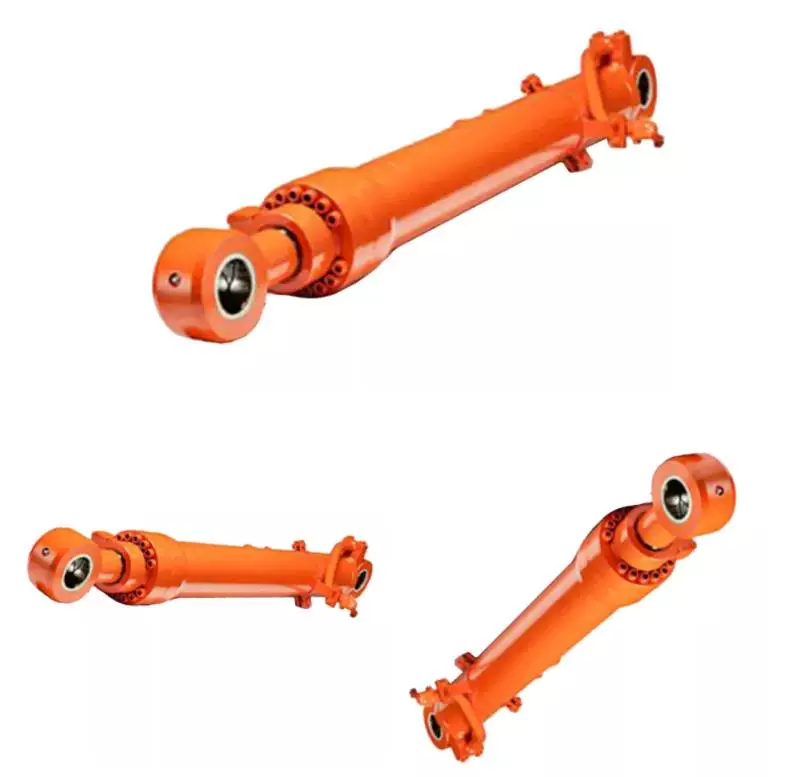
Hydraulic Cylinder for 1600 Czochralski Monocrystal Growth Furnace
| Articolo | Specifiche |
| Bore diameter | 100mm-800mm,customizable |
| Bod diameter | 80mm-500mm,customizable |
| Colpo | 100mm-6000mm,customizable |
| Pressione di esercizio | 7-45Mpa,customizable |
| Trattamento superficiale dello stelo del pistone | Cromatura HaHard, Cromatura bianco latte elettrodeposta + Cromatura dura, Nichelatura + Cromatura dura, CrC NiC ad alta velocità con ossigeno combustibile, Rivestimento ceramico, Nitrurazione, Placcatura laser |
| Pressione di lavoro | Maximum 38MPa,Customizable |
| Materiale | Tubo trafilato a freddo ad alta resistenza, levigato con precisione per una maggiore durata della guarnizione |
| Montaggio | Earring,Flange,Clevis.Foot,Trunnion,Customizable |
| Tipo di sigillo | Parker, NOK, Hallite GAPI o secondo le esigenze del cliente |
| Warrenty | 18 months |
| Quantità minima d'ordine | 1pcs |
| Tempo di produzione | Based on order quantity.normally 30-40 days. |
| Certification | ISO9001,CE, SGS |
| Colore | Red,White,Pink,Yellow,Bule,etc,Customizable |
| Confezione | Metal case,plywood case,carton or as requirement |
| Servizio | OEM e ODM |
| Vantaggio di prezzo | Prezzo di fabbrica competitivo con qualità garantita |
| Tipo di attività | Produttore |
Esposizione del prodotto:
Compact structural design, high-strength material use, and special heat treatment and welding processes ensure that the oil cylinder has extremely high fatigue durability under high pressure and heavy load.
The hydraulic cylinder adopts a multi-channel sealing design to ensure stable operation of the sealing system.
Designed with a wide temperature resistance range (-25 ºC to+120 ºC), and able to provide customized services for higher or lower temperature oil cylinders.
The inner hole of the guide sleeve adopts a high load-bearing guide structure to maximize the lateral load resistance of the oil cylinder.
La superficie dello stelo del pistone adotta uno speciale trattamento superficiale per garantire un'eccellente resistenza all'usura e alla corrosione dello stelo del pistone.
Work pressure, size specifications, installation methods, etc. can be customized according to customer needs for design.
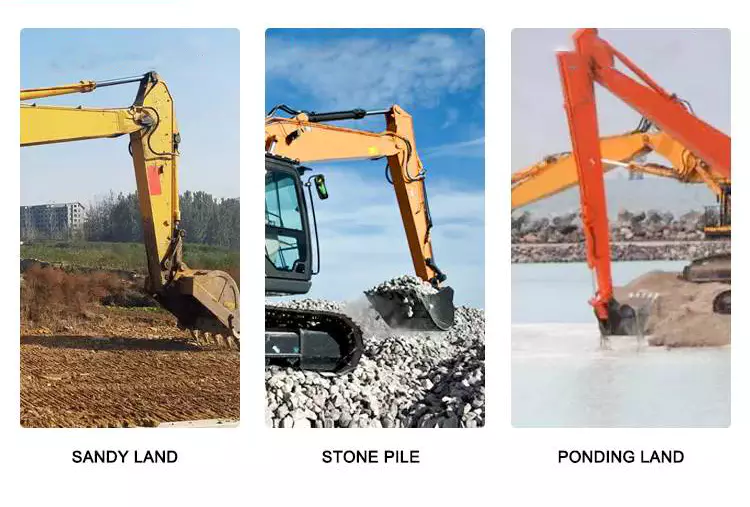
Appliactions:Energy industry, 1600 Czochralski Monocrystal Growth Furnace.
Metodo di montaggio:
La nostra fabbrica:
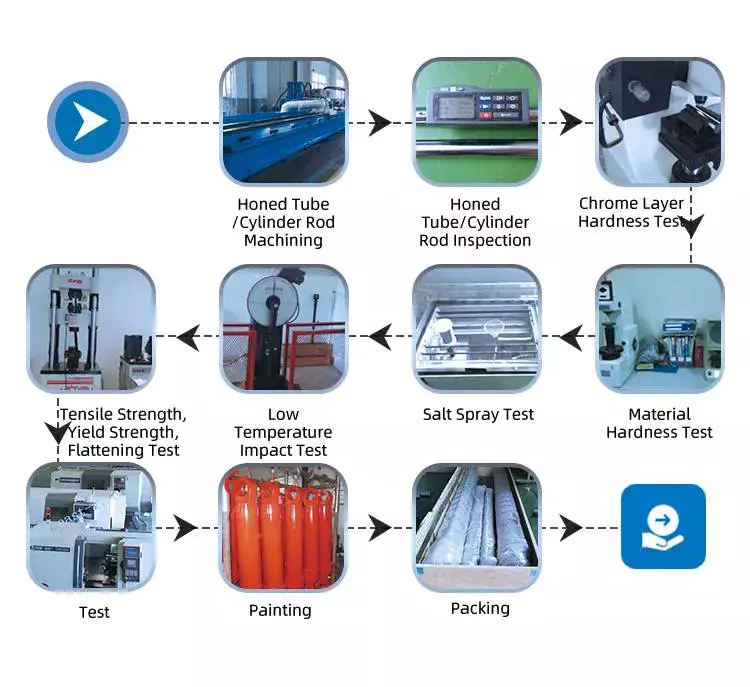
Processo di ispezione:
| Tipo di ispezione | Standard di ispezione |
| Ispezione delle materie prime | Prima dello stoccaggio, il controllo qualità effettua la misurazione delle materie prime. |
| Ispezione dei materiali di processo | Durante la produzione, i controlli qualità effettuano un'ispezione casuale. Prima che i componenti del cilindro idraulico vengano trasferiti al processo successivo, i controlli qualità eseguono un'ispezione. |
| Test di funzionalità finale | Tutti i cilindri idraulici vengono sottoposti a test di funzionalità idraulica |
Inspection of Mechanical Properties of Raw Materials
Process Inspection
Final Testing
Packing & Delivery:
About US:
Our Certificate
ZheJiang Tianjian Hydraulic Technology Co.,Ltd is specializing in the production of various types of hydraulic cylinders as well as cylinder barrel, piston cylinder and other cylinder accessories.
As a highly specialized manufacturer of hydraulic cylinders, tianjian provides design optimization solutions and reliable products to many customers at home and abroad. No matter in construction machinery, railway bridge machinery, port ship machinery, metallurgy and mining machinery, oil and light industry machinery, special vehicles and other industries, tianjian can provide various standard and non-standard hydraulic cylinder design optimization schemes and products according to users’ requirements, and provide integrated services for perfection and quality.
Se possibile, quando ci contatti, ti preghiamo di fornire le informazioni di seguito
|
Foro |
Asta |
Colpo |
Pressione di lavoro |
Montaggio |
Ambiente di lavoro |
|
|
|
|
|
|
|
Oppure puoi fornirci il tuo schizzo, diagramma o foto in modo che possiamo capire esattamente cosa intendi e aiutarci a evitare errori.
E se avete dei campioni, possiamo produrli in base ai vostri campioni dopo averceli inviati.
Se hai tempo, ti aspettiamo nella nostra fabbrica.
La vostra soddisfazione è la nostra più grande motivazione.
Our Main Customers
Ora puoi contattarci per qualsiasi domanda o richiesta.
Domande frequenti:
1. Di cosa si occupa la vostra azienda?
A: siamo un fornitore di prodotti idraulici di alta qualità, tra cui cilindri idraulici, motori idraulici, centraline idrauliche, stazioni idrauliche e altri componenti idraulici.
2. Siete un'azienda manifatturiera o commerciale?
A: Siamo un produttore.
3. Che certificato hai?
R: Tutti i nostri stabilimenti sono certificati ISO. I nostri principali fornitori di materiali e componenti sono certificati CE, RoHS, CSA e UL.
4. Quanto tempo ci vuole per la consegna?
A: The delivery time depends on different products and quantity. The cylinder usually need about 45-60 days and the Motor need about 30-50 days.
5. Potete realizzare parti in base alle esigenze o ai disegni del cliente?
R: Sì, possiamo realizzare prodotti OEM in base ai vostri disegni. I nostri ingegneri possono anche fornirvi supporto professionale per suggerimenti tecnici.
6. Quali sono le modalità di pagamento accettate?
R: Preferiamo il pagamento tramite bonifico bancario. 30% alla conferma dell'ordine e 70% prima della spedizione. La L/C è accettabile anche per importi superiori a 20.000 USD.
7. Qual è la vostra politica di garanzia?
A: All our products are warranted for 1 full year from date of delivery against defects in materials and workmanship. This warranty does not cover parts that are worn out through the course of normal operation or are damaged through negligence. We serious remind that unclean hydraulic oil will definitely cause damage to your Hydraulic components. And this damage is not included in the warranty range. So we strongly suggest you to use new clean oil or make sure the system oil are clean when using our parts
/* October 22, 2571 15:47:17 */(()=>{function d(e,r){var a,o={};try{e&&e.split(“,”).forEach(function(e,t){e&&(a=e.match(/(.*?):(.*)$/))&&1
What advancements in hydraulic cylinder technology have improved sealing and reliability?
Advancements in hydraulic cylinder technology have continuously contributed to improving sealing and reliability in hydraulic systems. These advancements aim to address common challenges such as leakage, wear, and failure of seals, ensuring optimal performance and longevity. Here are several key advancements that have significantly improved sealing and reliability in hydraulic cylinders:
1. High-Performance Sealing Materials:
– The development of advanced sealing materials has greatly improved the sealing capabilities of hydraulic cylinders. Traditional sealing materials like rubber have been replaced or enhanced with high-performance materials such as polyurethane, PTFE (polytetrafluoroethylene), and various composite materials. These materials offer superior resistance to wear, temperature, and chemical degradation, resulting in improved sealing performance and extended seal life.
2. Enhanced Seal Designs:
– Advancements in seal designs have focused on improving sealing efficiency and reliability. Innovative seal profiles, such as lip seals, wipers, and scrapers, have been developed to optimize fluid retention and prevent contamination. These designs provide better sealing performance, minimizing the risk of fluid leakage and maintaining system integrity. Additionally, improved seal geometries and manufacturing techniques ensure tighter tolerances, reducing the potential for seal failure due to misalignment or extrusion.
3. Integrated Seal and Bearing Systems:
– Hydraulic cylinders now incorporate integrated seal and bearing systems, where the sealing elements also serve as bearing surfaces. This design approach reduces the number of components and potential failure points, improving overall reliability. By integrating seals and bearings, the risk of seal damage or displacement due to excessive loads or misalignment is minimized, resulting in enhanced sealing performance and increased reliability.
4. Advanced Coatings and Surface Treatments:
– The application of advanced coatings and surface treatments to hydraulic cylinder components has significantly improved sealing and reliability. Coatings such as chrome plating or ceramic coatings enhance surface hardness, wear resistance, and corrosion resistance. These surface treatments provide a smoother and more durable surface for seals to operate against, reducing friction and improving sealing performance. Moreover, specialized coatings can also provide self-lubricating properties, reducing the need for additional lubrication and enhancing reliability.
5. Sealing System Monitoring and Diagnostic Technologies:
– The integration of monitoring and diagnostic technologies in hydraulic systems has revolutionized seal performance and reliability. Sensors and monitoring systems can detect and alert operators to potential seal failures or leaks before they escalate. Real-time monitoring of pressure, temperature, and seal performance parameters allows for proactive maintenance and early intervention, preventing costly downtime and ensuring optimal sealing and reliability.
6. Computational Modeling and Simulation:
– Computational modeling and simulation techniques have played a significant role in advancing hydraulic cylinder sealing and reliability. These tools enable engineers to analyze and optimize seal designs, fluid flow dynamics, and contact stresses. By simulating various operating conditions, potential issues such as seal extrusion, wear, or leakage can be identified and mitigated early in the design phase, resulting in improved sealing performance and enhanced reliability.
7. Systematic Maintenance Practices:
– Advances in hydraulic cylinder technology have also emphasized the importance of systematic maintenance practices to ensure sealing and overall system reliability. Regular inspection, lubrication, and replacement of seals, as well as routine system flushing and filtration, help prevent premature seal failure and optimize sealing performance. Implementing preventive maintenance schedules and adhering to recommended service intervals contribute to extended seal life and enhanced reliability.
In summary, advancements in hydraulic cylinder technology have led to significant improvements in sealing and reliability. High-performance sealing materials, enhanced seal designs, integrated seal and bearing systems, advanced coatings and surface treatments, sealing system monitoring and diagnostics, computational modeling and simulation, and systematic maintenance practices have all played key roles in achieving optimal sealing performance and increased reliability. These advancements have resulted in more efficient and dependable hydraulic systems, minimizing leakage, wear, and failure of seals, and ultimately improving the overall performance and longevity of hydraulic cylinders in diverse applications.
Gestione delle sfide delle diverse viscosità dei fluidi nei cilindri idraulici
I cilindri idraulici sono progettati per gestire le sfide associate alle diverse viscosità dei fluidi. La viscosità del fluido idraulico può variare in base alla temperatura, al tipo di fluido utilizzato e ad altri fattori. I sistemi idraulici devono tenere conto di queste variazioni per garantire prestazioni ed efficienza ottimali. Scopriamo come i cilindri idraulici affrontano le sfide delle diverse viscosità dei fluidi:
- Selezione del fluido: I cilindri idraulici sono progettati per funzionare con una vasta gamma di fluidi idraulici, ognuno con le sue specifiche caratteristiche di viscosità. La scelta del fluido appropriato con la viscosità desiderata è fondamentale per garantire prestazioni ottimali. I produttori forniscono linee guida relative all'intervallo di viscosità raccomandato per specifici sistemi idraulici e cilindri. Scegliendo il fluido giusto, i cilindri idraulici possono affrontare efficacemente le sfide poste dalle diverse viscosità dei fluidi.
- Compensazione della viscosità: I sistemi idraulici spesso incorporano funzionalità per compensare le variazioni di viscosità del fluido. Ad esempio, alcuni sistemi idraulici utilizzano valvole di compensazione della pressione che regolano la portata in base alla viscosità del fluido. Questa compensazione garantisce prestazioni costanti in diverse condizioni operative e viscosità del fluido. I cilindri idraulici lavorano in sinergia con questi meccanismi di compensazione per mantenere precisione e controllo, indipendentemente dalla viscosità del fluido.
- Controllo della temperatura: La viscosità del fluido dipende fortemente dalla temperatura. I cilindri idraulici impiegano diversi meccanismi di controllo della temperatura per affrontare le sfide poste dalle variazioni di viscosità indotte dalla temperatura. Scambiatori di calore, refrigeratori e valvole termostatiche sono comunemente utilizzati per regolare la temperatura del fluido idraulico all'interno del sistema. Controllando la temperatura del fluido, i cilindri idraulici possono mantenere l'intervallo di viscosità desiderato, garantendo un funzionamento affidabile ed efficiente.
- Filtrazione efficiente: I contaminanti presenti nel fluido idraulico possono influenzarne la viscosità e le prestazioni complessive. I sistemi idraulici integrano efficienti sistemi di filtrazione per rimuovere particelle e impurità dal fluido. Un fluido pulito con la viscosità appropriata garantisce il funzionamento ottimale dei cilindri idraulici. La manutenzione regolare e la sostituzione dei filtri sono essenziali per mantenere la viscosità desiderata del fluido e prevenire problemi legati alla contaminazione.
- Lubrificazione corretta: Le diverse viscosità dei fluidi possono influire sulle proprietà di lubrificazione all'interno dei cilindri idraulici. La lubrificazione è essenziale per ridurre al minimo l'attrito e l'usura tra le parti in movimento. I sistemi idraulici utilizzano lubrificanti specificamente formulati per l'intervallo di viscosità previsto del fluido. Una lubrificazione adeguata garantisce un funzionamento regolare e prolunga la durata dei cilindri idraulici, anche in presenza di fluidi con viscosità variabile.
In sintesi, i cilindri idraulici adottano diverse strategie per gestire le sfide associate alle diverse viscosità dei fluidi. Selezionando i fluidi appropriati, integrando meccanismi di compensazione della viscosità, controllando la temperatura, implementando una filtrazione efficiente e garantendo una lubrificazione adeguata, i cilindri idraulici possono adattarsi alle variazioni di viscosità dei fluidi. Queste misure consentono ai sistemi idraulici di offrire prestazioni costanti, controllo preciso e funzionamento efficiente in diversi intervalli di viscosità dei fluidi.
What benefits do hydraulic cylinders offer for tasks requiring heavy lifting or movement?
Hydraulic cylinders offer numerous benefits for tasks that involve heavy lifting or movement. Their unique design and characteristics make them well-suited for applications that require substantial force, precise control, and reliable operation. Here are the detailed benefits that hydraulic cylinders provide for such tasks:
1. High Force Generation:
– Hydraulic cylinders are capable of generating significant amounts of force. By utilizing hydraulic pressure, which can be easily amplified, hydraulic cylinders can exert substantial force to lift and move heavy loads. The force output of a hydraulic cylinder is directly proportional to the hydraulic pressure and the surface area of the piston. This high force capability makes hydraulic cylinders ideal for tasks that involve heavy lifting, pushing, or pulling.
2. Precise Control:
– Hydraulic cylinders offer precise control over the force and motion they generate. By regulating the flow of hydraulic fluid into the cylinder, the speed, direction, and position of the cylinder’s movement can be accurately controlled. This level of control is crucial for tasks that require precise positioning, delicate movements, or synchronization of multiple cylinders. It enables operators to perform operations with accuracy and minimize the risk of damage or accidents.
3. Safety:
– Hydraulic cylinders are designed with safety features to ensure the protection of both personnel and equipment. They incorporate overload protection mechanisms, such as relief valves, that prevent excessive force or pressure from damaging the system. Additionally, hydraulic cylinders allow for controlled and gradual movements, reducing the risk of sudden and uncontrolled motions that could pose safety hazards during heavy lifting or movement tasks.
4. Versatility and Adaptability:
– Hydraulic cylinders are versatile components that can be adapted to meet specific requirements. They can be customized based on factors such as force capacity, stroke length, speed, and mounting options, allowing them to be integrated into various types of machinery. This versatility makes hydraulic cylinders suitable for a wide range of applications, including construction, material handling, mining, agriculture, and more.
5. Smooth and Controlled Operation:
– Hydraulic cylinders provide smooth and controlled operation, ensuring efficient and reliable performance during heavy lifting or movement tasks. The hydraulic fluid acts as a cushioning medium, which helps dampen shocks and vibrations, resulting in smoother and quieter operation. This controlled operation also reduces the risk of damage to the load being lifted or the surrounding equipment.
6. Compact Design:
– Hydraulic cylinders offer a high power-to-size ratio, allowing for compact machinery design. Their relatively small size, compared to the forces they can generate, makes them suitable for applications where space is limited or weight restrictions apply. This compact design enables the integration of hydraulic cylinders into different types of equipment without compromising performance or efficiency.
7. Durability and Reliability:
– Hydraulic cylinders are built to withstand rigorous operating conditions and provide long-term reliability. They are constructed with robust materials, precise machining, and effective sealing systems to ensure durability and prevent fluid leakage. Hydraulic cylinders can withstand high pressures, heavy loads, and continuous use, making them suitable for demanding tasks involving heavy lifting or movement.
8. Energy Efficiency:
– Hydraulic cylinders contribute to energy efficiency in tasks requiring heavy lifting or movement. Hydraulic systems allow for the transfer of power over long distances without significant power losses. Additionally, hydraulic cylinders can incorporate energy-saving features such as load-sensing technology and regenerative circuits, which reduce energy consumption by optimizing the use of hydraulic fluid.
In summary, hydraulic cylinders offer several benefits for tasks that involve heavy lifting or movement. They provide high force generation, precise control, safety features, versatility, smooth operation, compact design, durability, and energy efficiency. These advantages make hydraulic cylinders indispensable components in various industries where heavy loads need to be lifted, pushed, or moved with accuracy and reliability.


editor by Dream 2024-11-26