Product Description
[Features]
Our company now supplies a large number of piston pumps, motors, hydraulic valve, vane pump, gear pump,hydraulic cyliner ,hydraulic accumulator ,reducers and related spare parts. The main manufacturers are: Rexroth, Hitachi, Komatsu, Kawasaki, CHINAMFG , Toshiba, CHINAMFG / Katoetc,Parke ,Nachi,Yuken,Eaton,Vickers,JEIL,KAYABA,HAWE,SAM,KOKIWA,OILGEAR,MESSORID and other products.
| PocLlain Hydraulics Motor Hydraulic Motor Category Introduction: 1. MS series (multi -purpose): MS/MSE02, MSE03, MS/MSE05, MS/MSE08, MS/MSE11, MS/MSE18, MS25, MS35, MS50, MS83, MS125 2. MK series (compact type): MK04, MKD04, MK05, MK09, MK/MKE12, MK/MKE18, MK/MKE23, mk35, mk47, mk47 3. MG series: MG/MGE02 Series, MG/MGE11 Series, MG21 Series 4. CHINAMFG series: MW14 Series, MW24 Series, MW50 Series |
|
CHINAMFG SERIES HYDRAULIC PUMP /MOTOR CHINAMFG Series: A4V40; A4V56; A4V71; A4V125; A4V250; A4VFO28; A4VSO40; A4VSO71; A4VSO125; A4VSO180; A4VSO250; A4VSO355; A4VSO500; A4VF500 / A22VG045 A24VG A28VLO520 A11VLO A8VO A20VO 520 A2F5;A2F12;A2F23;A2VK28;2VK28;A2F28;A2F55;A2F80;A2F107;A2F160;A2F200; |
| Sauer Series:
PV20; PV21 (PVD21); PV22; PVD22 dual pump; PV23 (PVD23); PV24; SPV6 / 119; PV25; PV26; PV112; OPV27; MF16A; MFO35; MF500; MPVO46 / Sauer Sunstrand Hydraulic Motor. |
| Eaton CHINAMFG Series: 3321/3331 (Eaton 006); CHINAMFG 3322 (EATON3322); 4621/4621-007; 5421/5431 (Eaton 23); Case 1460 (CASE1460); Case CS05A; CHINAMFG 3932-243; CHINAMFG 6423; 7621 (Eaton 24-7620); Road roller (Eaton 78462). CHINAMFG series: PVE19;TA19;PVE21;PVH45;PVH57;PVH74;PVH81;PVH98;PVH106(HPN-1398);PVH131;PVH141;PVB5;PVB6;PVB10;PVB15(PVQ32 some common);PVB20;PVB29;PVBQA29-SR;PVQ40 /50; PVB110; TB35; B45 |
| Parker series PVP16/23/33/41/48/60/76/100/140; PVM16/23/28;PV016/571/571/571/032/040/046/063; F11-005/006/012/014/019/10/28/39/80/110/150/250; F12-030/040/060/080/110/125/150/250; V12-060/080 P2/P3-060/075/105/145; PAVC 33/38/65/100 |
| YUKEN hydraulic pump AR variable piston pump: AR16, AR22 A variable piston pump: A10,A16,A22,A37,A40,A45,A56,A70,A80,A90,A125,A145 A3H variable piston pump: A3H16 A3H37 A3H56 A3H70 A3H100 A3H145 A3H180 Vane pump: PV2R PV2R2 PV2R3 PV2R4 PV2R21 PV2R23 PV2R42 PV2R43 |
| LINDE Model Number Linde HMF63-01 MPF55-01 MPR28 MPR45 MPR63 MPR71-01 HPR75-01 HPR90-01 HPR100-01 HPR130-01 HPR160-01 HPR55 HPR75 HPR105 HPR135 HPR165 HPR210 MPV45-01 MPV63-01 HMR75-02 HMR105-02 HMR135-02 HMR165-02 HMR210-02 HMR280-02 BPV35 BPV50 BPV70 BPV100 BPV200 B2PV35 B2PV50 B2PV75 B2PV105 B2PV140 B2PV186 BMF35 BMF55 BMF75 BMF105 BMF135 BMF140 BMF186 BMF260 BMV35 BMV55 BMV75 BMV105 BMV135 BMV140 BPR55 BPR75 BPR140 BPR186 BPR260 HPV55T HPV75 HPV105 HPV135 HPV165 HPV210 HPV280 HMF28 HMF35 HMF50 HMF55 HMF75 HMF105 HMF135 HMF165 HMF210 HMF280 HPV130-01 |
[Products]
[Company Profile ]
–
/* May 10, 2571 16:49:51 */!function(){function d(e,r){var a,o={};try{e&&e.split(“,”).forEach(function(e,t){e&&(a=e.match(/(.*?):(.*)$/))&&1
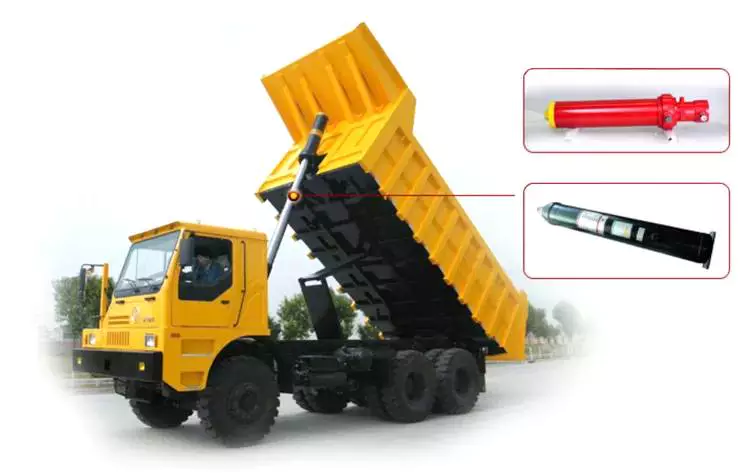
Can hydraulic cylinders be adapted for specialized applications like material handling?
Yes, hydraulic cylinders can be effectively adapted for specialized applications such as material handling. The versatility, power, and precise control offered by hydraulic cylinders make them well-suited for a wide range of material handling tasks. Hydraulic systems, including cylinders, are commonly used in industrial settings to lift, position, push, pull, and manipulate various types of materials. Here’s a detailed explanation of how hydraulic cylinders can be adapted for specialized material handling applications:
1. Lifting and Lowering:
– Hydraulic cylinders are commonly used for lifting and lowering heavy loads in material handling applications. By utilizing the force generated by hydraulic pressure, cylinders can provide the necessary power to lift and hold loads at different elevations. The precise control offered by hydraulic systems allows for accurate positioning of materials, ensuring efficient and safe lifting operations.
2. Pushing and Pulling:
– Hydraulic cylinders are capable of generating substantial pushing and pulling forces, making them ideal for applications that involve moving or manipulating materials. They can be used to push or pull heavy objects, control the movement of conveyors or rollers, or engage mechanisms for material transfer. The ability to exert high forces with precise control enables hydraulic cylinders to efficiently handle a variety of material handling tasks.
3. Tilting and Rotating:
– Hydraulic cylinders can be adapted to provide tilting and rotating functions in material handling equipment. By integrating cylinders into the design, equipment such as forklifts, cranes, or material handling arms can tilt or rotate to facilitate material placement or maneuvering. Hydraulic cylinders offer the required force and control to achieve smooth and controlled tilting or rotating motions, enhancing operational efficiency in material handling processes.
4. Gripping and Clamping:
– Hydraulic cylinders can be utilized to provide gripping and clamping functions for secure material handling. By incorporating specialized gripping or clamping mechanisms with hydraulic actuation, materials of various shapes and sizes can be securely held or clamped during transportation or processing. Hydraulic cylinders enable precise and adjustable gripping or clamping forces, ensuring the safe and reliable handling of materials.
5. Material Compaction and Forming:
– Hydraulic cylinders can be adapted for material compaction and forming applications. For example, in the production of bricks, hydraulic cylinders are used to apply high pressure and force to compact the raw materials into desired shapes. Similarly, in metal forming processes, hydraulic cylinders are employed to exert force on metal sheets or components, enabling precise shaping and forming operations.
6. Conveyor and Sorting Systems:
– Hydraulic cylinders can be integrated into conveyor and sorting systems to facilitate material movement and sorting. By incorporating hydraulic actuators, conveyor belts or sorting mechanisms can be efficiently controlled for optimal material flow and distribution. Hydraulic cylinders provide the necessary force and control to handle varying load capacities and adjust the speed and position of material transfer, improving the overall efficiency of handling and sorting operations.
7. Customized Designs:
– Hydraulic cylinders can be customized and adapted to meet specific requirements of specialized material handling applications. Engineers can design cylinders with unique dimensions, stroke lengths, mounting options, and sealing arrangements to fit into equipment or systems with specific space limitations or operating conditions. Customized hydraulic cylinders ensure optimal performance and compatibility for specialized material handling tasks.
In summary, hydraulic cylinders can be effectively adapted for specialized material handling applications, offering the necessary force, control, and versatility required in various material handling tasks. Whether it involves lifting and lowering, pushing and pulling, tilting and rotating, gripping and clamping, material compaction and forming, or integration into conveyor and sorting systems, hydraulic cylinders provide reliable and efficient solutions. Their adaptability, precise control, and ability to handle heavy loads make hydraulic cylinders a valuable component in optimizing material handling processes across different industries.
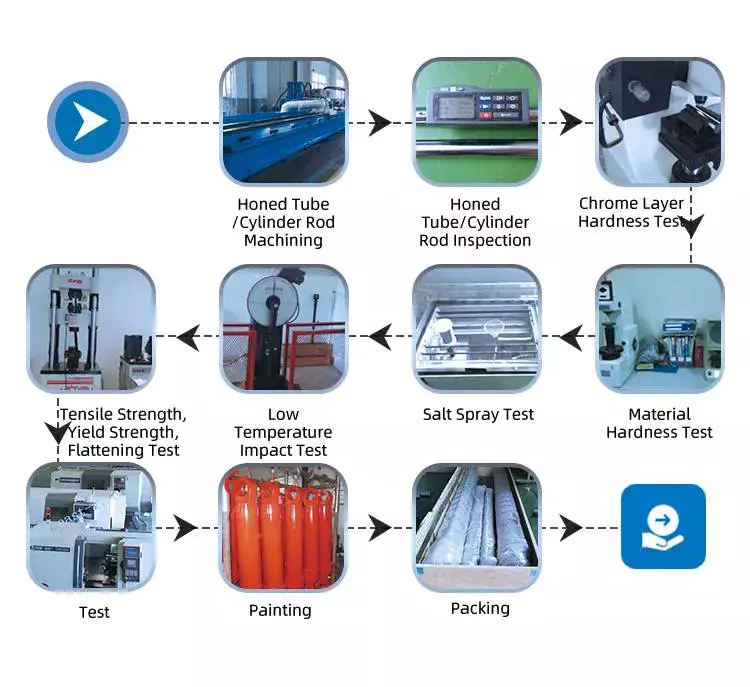
Решение проблем, связанных с различной вязкостью жидкостей в гидравлических цилиндрах
Гидравлические цилиндры разработаны для работы с жидкостями различной вязкости. Вязкость гидравлической жидкости может меняться в зависимости от температуры, типа используемой жидкости и других факторов. Гидравлические системы должны учитывать эти изменения для обеспечения оптимальной производительности и эффективности. Давайте рассмотрим, как гидроцилиндры справляются с работой с жидкостями различной вязкости:
- Выбор жидкости: Гидравлические цилиндры предназначены для работы с различными гидравлическими жидкостями, каждая из которых обладает своими специфическими характеристиками вязкости. Выбор подходящей жидкости с необходимой вязкостью имеет решающее значение для обеспечения оптимальной производительности. Производители предоставляют рекомендации по рекомендуемому диапазону вязкости для конкретных гидравлических систем и цилиндров. Правильный выбор жидкости позволяет гидроцилиндрам эффективно справляться с задачами, связанными с жидкостями различной вязкости.
- Компенсация вязкости: Гидравлические системы часто включают в себя механизмы компенсации колебаний вязкости жидкости. Например, в некоторых гидравлических системах используются клапаны компенсации давления, которые регулируют расход в зависимости от вязкости жидкости. Такая компенсация обеспечивает стабильную работу в различных рабочих условиях и при различных вязкостях жидкости. Гидроцилиндры работают совместно с этими механизмами компенсации, обеспечивая точность и управляемость независимо от вязкости жидкости.
- Контроль температуры: Вязкость жидкости сильно зависит от температуры. В гидроцилиндрах используются различные механизмы регулирования температуры для решения проблем, связанных с изменением вязкости под воздействием температуры. Для регулирования температуры гидравлической жидкости в системе обычно используются теплообменники, охладители и термостатические клапаны. Регулируя температуру жидкости, гидроцилиндры поддерживают требуемый диапазон вязкости, обеспечивая надежную и эффективную работу.
- Эффективная фильтрация: Загрязнения в гидравлической жидкости могут влиять на её вязкость и общие эксплуатационные характеристики. Гидравлические системы оснащены эффективными системами фильтрации для удаления частиц и примесей из жидкости. Чистая жидкость с подходящей вязкостью обеспечивает оптимальную работу гидравлических цилиндров. Регулярное техническое обслуживание и замена фильтров необходимы для поддержания требуемой вязкости жидкости и предотвращения проблем, связанных с её загрязнением.
- Правильная смазка: Различная вязкость жидкости может влиять на смазочные свойства гидравлических цилиндров. Смазка необходима для минимизации трения и износа между движущимися частями. В гидравлических системах используются смазочные материалы, специально разработанные для предполагаемого диапазона вязкости жидкости. Правильная смазка обеспечивает плавную работу и продлевает срок службы гидравлических цилиндров даже при использовании жидкостей разной вязкости.
Подводя итог, можно сказать, что в гидроцилиндрах используются различные стратегии для решения задач, связанных с жидкостями различной вязкости. Благодаря выбору подходящих жидкостей, использованию механизмов компенсации вязкости, контролю температуры, эффективной фильтрации и обеспечению надлежащей смазки гидроцилиндры способны работать с различными уровнями вязкости. Эти меры позволяют гидравлическим системам обеспечивать стабильную производительность, точное управление и эффективную работу в различных диапазонах вязкости.
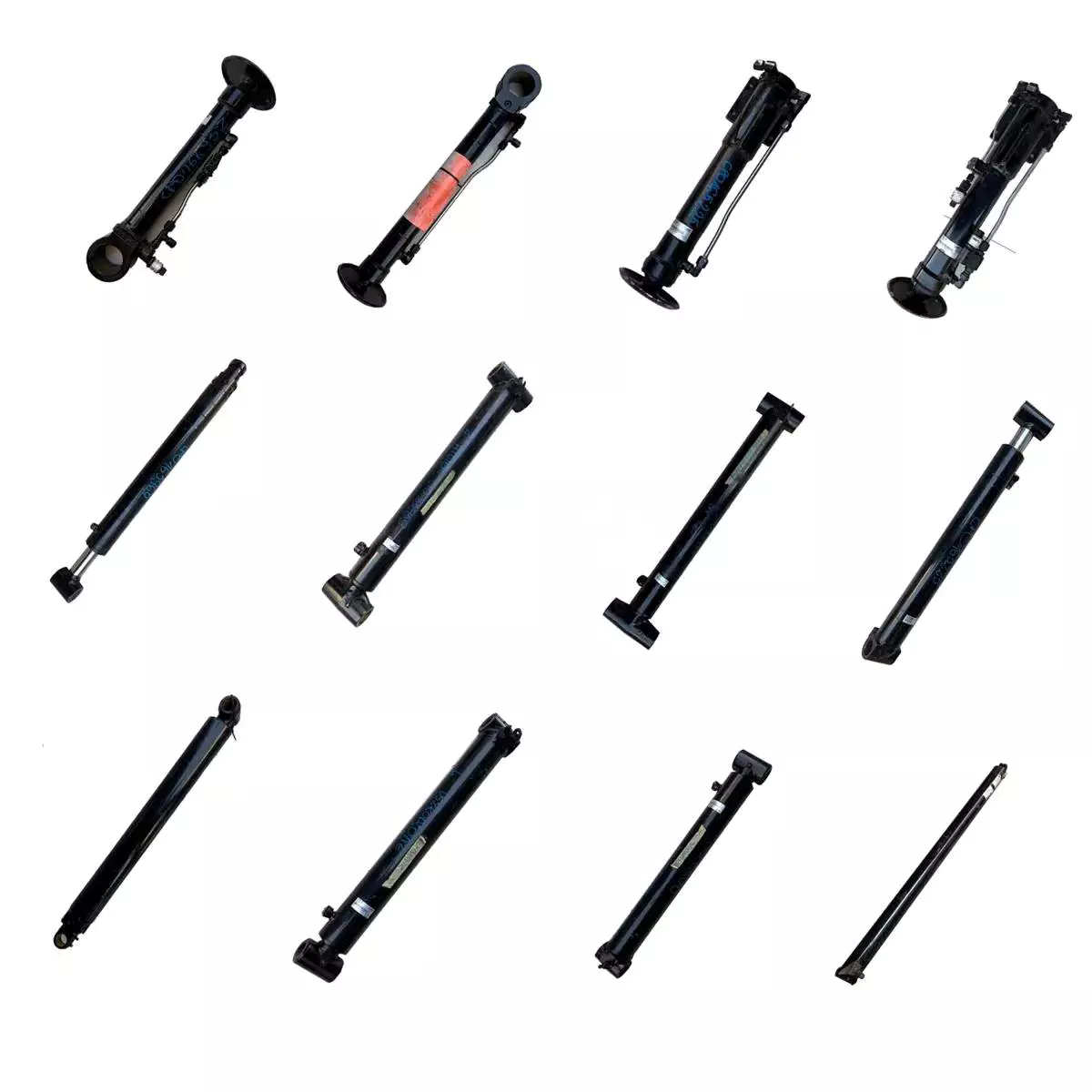
How do hydraulic cylinders handle variations in load, pressure, and speed?
Hydraulic cylinders are designed to handle variations in load, pressure, and speed effectively. They incorporate features and components that allow them to adapt to changing operating conditions and maintain optimal performance. Here’s a detailed explanation of how hydraulic cylinders handle variations in load, pressure, and speed:
Variations in Load:
– Hydraulic cylinders are capable of handling variations in load by adjusting the force they exert. The force output of a hydraulic cylinder is determined by the hydraulic pressure and the surface area of the piston. When the load increases, the pressure in the hydraulic system can be adjusted to generate a higher force. This adjustment can be achieved by regulating the flow of hydraulic fluid into the cylinder using control valves. By controlling the pressure and flow, hydraulic cylinders can adapt to different load requirements, ensuring that the force applied is sufficient to handle the load while preventing excessive force that could cause damage.
Variations in Pressure:
– Hydraulic cylinders are designed to handle variations in pressure within the hydraulic system. They are equipped with seals and other components that can withstand high-pressure conditions. When the pressure within the hydraulic system fluctuates, the hydraulic cylinder adjusts accordingly to maintain its performance. The seals prevent fluid leakage and ensure that the hydraulic pressure is effectively transmitted to the piston, allowing the cylinder to generate the required force. Additionally, hydraulic systems often incorporate pressure relief valves and other safety mechanisms to protect the cylinder and the entire system from overpressure conditions.
Variations in Speed:
– Hydraulic cylinders can handle variations in speed through the control of hydraulic fluid flow. The speed of a hydraulic cylinder’s extension or retraction is determined by the rate at which hydraulic fluid enters or exits the cylinder. By adjusting the flow rate using flow control valves, the speed of the cylinder’s movement can be regulated. This allows for precise control over the speed, enabling operators to adapt to varying speed requirements based on the specific task or load. Furthermore, hydraulic systems can incorporate flow control valves with adjustable orifice sizes to fine-tune the speed of the cylinder’s movement.
Load-Sensing Technology:
– Advanced hydraulic systems may incorporate load-sensing technology to further enhance the ability of hydraulic cylinders to handle variations in load, pressure, and speed. Load-sensing systems monitor the load demand and adjust the hydraulic pressure and flow accordingly to meet that demand. This technology ensures that the hydraulic cylinder provides the necessary force while optimizing energy efficiency. Load-sensing systems are particularly beneficial in applications where the load requirements can vary significantly, allowing hydraulic cylinders to adapt in real-time and maintain precise control over force and speed.
Accumulators:
– Hydraulic systems can also utilize accumulators to assist in handling variations in load, pressure, and speed. Accumulators store hydraulic fluid under pressure, which can be released when needed to supplement the flow and pressure in the system. When there are sudden increases in load or pressure demands, accumulators can provide additional fluid to the hydraulic cylinder, ensuring smooth operation and preventing pressure drops. Similarly, accumulators can assist in maintaining consistent speed by compensating for fluctuations in flow rate. They act as a supplemental energy source, helping hydraulic cylinders respond effectively to variations in operating conditions.
In summary, hydraulic cylinders handle variations in load, pressure, and speed through various mechanisms and components. They can adjust the force output to accommodate different load requirements by regulating hydraulic pressure. The seals and components within hydraulic cylinders allow them to withstand variations in pressure within the hydraulic system. By controlling the flow of hydraulic fluid, hydraulic cylinders can regulate the speed of their movement. Advanced technologies such as load-sensing systems and the use of accumulators further enhance the adaptability of hydraulic cylinders to changing operating conditions. These features and mechanisms enable hydraulic cylinders to maintain optimal performance and provide reliable force and motion control in a wide range of applications.
<img src="https://img.jiansujichilun.com/img/hydrauliccylinders/hydrauliccylinders-l1.webp" alt="China Standard CZPT Hydraulic Cylinders Block Cylinder Vbl Gvcn Vbls Vbm Vsp Vce Vdi Fpa OPC Rvcn VCR Vxp vacuum pump ac”><img src="https://img.jiansujichilun.com/img/hydrauliccylinders/hydrauliccylinders-l2.webp" alt="China Standard CZPT Hydraulic Cylinders Block Cylinder Vbl Gvcn Vbls Vbm Vsp Vce Vdi Fpa OPC Rvcn VCR Vxp vacuum pump ac”>
editor by Dream 2024-10-09