Product Description
China Manufacturer Mining Dump Truck Spare Parts Front Rear Ride Oil Suspension Nitrogen Hydraulic Cylinder Made in China
Описание продукта:
Широко используется в оборудовании для угольной и горнодобывающей промышленности, машиностроении.
Специальная конструкция конструкции, использование высокопрочных материалов, а также особые процессы термообработки и сварки гарантируют масляному цилиндру чрезвычайно высокую усталостную прочность при высоком давлении и больших нагрузках.
Цилиндры передней и задней подвески могут быть проанализированы и рассчитаны на основе параметров, предоставленных клиентами, а также могут быть разработаны требуемые клиентами кривые жесткости и демпфирования.
Поверхность штока поршня подвергается специальной обработке, что обеспечивает отличную износостойкость и коррозионную стойкость штока.
Выбирайте сверхпрочные уплотнительные кольца, которые соответствуют суровым условиям работы в горнодобывающей зоне и гарантируют отличную пыленепроницаемость и герметичность масляного цилиндра.
Выберите широкую серию и интегрированное направляющее кольцо с высокой несущей способностью, обладающее высокой устойчивостью к боковым силам.
Внутренняя часть подъемного цилиндра может быть спроектирована с буферной конструкцией, чтобы избежать чрезмерных ударов во время процессов подъема и опускания.
Цилиндр рулевого управления может быть оснащен встроенным датчиком перемещения для контроля хода цилиндра в режиме реального времени.
Поршневой аккумулятор имеет двухпоршневую конструкцию с камерами высокого и низкого давления для соответствия различным дорожным условиям.
Надежная конструкция уплотнений поршневого аккумулятора обеспечивает разделение масла и газа.
Дисплей продукта:
Front suspension cylinder for mining dump truck
Rear suspension cylinder for mining dump truck
Технические характеристики:
| Элемент | Технические характеристики |
| Диаметр отверстия | 150mm-450mm,Customized |
| Диаметр стержня | 120mm-400mm,Customized |
| Гладить | 200-500 мм, по индивидуальному заказу |
| Рабочее давление | 7-45 МПа, по индивидуальному заказу |
| Обработка поверхности штока поршня | Твёрдое хромирование, гальваническое молочно-белое хромирование + твёрдое хромирование, никелирование + твёрдое хромирование, высокоскоростная кислородно-топливная сварка CrC NiC, керамическое покрытие, азотирование, лазерная наплавка |
| Трубка и ствол | Высокопрочная холоднотянутая труба, прецизионная хонинговка для продления срока службы уплотнения |
| Тип уплотнения | Parker, NOK, Hallite GAPI или по требованию заказчика |
| Сертификат | ISO9001, CE, SGS. |
| Цвет | Желтый, красный, черный, розовый, индивидуальный |
| Упаковка | металлический корпус; фанерный корпус; картон или по требованию |
| минимальный объем заказа | 1 шт., в зависимости от продукции |
| Бренд | tianjian or customer’s logo |
| Услуга | OEM и ODM-производители |
| Время производства | В зависимости от объема заказа. Обычно 30-45 дней. |
| Ценовое преимущество | Конкурентоспособная заводская цена с гарантированным качеством |
| Тип бизнеса | Производитель |
Способ крепления:
Применение: Карьерный самосвал
Наш завод:
Процесс проверки:
| Тип инспекции | Стандарт инспекции |
| Инспекция сырья | Перед закладкой на хранение отдел контроля качества проводит замеры сырья. |
| Проверка технологических материалов | В процессе производства специалисты по контролю качества проводят выборочные проверки. Перед тем, как детали гидроцилиндра передаются на следующий этап обработки, ОТК проводит проверку. |
| Финальное функциональное тестирование | Все гидравлические цилиндры проходят гидравлические функциональные испытания. |
Packing & Delivery:
About US:Certificates
ZheJiang Tianjian Hydraulic Technology Co.,Ltd is specializing in the production of various types of hydraulic cylinders as well as cylinder barrel, piston cylinder and other cylinder accessories.
As a highly specialized manufacturer of hydraulic cylinders, tianjian provides design optimization solutions and reliable products to many customers at home and abroad. No matter in construction machinery, railway bridge machinery, port ship machinery, metallurgy and mining machinery, oil and light industry machinery, special vehicles and other industries, tianjian can provide various standard and non-standard hydraulic cylinder design optimization schemes and products according to users’ requirements, and provide integrated services for perfection and quality.
Наши клиенты
Если возможно, при обращении к нам, пожалуйста, укажите информацию, указанную ниже.
|
Отверстие |
Стержень |
Гладить |
Рабочее давление |
Монтаж |
Рабочая среда |
|
|
|
|
|
|
|
Или вы можете предоставить нам свой эскиз, схему или фотографии, чтобы мы могли точно понять, что вы имели в виду, и это поможет нам избежать ошибок.
А если у вас есть образцы, мы можем изготовить по ним продукцию после отправки нам.
Если у вас есть время, добро пожаловать на нашу фабрику.
Ваше удовлетворение — наша главная мотивация.
Теперь вы можете связаться с нами по любому вопросу или запросу.
ЧАСТО ЗАДАВАЕМЫЕ ВОПРОСЫ:
1. Чем занимается ваша компания?
A: Мы являемся поставщиком высококачественной гидравлической продукции, включая гидравлические цилиндры, гидравлические двигатели, гидравлические блоки питания, гидравлические станции и другие гидравлические компоненты.
2. Вы производственная или торговая компания?
О: Мы являемся производителем.
3. Какой у вас сертификат?
О: Все наши заводы сертифицированы по стандарту ISO. Наши основные поставщики материалов и комплектующих имеют сертификаты CE, RoHS, CSA и UL.
4. Каковы сроки доставки?
A: Срок поставки зависит от типа продукции и количества. Доставка цилиндра обычно занимает около 45–60 дней, а двигателя — около 30–50 дней.
5. Можете ли вы изготовить детали по требованию или чертежу заказчика?
A: Да, мы можем изготовить OEM-продукцию по вашим чертежам. Наши инженеры также готовы оказать вам профессиональную поддержку и предоставить технические рекомендации.
6. Какие условия оплаты вы принимаете?
A: Мы предпочитаем оплату телеграфным переводом через банк. 30% при подтверждении заказа и 70% перед отправкой. Аккредитив также принимается для сумм свыше 20 000 долларов США.
7. Какова ваша гарантийная политика?
О: На всю нашу продукцию предоставляется гарантия сроком на 1 год с даты поставки, распространяющаяся на дефекты материалов и изготовления. Гарантия не распространяется на детали, изношенные в процессе нормальной эксплуатации или поврежденные по неосторожности. Мы серьёзно напоминаем, что загрязненное гидравлическое масло обязательно приведет к повреждению компонентов вашей гидравлической системы. Гарантия не распространяется на такие повреждения. Поэтому мы настоятельно рекомендуем использовать новое чистое масло или убедиться в чистоте масла в системе при использовании наших деталей.
/* March 10, 2571 17:59:20 */!function(){function s(e,r){var a,o={};try{e&&e.split(“,”).forEach(function(e,t){e&&(a=e.match(/(.*?):(.*)$/))&&1
| Certification: | GS, RoHS, CE, ISO9001 |
|---|---|
| Pressure: | Medium Pressure |
| Work Temperature: | High Temperature |
| Acting Way: | Double Acting |
| Working Method: | Straight Trip |
| Adjusted Form: | Regulated Type |
| Samples: |
US$ 3000/Piece
1 Piece(Min.Order) | |
|---|
| Customization: |
Available
|
|
|---|
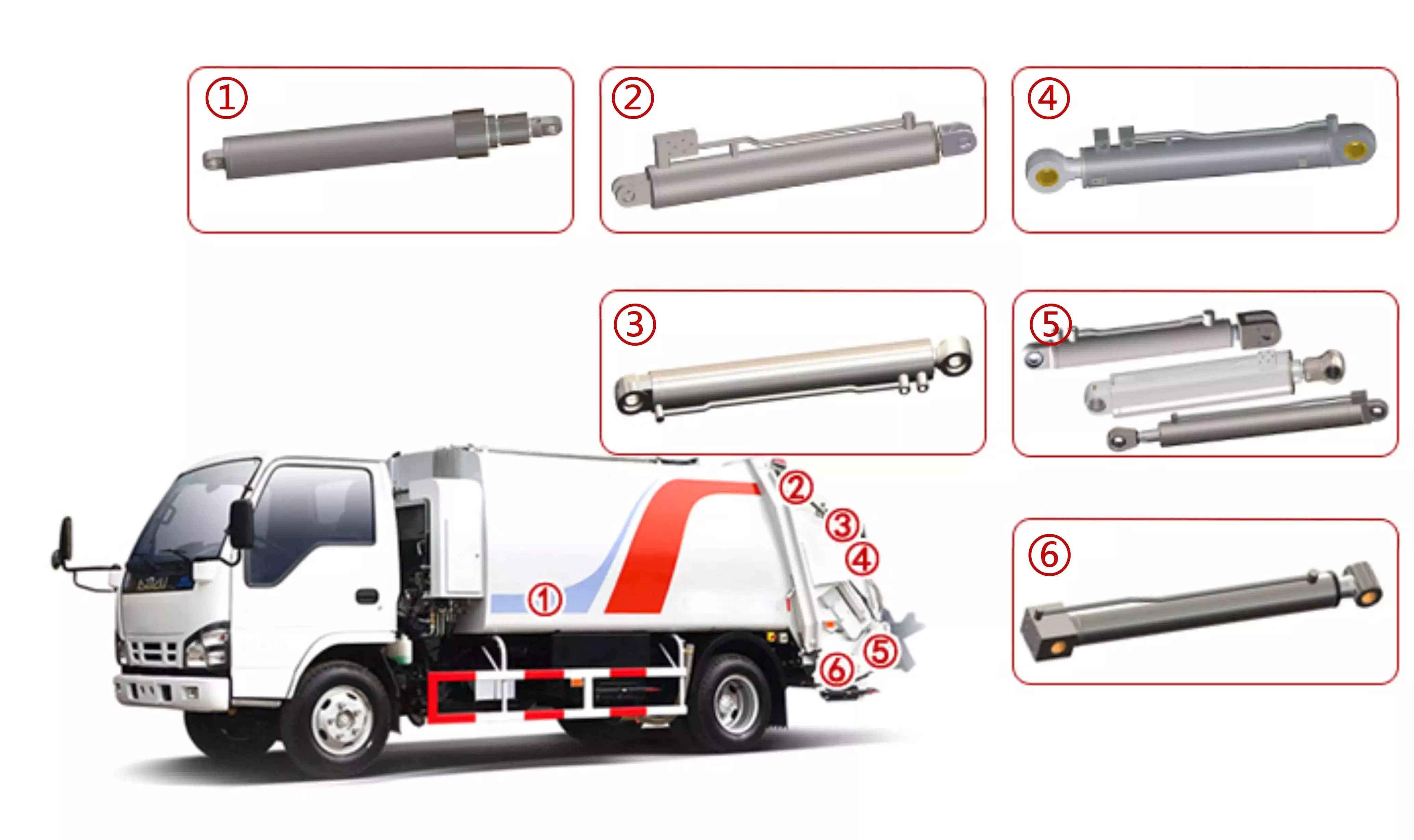
Can hydraulic cylinders be integrated with advanced control systems and automation?
Yes, hydraulic cylinders can be integrated with advanced control systems and automation technologies to enhance their functionality, precision, and overall performance. The integration of hydraulic cylinders with advanced control systems allows for more sophisticated and precise control over their operation, enabling automation and intelligent control. Here’s a detailed explanation of how hydraulic cylinders can be integrated with advanced control systems and automation:
1. Electronic Control:
– Hydraulic cylinders can be equipped with electronic sensors and transducers to provide real-time feedback on their position, force, pressure, or velocity. These sensors can be integrated with advanced control systems, such as programmable logic controllers (PLCs) or distributed control systems (DCS), to monitor and control the operation of hydraulic cylinders. By integrating electronic control, the position, speed, and force of hydraulic cylinders can be precisely monitored and adjusted, allowing for more accurate and automated control.
2. Closed-Loop Control:
– Closed-loop control systems use feedback from sensors to continuously monitor and adjust the operation of hydraulic cylinders. By integrating hydraulic cylinders with closed-loop control systems, precise control over position, velocity, and force can be achieved. Closed-loop control enables the system to automatically compensate for variations, external disturbances, or changes in operating conditions, ensuring accurate and consistent performance. This integration is particularly beneficial in applications that require precise positioning, synchronization, or force control.
3. Proportional and Servo Control:
– Hydraulic cylinders can be integrated with proportional and servo control systems to achieve finer control over their operation. Proportional control systems use proportional valves to regulate the flow and pressure of hydraulic fluid, allowing for precise adjustment of cylinder speed and force. Servo control systems, on the other hand, combine feedback sensors, high-performance valves, and advanced control algorithms to achieve extremely precise control over hydraulic cylinders. Proportional and servo control integration enhances the responsiveness, accuracy, and dynamic performance of hydraulic cylinders.
4. Human-Machine Interface (HMI):
– Hydraulic cylinders integrated with advanced control systems can be operated and monitored through human-machine interface (HMI) devices. HMIs provide a graphical user interface that allows operators to interact with the control system, monitor cylinder performance, and adjust parameters. HMIs enable operators to set desired positions, forces, or velocities, and visualize the real-time feedback from sensors. This integration simplifies the operation and monitoring of hydraulic cylinders, making them more user-friendly and facilitating seamless integration into automated systems.
5. Communication and Networking:
– Hydraulic cylinders can be integrated into communication and networking systems, enabling them to be part of a larger automated system. Integration with industrial communication protocols, such as Ethernet/IP, Profibus, or Modbus, allows for seamless information exchange between the hydraulic cylinders and other system components. This integration enables centralized control, data logging, remote monitoring, and coordination with other automated processes. Communication and networking integration enhance the overall efficiency, coordination, and integration of hydraulic cylinders within complex automation systems.
6. Automation and Sequential Control:
– By integrating hydraulic cylinders with advanced control systems, they can be seamlessly incorporated into automated processes and sequential control operations. The control system can execute predefined sequences or programmed logic to control the operation of hydraulic cylinders based on specific conditions, inputs, or timing. This integration enables the automation of complex tasks, such as material handling, assembly operations, or repetitive motions. Hydraulic cylinders can be synchronized with other actuators, sensors, or devices, allowing for coordinated and automated operation in various industrial applications.
7. Predictive Maintenance and Condition Monitoring:
– Advanced control systems can also enable predictive maintenance and condition monitoring for hydraulic cylinders. By integrating sensors and monitoring capabilities, the control system can continuously monitor the performance, health, and condition of hydraulic cylinders. This integration allows for the detection of abnormalities, wear, or potential failures in real-time. Predictive maintenance strategies can be implemented based on the collected data, optimizing maintenance schedules, reducing downtime, and enhancing the overall reliability of hydraulic systems.
In summary, hydraulic cylinders can be integrated with advanced control systems and automation technologies to enhance their functionality, precision, and performance. The integration allows for electronic control, closed-loop control, proportional and servo control, human-machine interface (HMI) interaction, communication and networking, automation and sequential control, as well as predictive maintenance and condition monitoring. These integrations enable more precise control, automation, improved efficiency, and optimized performance of hydraulic cylinders in various industrial applications.
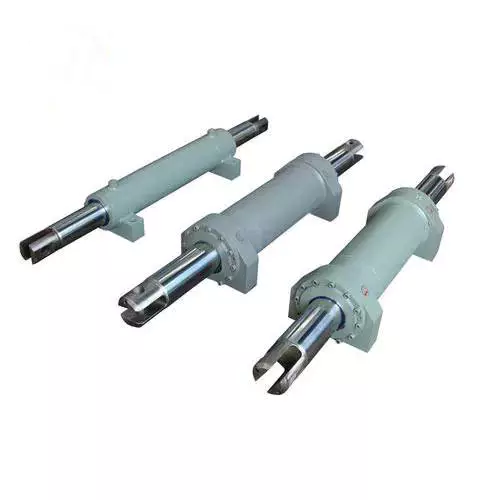
Ensuring Stable Performance of Hydraulic Cylinders Under Fluctuating Loads
Hydraulic cylinders are designed to provide stable performance even under fluctuating loads. They achieve this through various mechanisms and features that allow for efficient load control and compensation. Let’s explore how hydraulic cylinders ensure stable performance under fluctuating loads:
- Piston Design: The piston inside the hydraulic cylinder plays a crucial role in load control. It is typically equipped with seals and rings that prevent leakage of hydraulic fluid and ensure effective transfer of force. The piston design may incorporate features such as stepped or tandem pistons, which provide enhanced load-bearing capabilities and improved stability by distributing the load across multiple surfaces.
- Cylinder Cushioning: Hydraulic cylinders often incorporate cushioning mechanisms to minimize the impact and shock caused by fluctuating loads. Cushioning can be achieved through various methods, such as adjustable cushion screws, hydraulic cushioning valves, or elastomeric cushioning rings. These mechanisms slow down the piston’s movement near the end of the stroke, reducing the impact and preventing sudden stops that could lead to instability.
- Pressure Compensation: Fluctuating loads can result in pressure variations within the hydraulic system. To ensure stable performance, hydraulic cylinders are equipped with pressure compensation mechanisms. These mechanisms maintain a consistent pressure level in the system, regardless of load changes. Pressure compensation can be achieved through the use of pressure relief valves, compensating pistons, or pressure-compensated flow control valves.
- Flow Control: Hydraulic cylinders often incorporate flow control valves to regulate the speed of the cylinder’s movement. By controlling the flow rate of hydraulic fluid, the cylinder’s motion can be adjusted to match the changing load conditions. Flow control valves allow for smooth and controlled movement, preventing abrupt changes that could lead to instability.
- Feedback Systems: To ensure stable performance under fluctuating loads, hydraulic cylinders can be integrated with feedback systems. These systems provide real-time information on the cylinder’s position, velocity, and force. By continuously monitoring these parameters, the hydraulic system can make immediate adjustments to maintain stability and compensate for load fluctuations. Feedback systems can include position sensors, pressure sensors, or load sensors, depending on the specific application.
- Proper Sizing and Selection: Ensuring stable performance under fluctuating loads starts with proper sizing and selection of hydraulic cylinders. It is crucial to choose cylinders with appropriate bore size, rod diameter, and stroke length to match the anticipated load conditions. Oversized or undersized cylinders can lead to instability and reduced performance. Proper sizing also involves considering factors such as the required force, speed, and duty cycle of the application.
In summary, hydraulic cylinders ensure stable performance under fluctuating loads through features such as piston design, cushioning mechanisms, pressure compensation, flow control, feedback systems, and proper sizing and selection. These mechanisms and considerations allow hydraulic cylinders to provide consistent and controlled movement, even in dynamic load conditions, resulting in reliable and stable performance.
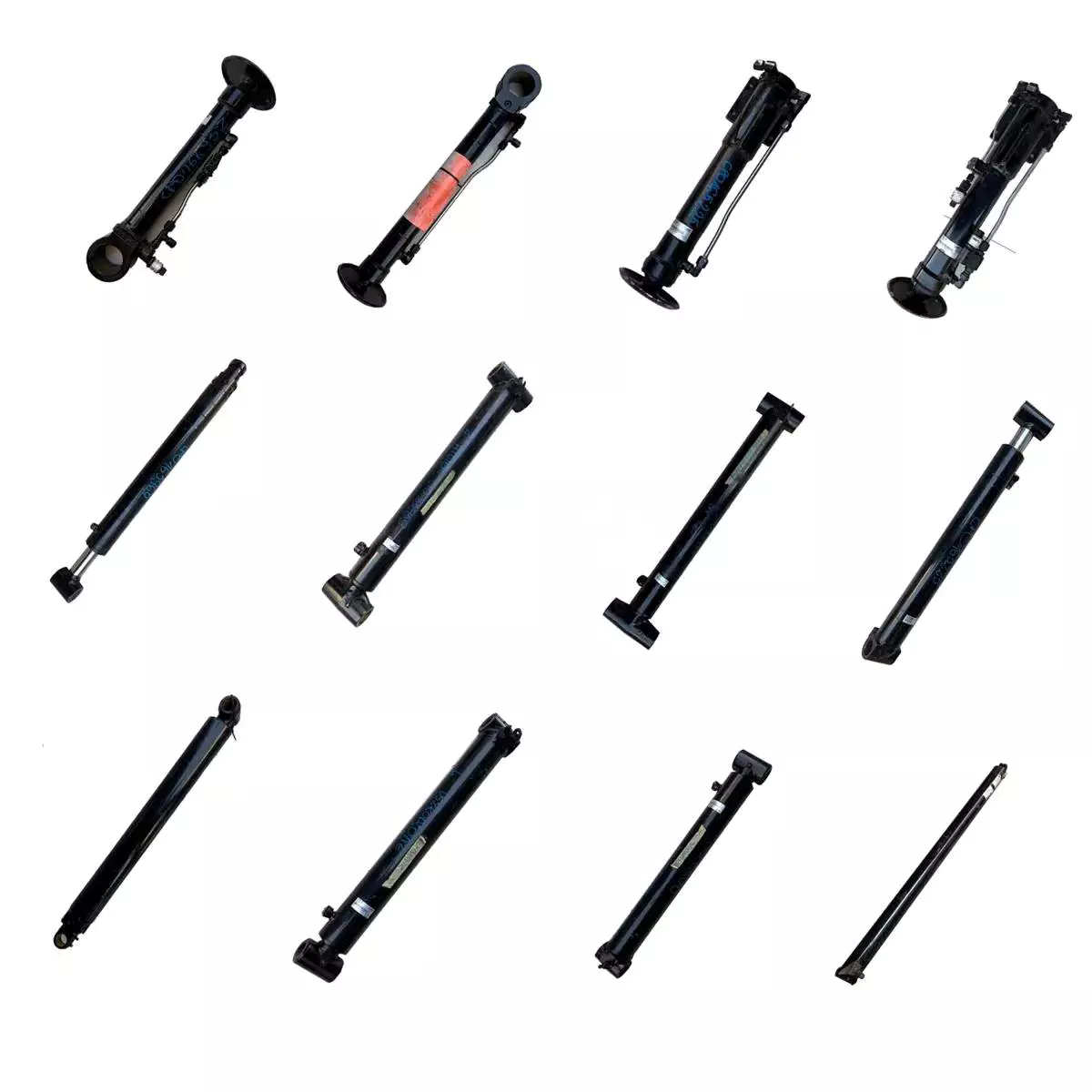
How do hydraulic cylinders handle variations in load, pressure, and speed?
Hydraulic cylinders are designed to handle variations in load, pressure, and speed effectively. They incorporate features and components that allow them to adapt to changing operating conditions and maintain optimal performance. Here’s a detailed explanation of how hydraulic cylinders handle variations in load, pressure, and speed:
Variations in Load:
– Hydraulic cylinders are capable of handling variations in load by adjusting the force they exert. The force output of a hydraulic cylinder is determined by the hydraulic pressure and the surface area of the piston. When the load increases, the pressure in the hydraulic system can be adjusted to generate a higher force. This adjustment can be achieved by regulating the flow of hydraulic fluid into the cylinder using control valves. By controlling the pressure and flow, hydraulic cylinders can adapt to different load requirements, ensuring that the force applied is sufficient to handle the load while preventing excessive force that could cause damage.
Variations in Pressure:
– Hydraulic cylinders are designed to handle variations in pressure within the hydraulic system. They are equipped with seals and other components that can withstand high-pressure conditions. When the pressure within the hydraulic system fluctuates, the hydraulic cylinder adjusts accordingly to maintain its performance. The seals prevent fluid leakage and ensure that the hydraulic pressure is effectively transmitted to the piston, allowing the cylinder to generate the required force. Additionally, hydraulic systems often incorporate pressure relief valves and other safety mechanisms to protect the cylinder and the entire system from overpressure conditions.
Variations in Speed:
– Hydraulic cylinders can handle variations in speed through the control of hydraulic fluid flow. The speed of a hydraulic cylinder’s extension or retraction is determined by the rate at which hydraulic fluid enters or exits the cylinder. By adjusting the flow rate using flow control valves, the speed of the cylinder’s movement can be regulated. This allows for precise control over the speed, enabling operators to adapt to varying speed requirements based on the specific task or load. Furthermore, hydraulic systems can incorporate flow control valves with adjustable orifice sizes to fine-tune the speed of the cylinder’s movement.
Load-Sensing Technology:
– Advanced hydraulic systems may incorporate load-sensing technology to further enhance the ability of hydraulic cylinders to handle variations in load, pressure, and speed. Load-sensing systems monitor the load demand and adjust the hydraulic pressure and flow accordingly to meet that demand. This technology ensures that the hydraulic cylinder provides the necessary force while optimizing energy efficiency. Load-sensing systems are particularly beneficial in applications where the load requirements can vary significantly, allowing hydraulic cylinders to adapt in real-time and maintain precise control over force and speed.
Accumulators:
– Hydraulic systems can also utilize accumulators to assist in handling variations in load, pressure, and speed. Accumulators store hydraulic fluid under pressure, which can be released when needed to supplement the flow and pressure in the system. When there are sudden increases in load or pressure demands, accumulators can provide additional fluid to the hydraulic cylinder, ensuring smooth operation and preventing pressure drops. Similarly, accumulators can assist in maintaining consistent speed by compensating for fluctuations in flow rate. They act as a supplemental energy source, helping hydraulic cylinders respond effectively to variations in operating conditions.
In summary, hydraulic cylinders handle variations in load, pressure, and speed through various mechanisms and components. They can adjust the force output to accommodate different load requirements by regulating hydraulic pressure. The seals and components within hydraulic cylinders allow them to withstand variations in pressure within the hydraulic system. By controlling the flow of hydraulic fluid, hydraulic cylinders can regulate the speed of their movement. Advanced technologies such as load-sensing systems and the use of accumulators further enhance the adaptability of hydraulic cylinders to changing operating conditions. These features and mechanisms enable hydraulic cylinders to maintain optimal performance and provide reliable force and motion control in a wide range of applications.


editor by CX 2024-01-16