Product Description
Feature:
Product Advantage:
1. Safer
Junfu hydraulic cylinder adopts excellent structural design and new material application, which can withstand the harshest working conditions and continue to work stably without disconnection, ensuring the safety of drivers and vehicles, and creating the most valuable safety for users.
2. faster unloading
Junfu series oil cylinder adopts excellent structural design to improve the unloading speed of the oil cylinder!
3.higher lift frequency
junfu series oil cylinders are suitable for all-weather short barge and high-frequency operations, with stable performance, extremely low failure rate, increasing the number of transfers and reducing downtime!
4. Greater adaptability to the environment
junfu series oil cylinder adopts innovative sealing technology and new material application, which can adapt to the temperature range of -40~110ºC, and can achieve excellent performance in high temperature and low temperature environment operation!
5. lighter
Compared with other products of the same series, CHINAMFG series cylinders reduce the dead weight by 15%~20%, and increase the lifting force by 10%~15%!
6. Greater lifting force
Compared with other products of the same series, the lifting force of CHINAMFG series cylinders is increased by 10%~15%. More lift, more load, more profit! Lighter dead weight, greater lifting force, more lightness!
Technical Drawing for reference
Enterprise certificate
Наш сервис
ЧАСТО ЗАДАВАЕМЫЕ ВОПРОСЫ:
Q1: How about the quality?
Our cylinders can replace HYVA cylinder well, with same technical details and mounting sizes
Q2: What’s your cylinder’s advantages ?
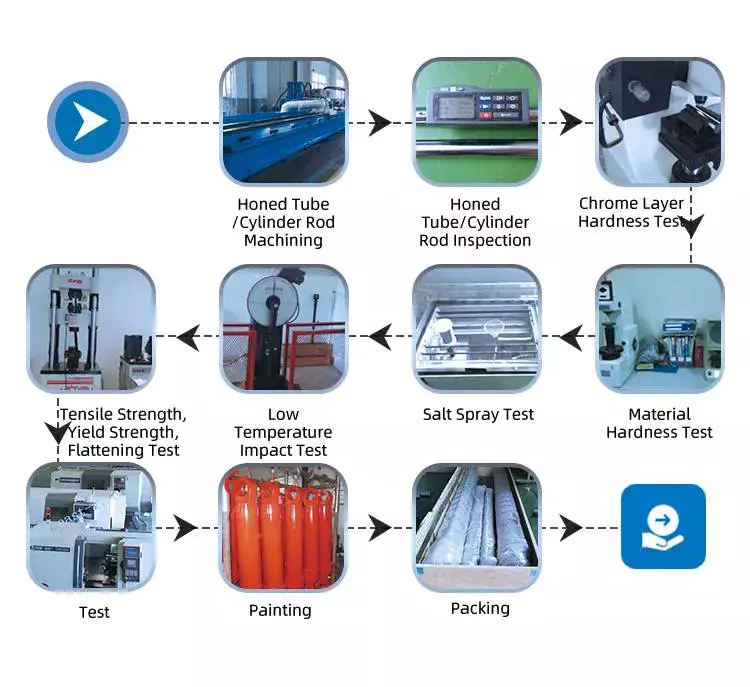
The cylinders are manufactured by advanced equipments and made under strictly quality control processing.
The steel is tempered and all raw materials are good quality from world famous companies.
Competitive price!
Q3: When your company be established ?
Our company be established in 2002, professional manufacturer of hydraulic cylinders more than 20 years.
We had passed IATF 16949:2016 Quality control system, ISO9001, CE.
Q4: How about the delivery time ?
It depends the specs and quantity you buy, 1 month is no problem normally
Q5: How about the cylinder’s quality gurantee ?
One year.
| Certification: | GS, CE, ISO9001, IATF 16949:2016, SGS |
|---|---|
| Pressure: | High Pressure |
| Work Temperature: | Normal Temperature |
| Acting Way: | Single Acting |
| Working Method: | Straight Trip |
| Adjusted Form: | Switching Type |
| Samples: |
US$ 690/Piece
1 Piece(Min.Order) | |
|---|
| Customization: |
Available
|
|
|---|
How do hydraulic cylinders handle variations in temperature and harsh operating environments?
Hydraulic cylinders are designed to handle variations in temperature and harsh operating environments by incorporating specific features and materials that ensure their durability, reliability, and performance. The ability of hydraulic cylinders to withstand extreme temperatures, corrosive environments, and other harsh conditions is crucial for their successful operation in a wide range of applications. Here’s a detailed explanation of how hydraulic cylinders handle variations in temperature and harsh operating environments:
1. Temperature Range:
– Hydraulic cylinders are designed to operate within a specified temperature range. The materials used in their construction, such as cylinder barrels, pistons, seals, and lubricants, are selected to withstand the anticipated temperature variations. Specialized seals and O-rings made from materials like nitrile, Viton, or polyurethane are used to maintain their sealing properties over a wide temperature range. Heat-resistant coatings or thermal insulation may be applied to certain components to protect them from high temperatures.
2. Thermal Expansion:
– Hydraulic cylinders are designed to accommodate thermal expansion and contraction that occurs with temperature changes. The materials used in their construction have different coefficients of thermal expansion, allowing the cylinder components to expand or contract at a similar rate. This design consideration prevents excessive stress, binding, or leakage that could result from thermal expansion or contraction.
3. Heat Dissipation:
– In applications where hydraulic cylinders are subjected to high temperatures, heat dissipation mechanisms are employed to prevent overheating. Cooling fins or heat sinks may be incorporated into the cylinder design to increase the surface area for heat transfer. In some cases, external cooling methods such as air or liquid cooling systems can be used to maintain optimal operating temperatures.
4. Corrosion Resistance:
– Hydraulic cylinders used in harsh operating environments are constructed from materials that exhibit excellent corrosion resistance. Stainless steel, chrome-plated steel, or other corrosion-resistant alloys are commonly used for cylinder components exposed to corrosive substances or environments. Additionally, surface treatments such as coatings, plating, or specialized paints can provide an extra layer of protection against corrosion.
5. Sealing Systems:
– Hydraulic cylinders employ sealing systems that are specifically designed to withstand harsh operating environments. The seals used in hydraulic cylinders are selected based on their resistance to temperature extremes, chemicals, abrasion, and other environmental factors. Specialized seal designs, such as wiper seals, rod seals, or high-temperature seals, are utilized to maintain effective sealing and prevent contamination of the hydraulic fluid.
6. Lubrication:
– Proper lubrication is essential for the smooth operation and longevity of hydraulic cylinders, particularly in harsh operating environments. Lubricants are selected based on their ability to withstand high temperatures, resist oxidation, and provide effective lubrication under extreme conditions. Regular maintenance and lubrication practices ensure that the cylinder components continue to operate smoothly and reduce the effects of wear and friction.
7. Robust Construction:
– Hydraulic cylinders designed for harsh operating environments are built with robust construction techniques to withstand the rigors of such conditions. The cylinder barrels, rods, and other components are manufactured to meet strict quality and durability standards. Welded or bolted construction methods are employed to ensure the structural integrity of the cylinders. Reinforcements, such as flanges or tie rods, may be added to enhance the cylinder’s strength and resistance to external forces.
8. Environmental Protection:
– Hydraulic cylinders can be equipped with additional protective features to shield them from harsh operating environments. Protective covers, boots, or bellows can be used to prevent contaminants, debris, or moisture from entering the cylinder and compromising its performance. These protective measures help extend the service life of hydraulic cylinders in demanding conditions.
9. Compliance with Standards:
– Hydraulic cylinders manufactured for specific industries or applications often comply with industry standards or regulations related to operating temperature ranges, environmental conditions, or safety requirements. Compliance with these standards ensures that hydraulic cylinders are designed and tested to meet the specific demands of their intended operating environments.
In summary, hydraulic cylinders are designed to handle variations in temperature and harsh operating environments by incorporating suitable materials, thermal expansion considerations, heat dissipation mechanisms, corrosion-resistant components, specialized sealing systems, proper lubrication, robust construction techniques, protective features, and compliance with industry standards. These design considerations and features enable hydraulic cylinders to operate reliably and effectively in a wide range of demanding applications and environmental conditions.

Contribution of Hydraulic Cylinders to the Precision of Robotic and Automation Systems
Hydraulic cylinders play a significant role in enhancing the precision of robotic and automation systems. These systems rely on precise and controlled movements to perform various tasks with accuracy and repeatability. Let’s explore how hydraulic cylinders contribute to the precision of robotic and automation systems:
- Precise Positioning: Hydraulic cylinders enable precise positioning of robotic arms or automation components. They provide accurate control over the linear motion required for tasks such as picking, placing, and assembly. By precisely controlling the extension and retraction of the hydraulic cylinder, the system can achieve the desired position with high accuracy, ensuring precise alignment and consistent results.
- Controlled Motion: Hydraulic cylinders offer controlled and smooth motion, which is crucial for precise operation in robotic and automation systems. The flow of hydraulic fluid can be precisely regulated to control the speed and acceleration of the cylinder’s movement. This precise control allows for gentle and controlled movements, minimizing vibrations, overshooting, or jerky motions that could affect the accuracy of the system.
- Force Control: Hydraulic cylinders provide force control capabilities that contribute to precision in robotic and automation systems. By adjusting the hydraulic pressure, the force exerted by the cylinder can be precisely controlled. This is particularly valuable in applications that require delicate force-sensitive tasks, such as gripping fragile objects or performing precise force feedback during assembly or testing processes.
- Load Handling: Hydraulic cylinders are capable of handling heavy loads, allowing robotic and automation systems to manipulate and transport objects with precision. The high force capabilities of hydraulic cylinders ensure secure and stable handling of loads, minimizing the risk of slippage or imprecise positioning. This is crucial in applications where precise control over heavy objects is required, such as material handling or industrial assembly processes.
- Durability and Reliability: Hydraulic cylinders are known for their durability and reliability in demanding industrial environments. The ability to withstand repeated use, high loads, and harsh conditions ensures consistent performance over time. This reliability contributes to the precision of robotic and automation systems, as any deviation or failure in the cylinder’s movement could lead to inaccuracies or disruptions in the system’s operation.
In summary, hydraulic cylinders make significant contributions to the precision of robotic and automation systems by enabling precise positioning, controlled motion, force control, load handling, and offering durability and reliability. These capabilities ensure accurate and repeatable movements, minimize errors, and enhance the overall precision of the system. By incorporating hydraulic cylinders into robotic and automation systems, manufacturers can achieve higher levels of precision, efficiency, and productivity in various industrial applications.
Как гидравлические цилиндры справляются с изменениями нагрузки и давления во время работы?
Гидравлические цилиндры предназначены для работы в условиях изменения нагрузки и давления, что делает их универсальными и эффективными в различных областях применения. Гидравлические системы используют принцип передачи усилия через несжимаемую жидкость для создания линейного движения. Ниже приведено подробное объяснение того, как гидроцилиндры справляются с изменениями нагрузки и давления:
1. Обработка грузов:
– Гидравлические цилиндры способны выдерживать различные нагрузки, используя принцип закона Паскаля. Согласно закону Паскаля, при воздействии давления на жидкость в ограниченном пространстве оно равномерно передается во всех направлениях. В гидравлическом цилиндре сила, приложенная к поршню, создает равное усилие на штоке цилиндра. Размер поршня и создаваемое им давление определяют силу, создаваемую цилиндром. Таким образом, гидравлические цилиндры могут выдерживать широкий диапазон нагрузок, регулируя давление жидкости.
2. Компенсация давления:
– Гидравлические системы оснащены механизмами компенсации давления для компенсации колебаний давления во время работы. Клапаны компенсации давления или регуляторы часто используются для поддержания постоянного давления в гидравлической системе независимо от изменения нагрузки. Эти клапаны автоматически регулируют расход или давление, обеспечивая стабильную и контролируемую работу гидроцилиндра. Компенсируя колебания давления, гидроцилиндры могут поддерживать стабильное выходное усилие и предотвращать повреждения или нестабильность, вызванные избыточным давлением.
3. Регулирующие клапаны:
– Регулирующие клапаны играют ключевую роль в управлении изменениями давления и нагрузки во время работы гидроцилиндра. Направляющие регулирующие клапаны, такие как золотниковые или тарельчатые клапаны, управляют потоком гидравлической жидкости, поступающей в цилиндр и выходящей из него, обеспечивая точное управление выдвижением и втягиванием цилиндра. Регулируя положение регулирующего клапана, можно регулировать скорость и усилие, развиваемое гидроцилиндром, в соответствии с требованиями к нагрузке и давлению в конкретной области применения. Регулирующие клапаны позволяют эффективно управлять изменениями нагрузки и давления, обеспечивая точное управление гидравлической системой.
4. Аккумуляторы:
– Гидроаккумуляторы часто используются для компенсации колебаний давления и нагрузки. Гидроаккумуляторы хранят гидравлическую жидкость под давлением, которое может быть сброшено или отпущено по мере необходимости для компенсации резких изменений нагрузки или давления. При уменьшении нагрузки на гидроцилиндр гидроаккумулятор высвобождает накопленную жидкость для поддержания давления и предотвращения скачков. И наоборот, при увеличении нагрузки на гидроцилиндр гидроаккумулятор поглощает избыток жидкости для поддержания стабильности системы. Благодаря использованию гидроаккумуляторов гидроцилиндры могут эффективно справляться с колебаниями нагрузки и давления, обеспечивая плавную и контролируемую работу.
5. Системы обратной связи и контроля:
– Современные гидравлические системы могут включать в себя системы обратной связи и управления для мониторинга и регулировки работы гидроцилиндров в режиме реального времени. Датчики положения или давления обеспечивают обратную связь по положению цилиндра, усилию и давлению, позволяя системе управления непрерывно корректировать работу для оптимизации производительности. Эти системы могут автоматически адаптироваться к изменениям нагрузки и давления, обеспечивая точное управление и эффективную работу гидроцилиндра.
6. Проектные соображения:
– Правильный выбор конструкции, такой как выбор подходящего размера цилиндра, диаметра поршня и штока, имеет решающее значение для работы с колебаниями нагрузки и давления. Конструкция должна учитывать максимально ожидаемые нагрузки и давления, чтобы гарантировать работу гидроцилиндра в заданном диапазоне. Кроме того, выбор подходящих уплотнений, материалов и компонентов, способных выдерживать предполагаемые колебания нагрузки и давления, имеет решающее значение для обеспечения надежности и долговечности гидроцилиндра.
Используя принципы работы гидравлических систем, включая механизмы компенсации давления, регулирующие клапаны и гидроаккумуляторы, а также системы обратной связи и управления, гидроцилиндры могут эффективно справляться с изменениями нагрузки и давления во время работы. Эти особенности и конструктивные решения позволяют гидроцилиндрам адаптироваться и оптимально работать в широком диапазоне областей применения и условий эксплуатации.


editor by CX 2023-11-20