A cylinder rod can fail as a column when a long slender rod carries compression. This risk is separate from hydraulic pressure rating.
Compression Length Matters
Effective length depends on end restraint and the position at which maximum compression occurs.
Rod Diameter Strongly Affects Stiffness
Column stiffness changes rapidly with rod diameter, so diameter, material modulus and unsupported length belong in the screen.
Side Load Reduces Margin
Misaligned pins or structural deflection introduce bending. Correct the load path instead of relying on the rod as a guide.
Use Buckling as a Review Gate
When the screen approaches required load, confirm the manufacturer’s method and actual mounting geometry.
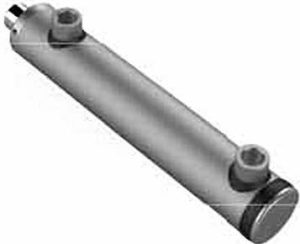
EP-KWA Series Metric Double-Acting Hydraulic Cylinder
EP-KWA metric double-acting cylinder series with bore, rod, stroke, outside diameter, length, port and weight data.
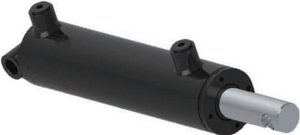
EP-WP Series 3000 PSI Welded Through-Hole Hydraulic Cylinder
EP-WP welded through-hole cylinder series with model dimensions, pressure, column-load and port data.
EP-WAC Series 3000 PSI Adjustable Clevis Hydraulic Cylinder
EP-WAC adjustable-clevis welded cylinder series with model dimensions, pressure, load and port data.
EP-TR Series 3000 PSI Tie-Rod Hydraulic Cylinder
EP-TR tie-rod hydraulic cylinder series with bore/stroke, mounting, column-load and port data.
Frequently Asked Questions
Is pressure rating enough?
No; buckling depends on load, stiffness, length and end conditions.
Does longer stroke increase risk?
Often, but actual unsupported/effective length governs.
Can a bigger rod fix side load?
The machine should still remove avoidable misalignment.
Do mountings matter?
Yes; rotational restraint changes column behavior.
What data is needed?
Rod diameter, stroke, compression load, mounting and load position.
Discuss Your Hydraulic Requirement
Send bore, stroke, mounting, pressure, ports, load and duty details. For replacements, include photos and critical measurements.