“Hydraulic ram” can mean a cylinder generally, a single-acting ram/plunger actuator, or equipment-specific terminology. Ignore the label until acting type, pressure area, return method and mounting are defined.
Single- vs Double-Acting
Single-acting actuators receive pressure in one direction and rely on gravity, spring or external load for return. Double-acting cylinders use pressure both ways.
Piston Rod vs Plunger
A conventional cylinder uses a piston and rod; a plunger actuator can apply pressure to a ram area without a full double-acting piston arrangement.
Select From Machine Function
Lifting, clamping, steering and tipping impose different load-holding, speed and mounting requirements.
Additional Hydraulic Ram Terminology Reference
For additional terminology and application context, see this hydraulic ram reference. For replacement or new-build selection, verify the actual actuator dimensions, acting type, mounting, ports and duty against the machine.
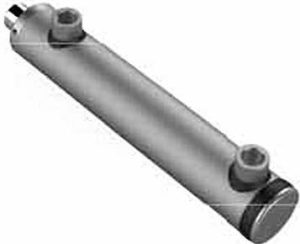
EP-KWA Series Metric Double-Acting Hydraulic Cylinder
EP-KWA metric double-acting cylinder series with bore, rod, stroke, outside diameter, length, port and weight data.
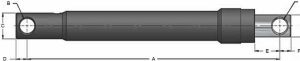
EP-SP Series Snow Plow & Utility Hydraulic Cylinder
EP-prefixed snow-plow replacement cylinder range with dimensional, port, temperature and weight data.
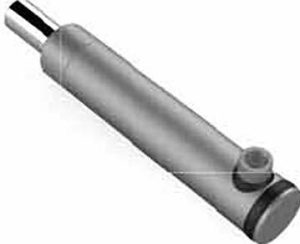
EP-KWI Series Metric Plunger Hydraulic Cylinder
EP-KWI metric plunger cylinder series with stroke, diameter, length, port and weight data.
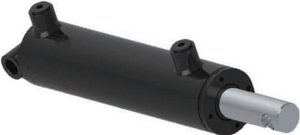
EP-WP Series 3000 PSI Welded Through-Hole Hydraulic Cylinder
EP-WP welded through-hole cylinder series with model dimensions, pressure, column-load and port data.
Frequently Asked Questions
Is ram always the same as cylinder?
No; the term is used inconsistently.
What makes single-acting different?
Pressure drives one direction; another force returns it.
Can single-acting replace double-acting?
Not without circuit redesign and machine verification.
What measurements still matter?
Stroke, closed length, pressure area, mounting and ports.
What should be verified before ordering?
Confirm acting type, stroke, closed length, pressure area, mounting, ports and operating duty against the machine.
Discuss Your Hydraulic Requirement
Send bore, stroke, mounting, pressure, ports, load and duty details. For replacements, include photos and critical measurements.